
NVIDIA RTX 50 Series Super Could Launch With Higher Power Limits and Up to 18GB VRAM
Growing leaks and industry listings continue strengthening expectations for Nvidia's RTX 50 Series Super graphics card refresh with larger memory upgrades.
Hardware by Masaru Hoshino on Jul 19, 2026
Rumors concerning Nvidia's RTX 50 Series Super graphics cards are starting to build momentum again after months of little movement. While prior expectations had pointed to a far earlier announcement, recent evidence indicates the rejuvenated lineup may well be on the way.
Recent advances, as well as increasing speculation of greater power restrictions, larger memory capacity, and shifting market conditions, have led to renewed talk about what Nvidia's next move could be.
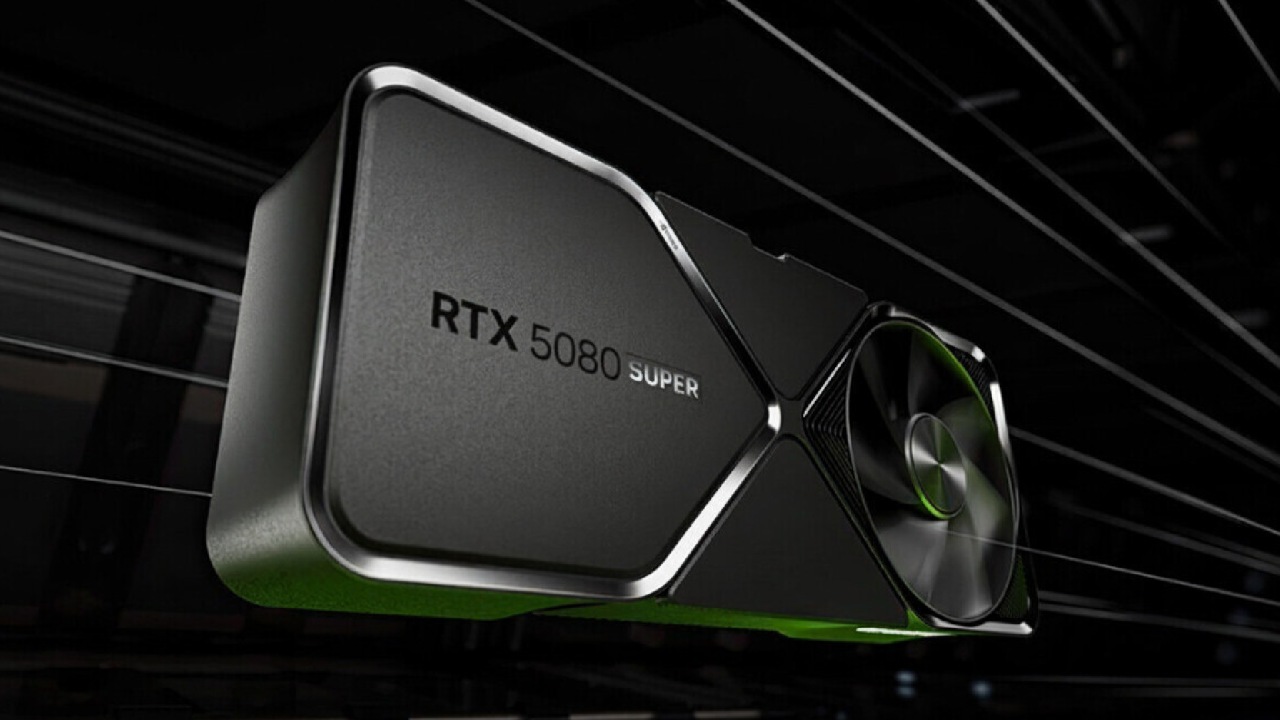
Seasonic Adds More Fuel to the RTX 50 Series Super Rumors
Interesting news surfaced this week, as it looks as though the RTX 50 Series Super graphics card refresh might actually be happening. The original expectation was that the Super lineup would be announced at CES earlier this year, but that never happened. A month or so ago, leaks suggested that the refresh was still alive, and now, evidence has appeared from one of the most unexpected places.
Seasonic, the well-known power supply manufacturer, has reportedly added entries for RTX 50 Series Super graphics cards into its PSU wattage calculator. While this is not an official NVIDIA confirmation, it certainly adds fuel to the speculation that these graphics cards are indeed on the way.
Those listings indicate the RTX 5080 Super will have a 415W TDP, which is approximately a 15% increase over the original. Meanwhile, the RTX 5070 Ti Super reportedly features a 17% increase in TDP, while the RTX 5070 Super is listed at 275W TDP, approximately 10% higher than the standard version.
Higher Power Limits Could Unlock More Performance
The higher power figures actually make a great deal of sense. One of the biggest observations from reviewing the RTX 50 Series was that the architecture offered a healthy amount of overclocking headroom. Naturally, increasing the available power allows those higher clock speeds to be sustained more effectively.
That could ultimately become one of the defining characteristics of the Super refresh. Rather than relying solely on architectural changes, Nvidia may simply be giving these GPUs additional power headroom to extract more performance from existing silicon.
Bigger Memory Could Be the Most Important Upgrade
The more exciting possibility involves memory capacity. The expectation is not that Nvidia will increase the physical number of memory modules. Instead, the company could transition from existing 2GB memory modules to newer 3GB modules with higher density.
That simple change would dramatically increase VRAM capacities across the lineup. For example, a standard 12GB RTX 5070 could potentially become an 18GB RTX 5070 Super. While that may sound almost excessive today, additional VRAM has become increasingly valuable as modern games continue demanding more memory.
The Delayed Timing Still Raises Questions
The timing of these products is particularly interesting. Many expected the refresh to launch much earlier, with rumors initially pointing toward spring following CES. Instead, current speculation places these products somewhere in 2027. That also means the refresh would arrive roughly two years after the original RTX 50 Series launched.
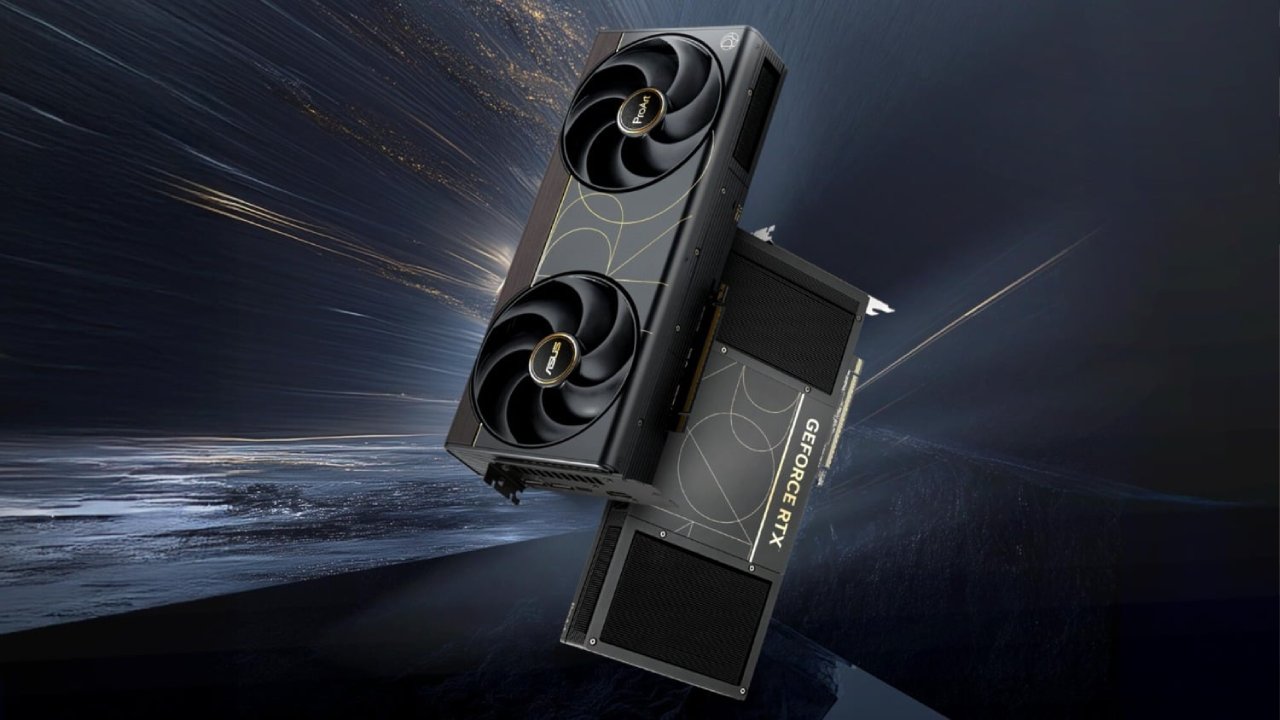
Looking at the broader roadmap, that naturally raises questions about Nvidia's next true generation of consumer graphics cards. You would normally expect entirely new Nvidia GPUs to appear by then. Still, if the RTX 50 Series Super occupies that window, the RTX 60 Series may not arrive until even later, possibly extending into 2028.
There is also little urgency from a performance standpoint. The RTX 40 Series has aged remarkably well, while the RTX 50 Series has also held up strongly. Even though the RTX 40 architecture is approaching 4 years old, it continues to deliver competitive gaming performance.
Memory Prices Continue Complicating the GPU Market
One major challenge remains memory pricing. RAM prices remain extremely high, yet modern games continue to be developed around hardware specifications established when memory was far less expensive. The PlayStation 5 and Xbox Series X both launched with 16GB of memory. Had manufacturers known how costly memory would become, those design decisions may have looked quite different.
That leaves PC graphics cards in a difficult position. Comfortable gaming increasingly benefits from at least 10 GB of VRAM, yet providing that capacity has become significantly more expensive. As a result, the upcoming Super cards may not arrive at particularly affordable prices, even if they offer substantially larger memory pools.
NVIDIA May Prefer a Refresh Over an Entirely New Generation
Given the current market conditions, releasing refreshed products rather than an entirely new architecture makes a lot of sense. If NVIDIA does not yet have its next-generation consumer GPUs ready, introducing improved RTX 50 Series Super models helps keep the product lineup competitive. AMD may also pursue similar refreshes, although nothing has been confirmed. At the same time, this strategy inevitably pushes truly next-generation graphics technologies further into the future.
Even New GPU Launches Feel Unusual Now
The graphics card market has reached an unusual point where entirely new products almost feel unexpected. With rising component costs, much of the industry's discussion has centered around older GPUs, re-releases, and extended product lifecycles rather than completely new hardware.
Because of that, every new product announcement almost comes with the question: What is the catch? The obvious answer is pricing.
Current GPU Pricing Remains Surprisingly Inconsistent
The pricing situation across the graphics card market remains remarkably inconsistent. Entry-level GPUs have not experienced the dramatic price increases many expected. The prices for RTX 5060 cards have been fairly consistent, while RTX 5070 cards are still available at MSRP or sometimes lower through various promotions.
Meanwhile, AMD appears to be doing fairly well in this area. The Radeon RX 9070 and RX 9070 XT are still good devices, giving solid performance at costs that are still rather fair. The RX 9070 XT performs competitively against the RTX 5070 Ti, yet the RTX 5070 Ti often approaches $1,000. That creates a strange market where pricing frequently seems disconnected from performance.
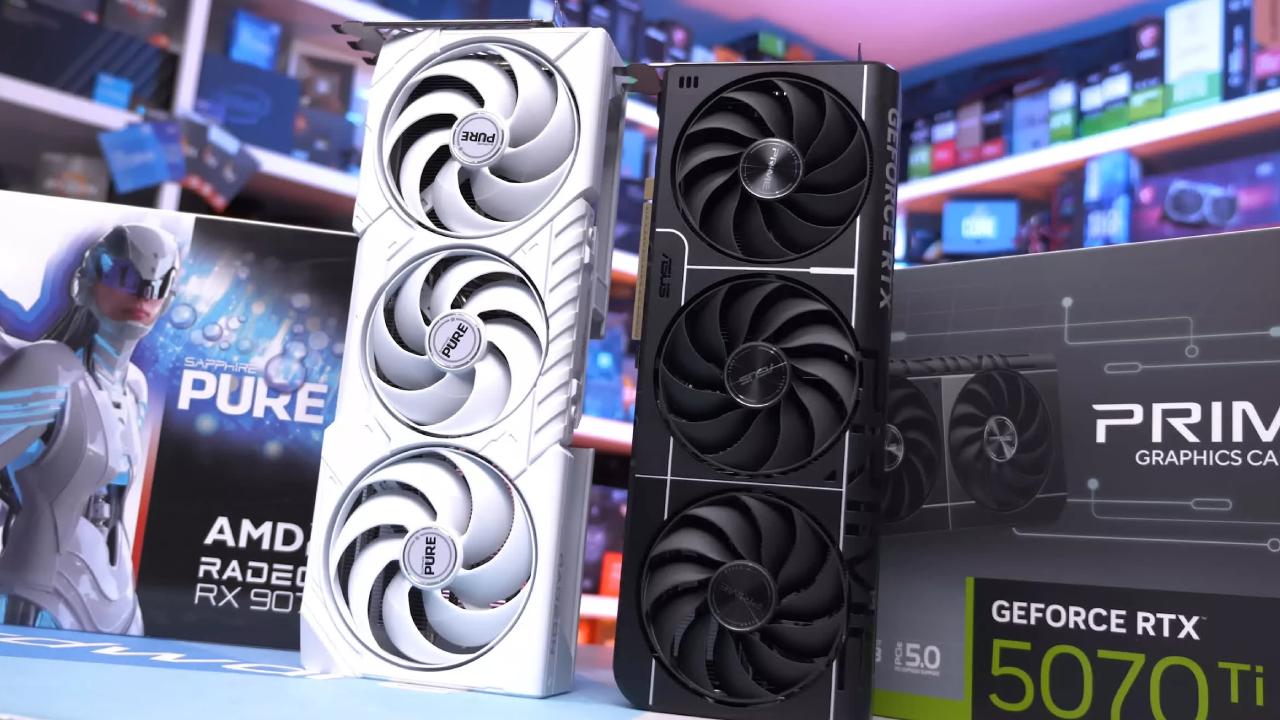
NVIDIA Must Make the Super Lineup Feel Worthwhile
The biggest challenge for Nvidia will ultimately be making the pricing make sense. If the company intends to charge noticeably higher prices than AMD, the Super models will need to offer clear value beyond modest performance improvements. Memory capacity could become that value proposition.
Moving from existing VRAM capacities to increases of roughly 50% would at least provide buyers with something tangible that extends beyond raw frame rates. That does not necessarily justify today's pricing levels, but it would certainly strengthen the overall package.
More Hardware Activity is Still Needed
There is still hope that additional NVIDIA hardware arrives before the end of the year. Beyond desktop graphics cards, there is also curiosity surrounding NVIDIA's N1 and N1X processors. The laptop variants have already appeared, but there may be additional opportunities beyond notebooks.
A compact set-top box capable of running SteamOS effectively could become an interesting direction if Nvidia chooses to expand the platform. Overall, hardware releases have been surprisingly quiet this year. AMD introduced the Radeon RX 9070 GRE, which initially looked exciting, but its pricing ultimately made existing models within the lineup more attractive purchases.
Meanwhile, memory prices remain unusually high, yet products like the RX 9070 XT still deliver 16GB of VRAM at relatively reasonable prices. There must be an explanation behind that pricing dynamic, but it remains difficult to fully understand.
For now, the growing collection of RTX 50 Series Super rumors is certainly encouraging. Whether Nvidia launches the refresh during the holiday season or waits until next year remains unknown. Either way, the company now holds the initiative, and many PC gamers are simply hoping the eventual announcement delivers something genuinely compelling after a year filled with far more bad news than good.
Editor, NoobFeed
Gaming Hardware Updates
No Data.