
Switch 2 Long-Term Review Performance Games and Features Explained
Extended use shows whether Switch 2 succeeds as both a modern home console and a capable handheld system.
Hardware by Shinji Okazaki on Dec 23, 2025
You may finally judge the Switch 2 without all the launch excitement after six months of real-world experience. The initial enthusiasm has worn off, so daily use is the actual test.
This longer ownership period makes it easier to see whether it's worth buying as a main portable console or during holiday deals.
.jpg)
A More Realistic View Over Time
A six-month review is useful since it helps you figure out what you want. Instead of responding to announcements or requirements, it becomes normal to use it. The question changes from "How exciting is it?" to "How useful is it?" How it works every day is more important than how it appeared when it came out.
Chat and social features in games
The game chat option is one of the more startling ones. Nintendo has generally stayed away from built-in voice chat because it was worried about moderation and younger players. Even if that happened in the past, game chat on Switch 2 is fully integrated and works well.
With Nvidia noise cancellation, the microphone implementation impacts how audio chat works. You can put the console a few meters away and use the TV speakers for both game sound and voice chat without getting feedback or interference. You don't need a headset, and the microphone doesn't pick up surrounding noise.
This setting makes multiplayer games smoother. Instead of dealing with headphones or separate audio, shared play becomes easy. We may talk and play the game with other people in the room at the same time. The outcome is crisp and constant, which is better than controller microphones on other consoles.
Nintendo's approach is more about reliability than achieving the best sound quality. The method operates the same way every time, which makes the built-in console chat even better.
Performance Improvements Over Switch One. Performance is another area where the difference from Switch One is evident. The jump happens right away and is easy to see. When docked, the system supports 4K60 and works well on its own while using less power.
Playing on a handheld device is just as good as playing on a docked device. There is no need to check frame pacing or resolution dips while playing games constantly. DLSS is very important for maintaining performance, as it lets you achieve stable output without using too much power.
This way of thinking may be seen in games like Metroid Prime 4. You can choose between 720p at 120 fps or 1080p at 60 fps, but both are locked. The experience stays the same, and performance no longer hinders gaming.
The goal is stability, not the best images. Frame rates remain constant, which makes the experience more immersive. This adjustment makes games feel different from moment to moment, unlike older Switch games that struggled to keep up with performance.
Limitations on Game Sharing
Game Share doesn't live up to expectations. The idea is that multiple systems will share ownership, but the execution doesn't live up to that. The streaming quality isn't always good, and the bitrate limits make it hard to use.
This capability is not dependable for players who want to share a single copy of a game across different consoles. In practice, it doesn't work well enough to be a core feature of the system.
Technology for Displays and Screens
The display size feels right for one-handed use. It has a 1080p panel that can handle 120Hz and VRR. These capabilities add more ways to play games, but only if developers use them correctly.
There is support for HDR; however, it is restricted. The brightness levels limit its usefulness, and it doesn't compare to full HDR implementations. The choice is still there, and there are still some benefits.
.jpg)
Before the launch, people were worried about the lack of an OLED model, especially those upgrading from the Switch OLED. When it comes to mobile gaming, refresh rate and performance are sometimes more important than color depth. VRR and higher frame rates are better for gaming than OLED is for scenes with a lot of movement.
There may be an OLED VRR panel in a future version, but for now, it's unlikely due to the expense and technical challenges. For now, the display works well all the time, especially when paired with a matte screen protector.
Control and Mouse Mode Options
It's easy to forget about mouse mode, yet it has a big effect on how some games feel. When you turn a Joy-Con, shooters and other games that require precision get a control scheme more like a PC input.
Games like Red Dead Redemption, Metroid Prime 4, and Cyberpunk benefit immediately. For shooters, short analog sticks make aiming harder, but mouse mode fixes that without any extra gear.
This functionality also makes it easier to use Joy-Cons when playing on the go. What seemed like a new idea at first turns out to be one of the most useful things when used in the proper genres.
Comfort and ergonomics
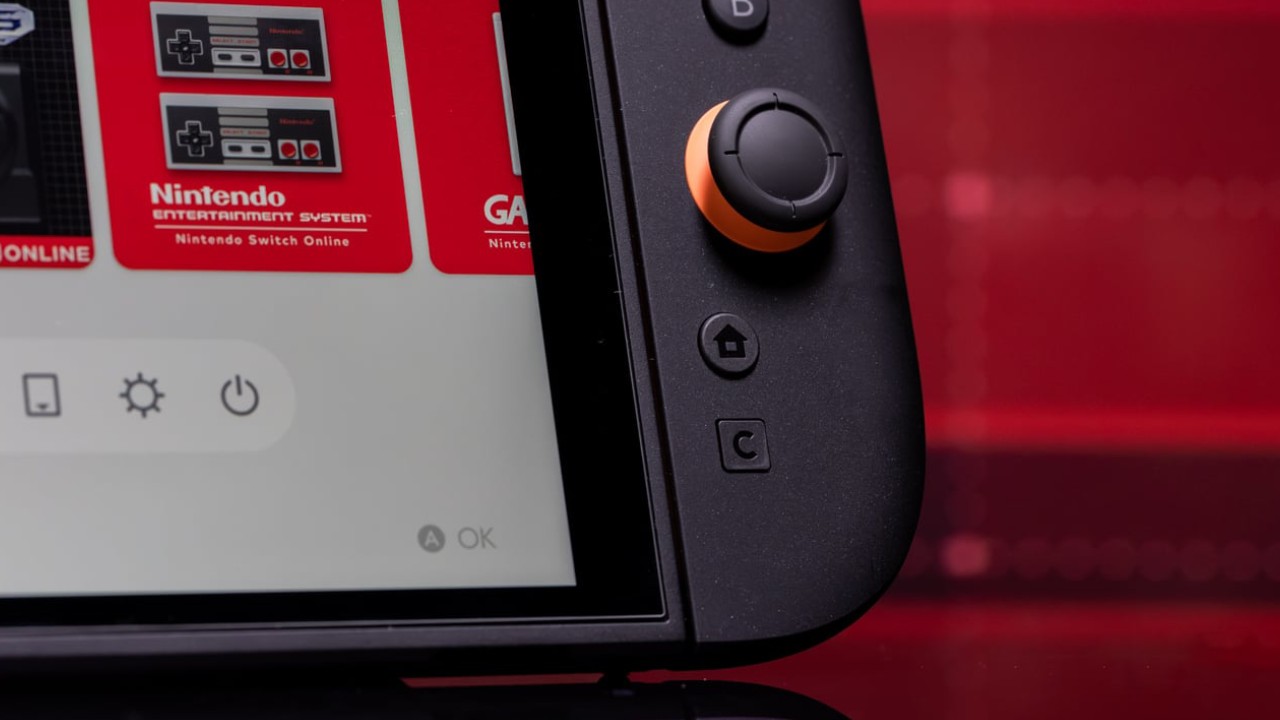
The ergonomics are better than the original Switch, although they still aren't as good as those of other handheld devices. Longer play periods reveal problems, especially with twin-stick layouts and mostly shooter games.
Over time, the thin profile and the sticks' positioning can hurt your hands. Third-party grips and Joy-Cons make things more comfortable, but the experience right out of the box is still not great for some genres.
Grip attachments and other accessories do a good job of fixing these problems, but you still need to use them. This is like the original Switch, which needed to be customized for comfort.
Docked Play and Gaming on TV
Docked play is now a possible main use case. Switch 2 has clear graphics and steady performance on a TV, unlike the final years of Switch One.
Games produced in 4K60 stay clear and maintain steady frame rates. Games like Metroid Prime 4 show that playing while docked no longer feels like a compromise.
If you're worried about how comfortable it is to play on the go, docked play solves that problem completely and shows that the system can work as a home console.
Backward Compatibility and Game Updates
Most of the Switch One library is compatible with older versions. Nintendo said early on that not every game will work, but they keep fixing problems with patches.
Most games run better even without enhancements. Uncapped titles run more smoothly, and games that used to have problems with frame rates now have steady ones.
Some games get free updates, while others let you pay for extra features or benefits through online subscriptions. Physical copies also count so that libraries can retain their value.
This method strengthens continuity rather than creating a sharp separation between generations.
Final Thoughts
The best thing about Switch 2 is that it has a lot of games. A wide range of games includes first-party titles, optimized third-party releases, games compatible with older systems, and upcoming releases.
You may play a wide range of games on one system, including family-friendly games, shooters, RPGs, and big releases. You can play games on your phone, tablet, desktop, or with a mouse, which makes them fit into your daily life in more ways.
Switch 2 is the best system for most types of games and play styles. It's easy to recommend because it performs well, is portable, and has strong software support.
If a player can choose only one console, this method offers the greatest variety of experiences without requiring any trade-offs.
Also, check our other Handheld articles below:
- ASUS ROG Ally X Handheld Review: Double the Battery, Double the Comfort
- Nintendo Switch 2 Vs. Original Switch 1: A Full Comparison
- How To Connect A Camera And Join Voice Chat With Nintendo Switch 2
- Nintendo Switch 2 Review: Handheld Performance, Features & Value Breakdown
- Lenovo Legion Go S Review: The Ultimate Steam Deck 2 Alternative
- ROG Xbox Ally X Vs. ROG Ally X: Display, Battery & Controls
- MSI Claw 8 AI+ Review: Display, Controls & Gaming
- ASUS ROG Ally X vs. Steam Deck OLED: Display, Battery & Gaming Benchmarks
Editor, NoobFeed
Gaming Hardware Updates
No Data.