

No Rest for the Wicked Guide | How to Change Your Dodge Type and Manage Gear Weight Classes
Here's a guide on how to change your dodge type and manage gear weight classes in No Rest for the Wicked.
Game Guide by Imdeadfrfr on Jun 13, 2026
No Rest for the Wicked creates an animation-driven combat terrain in which each piece of armor you put on dramatically changes your tactical responsiveness. The total weight value of your selected chest plates, helmets, gauntlets, and active armaments directly modifies your character’s ability to evade. In this system specifically, players are given unique weight classes that dictate both structural damage mitigation and the mechanical identity of your dodge.
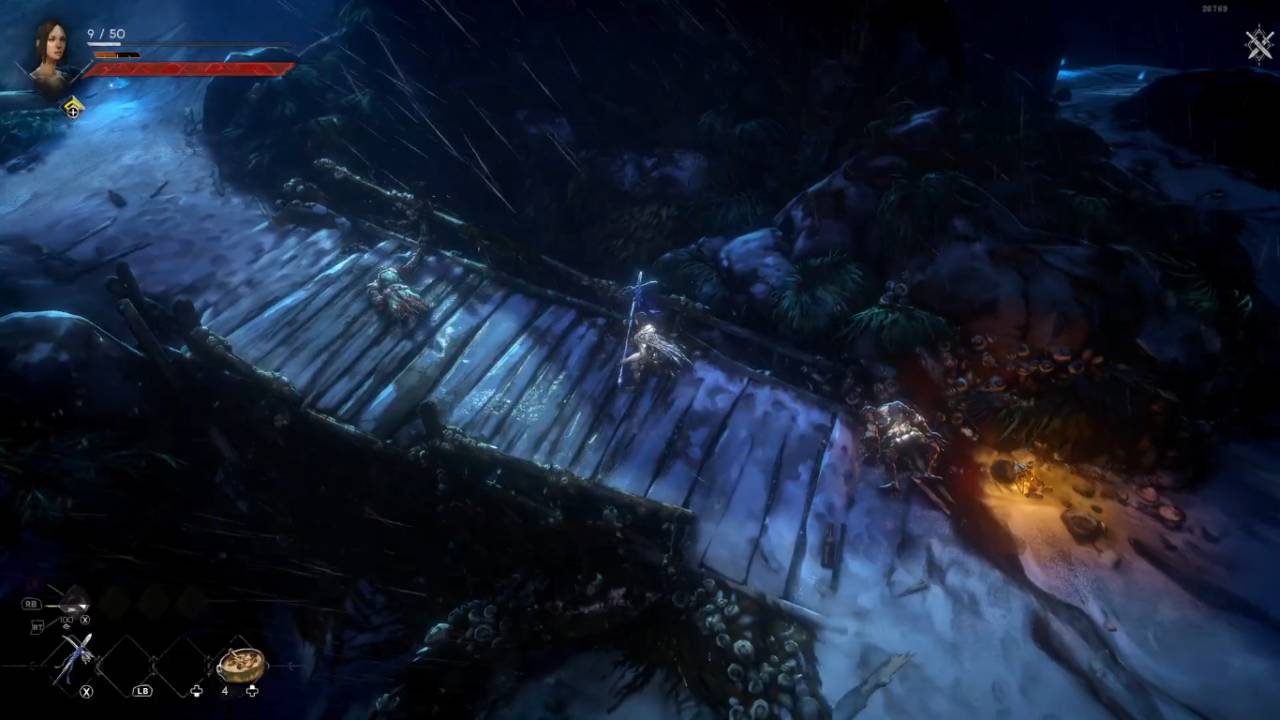
Knowing how to mess with these different thresholds is all-important to survive the hostile environments of Isola Sacra. You can't just put on the thickest metal plate armor you can find without severely hampering your speed and revolutionizing how your stamina drains in stressful brawls. The balance between your physical protection and the evasive mobility you want is the base foundation for any successful character build.
Your secondary defensive hotkey has a separate animation , invincibility window framework and stamina consumption rate that depend on your active weight class . A misestimation of your equipment load can accidentally push your nimble spellcaster into a slow movement tier just before a major boss fight. This architectural breakdown includes how to intentionally adjust your thresholds, maximize your gear selection, and master each specific dodge variation.
The Fast Weight Class Quick Step
If your character has a ridiculously low encumbrance level, they fall into the Fast weight classification, which completely replaces the standard dodge roll with a quick quick step . This fast directional dash allows your character to fly over the battlefield with very few animation frames and very low stamina costs That’s prime battlefield agility. Instantly re-position yourself amidst the mayhem of multi-enemy combat.
Fast is defined by its lightning-fast recovery windows, letting you immediately follow up a defensive reposition with an aggressive weapon combo. The quick step takes very little stamina, so a fighter with good agility can continue to dance around erratic enemy tracking patterns without completely draining their green endurance bar. This fast-paced style of movement is ideal for nimble dexterity builds like dual daggers, rapiers, and short-range bows.
However, to stay under this lightweight limit requires a very disciplined spatial awareness and exact dodging execution. Light cloth robes or thin leather wraps do very little raw physical damage reduction against heavy incoming strikes. If you miss your quick step on the exact invincibility frame window, one overhead slam from the boss can easily take your entire health bar.
It’s a very high-risk strategy, but it rewards players who can be mechanically perfect and want to go through encounters without taking a single hit. This allows you to jump across the screen almost instantly to escape huge horizontal swings. Choosing this mobility-first setup completely transforms your character into an elusive phantom that plays around positioning, not raw mitigation.
The Balanced Roll in the Normal Weight Class
Moving to the Normal weight class introduces the classic dodge roll, the most used and balanced defensive mechanic in the game. This tier provides a healthy middle ground for your character, offering moderate damage mitigation through combinations of reinforced mesh or light iron armor. The included dodge roll does a lot of physical distance and lets you completely dodge out of large area of effect elemental zones.
One of the best mechanical advantages of the classic dodge roll is the great directional flexibility and the many invincibility frames. Skilled players can easily launch themselves diagonally through horizontal swings of the blade, avoiding damage while also putting themselves directly behind an opponent. A good time to get high damage backstabs or posture-breaking heavy counter-attacks is by striking directly against an exposed enemy's back flank.
You will need to manage your stamina a bit in the Normal weight tier, as consecutive rolls will drain your green endurance meter much faster than quick steps will. You need to time your evasive maneuvers so that you have enough structural energy left to swing your active weapons. It is a very versatile and forgiving archetype that fits nicely into hybrid builds, sword and board combos, and versatile battlemages.
The mid-tier armor has a decent amount of impact deflection even if you mistime a roll, thanks to the balanced ecosystem. It’s the gold standard for players still learning the complex tracking patterns of top-tier monsters. This status in particular allows you to engage with almost every mechanic in the game without serious mobility penalties.
The Brutal Barge of the Heavyweight Division
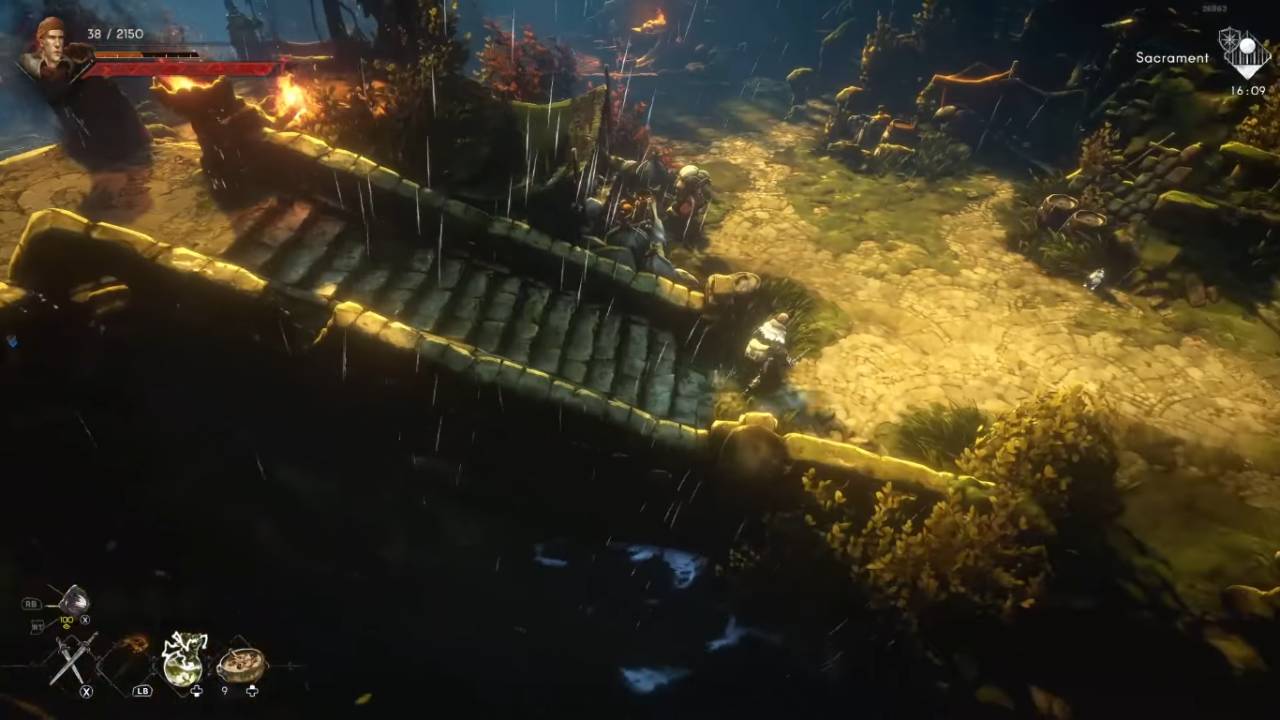
Exceeding your equipment load limits will put your character into the Heavy weight class, which will change your combat mechanics a lot. While in this slow-moving state, trying to do a normal dodge will cause you to do a very slow, stamina-intensive heavy flop or belly roll animation. This awkward recovery sequence leaves your character completely vulnerable to follow-up strikes, making traditional rolling evasion highly impractical against fast bosses.
To offset this massive loss of traditional mobility, the Heavy tier turns your dodge utility button entirely into an offensive Shoulder Barge. When pressed, evasive input results in a massive, forward-lunging physical bash using your massive body weight to forcefully disrupt enemy formations. This unique shoulder strike does a lot of posture damage and can instantly stagger elites out of their active wind-up animations.
To operate as a heavy juggernaut you have to forget about dancing around threats and just absorb or plow through incoming damage. Your insane plate armor rating gives you such good mitigation against physical attacks and such good poise that even if someone hits you with a tiny arrow or quick slash, you won’t be interrupted in your heavy weapon swing. It's a very satisfying tanky playstyle, heavily based on iron tower shields, high-impact greatmaces, and unstoppable forward momentum.
Stamina cost of actions in this tier is extremely limiting and needs to be judiciously managed in prolonged skirmishes. You need to learn to rely on your heavy shield blocking metrics or timed parries, instead of trying to escape by moving. It completely changes the pace of fights into a tactical war of attrition where you just won't be moved.
Spending Level Up Points on Equip Load
The main mechanic option to directly impact your active weight class is to invest your limited level-up stat points into the Equip Load stat. Each point you put into this critical stat increases your maximum carrying capacity threshold, which changes the effect individual gear pieces have on your overall ratio. Investing heavily in Equip Load lets you wear progressively heavier armor plates while maintaining a faster dodge classification.
For instance, a high-level character who has aggressively funded their Equip Load can comfortably wear a mix of steel plate and reinforced chainmail and still stay in the Normal weight class. This lets you have the high physical defense ratings and poise benefits of heavy armor without giving up your agile dodge roll. Fans of light armour can safely bypass this phase of stat allocation altogether and put those precious points back into pure offensive attributes.
When designing your character progression milestones, you must be exacting in your definition of the specific requirements of your endgame equipment sets. Massive greatswords and giant tower shields have very high base weight values that can instantly skew your encumbrance percentage. Keeping your Equip Load balanced with your main damage scaling stats at all times will make sure your character is mechanically optimized for all phases of the campaign.
Spreading your points too thinly across too many attributes can leave your character without baseline health or raw elemental damage scaling. I find this parameter works best when you can upgrade it incrementally, whenever you find a nice piece of armor you can't quite wear comfortably. This patient, calculated approach means that you don’t waste your precious attribute points early on your journey.
How to Obtain Weight Accessories and Enchantments
Along with the usual level up attribute points you can also change your current weight limits using special equipment modifications and accessory slots. The Feather Ring is the best early-game utility item for heavy encumbrance. It is a highly sought after accessory. This one in particular functions like classic weight-boosting artifacts, giving a huge passive reduction to your active equipment weight ratio.
To earn the Feather Ring you need to successfully navigate the ruins of Mariner’s Keep and gain full access to the capital city of Sacrament. Once you reach the bustling local marketplace find the main merchant NPC called Grinnich and see the inventory wares he has available. Buy this ring and equip it in your active jewelry slot and your character will instantly go from a heavy flop to a clean medium roll.
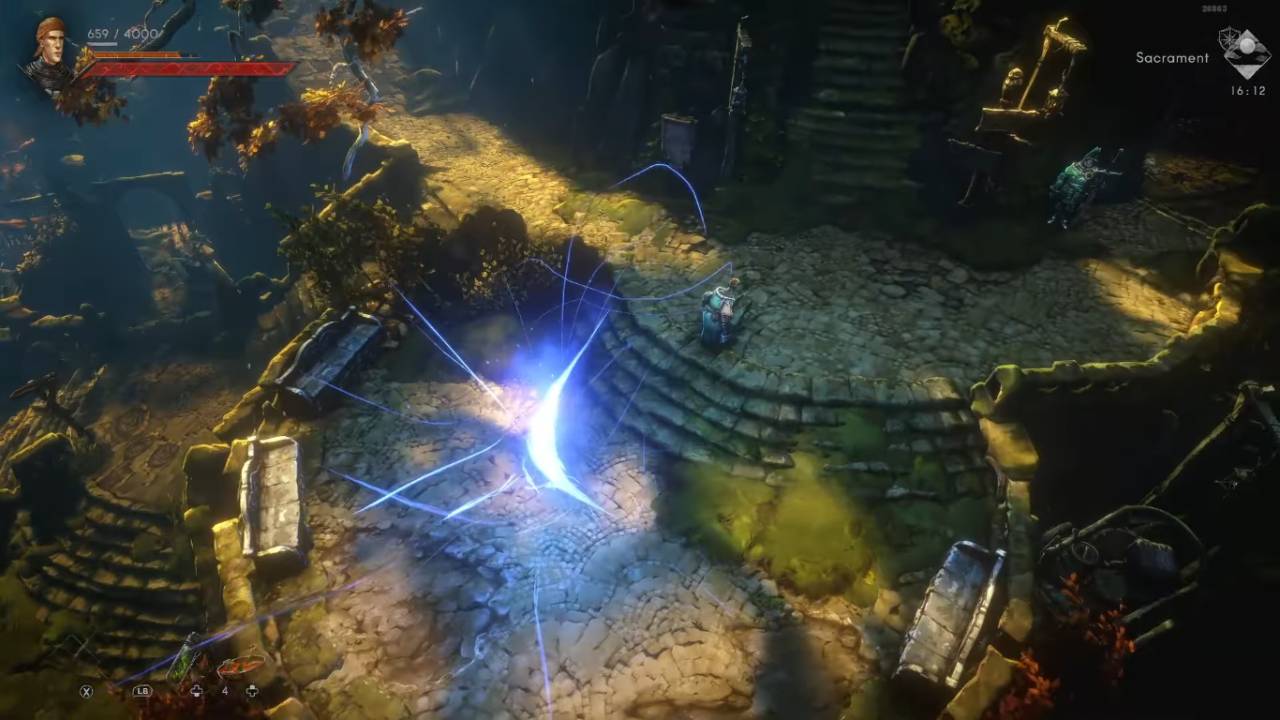
You can also visit Eleanor the Enchanter and use her arcane forge to apply advanced properties to your gear, further optimizing its weight without sacrificing precious ring slots. You have to go hunting for specific armour enchantments or passive modifiers that lower the flat weight parameters of individual pieces of equipment. You can also socket some bright yellow topaz gems or special weight changing items into your edited armor pieces to gain some extra stat bonuses to help balance out your total resource efficiency.
Another great way to fine-tune your encumbrance numbers is to mix and match different armor classifications together. You can wear a cloth hood with heavy plate greaves, for example. this hybrid approach lets you hover just below the absolute maximum threshold limit of the movement class you desire. It allows you to customize your visual aesthetic however you see fit while still delivering maximum mechanical performance.
Strategic Armor Customization for End-Game Content
The delicate art of weight management allows you to shift your combat tactics on the fly to fit the specific dangers of the various boss chambers. Some of the bigger fights have wide sweeping unblockable AOE patterns that make a slow heavy tier very difficult to handle safely. In these specific instances, falling into the Normal tier by removing one piece of heavy plate armour can immediately provide you with the mobility required to survive.
On the other hand, when you’re diving into narrow stone corridors filled with rapid-firing archers and rogue-style enemies that move fast, moving into a higher armor tier offers immense advantages. The heavy gear’s massive poise ratings means stray projectiles can’t get in the way of your slow, high-damage runic weapon combinations. If you can get used to the idea that your armor build is a flexible, mutable tactical toolbox and not a permanent limitation, it will help you become more mechanically efficient overall.
Ultimately there is no single best weight class . Each different cutoff has its own beautifully balanced set of trade-offs . The light quick step rewards absolute mechanical perfection, the medium roll offers universal versatility and the heavy barge embraces brutal frontline dominance. Experiment with different gear combinations, watch your encumbrance meters, and tailor your dodge style to your chosen weapons and you’ll be well on your way to confidently conquering the harsh world of Sacra.
When you do active field testing, pay close attention to how quickly your stamina recovers after performing various movement combinations. Striking that sweet spot between defensive mitigation and explosive kinetic agility will ultimately determine how successful your ultimate endgame build becomes. You keep adjusting your loadout as you find even more rare artifacts to stay ahead of the brutality the game throws at you.
Also, check our No Rest for the Wicked Review and other guides below:
- No Rest for the Wicked Guide | How to Beat The Riven Twins
- No Rest for the Wicked Guide | How to Beat Torn Falstead Darak
- No Rest for the Wicked Guide | How to Survive the Cerim Crucible and Farm Level 30+ Endgame Gear
- No Rest for the Wicked Guide | How to Trigger Pestilence Zones and Spawn Plague Bosses
- No Rest for the Wicked Guide | How to Farm Clay, Ore, Pine, and Rare Crafting Materials
- No Rest for the Wicked Guide | How to Find Unique and Legendary Gold-Tier Weapons
- No Rest for the Wicked Guide | How to Make a Blink Assassin Build
- No Rest for the Wicked Guide | How to Make a High-Focus Pure Mage
- No Rest for the Wicked Guide | How to Use Awakening, Corrupting, and Essence Embers to Modify Gear
- No Rest for the Wicked Guide | How to Upgrade Weapons and Armor Using Filmore and Eleanor
- No Rest for the Wicked Guide | How to Get the Best Early-Game Weapons Before Sacrament
- No Rest for the Wicked Guide | How to Make a Close-Range Brawler
- No Rest for the Wicked Guide | How to Level Up Faster
- No Rest for the Wicked Guide | How to Complete Roots That Bind
- No Rest for the Wicked Guide | How to Make a Classic Paladin Build
- No Rest for the Wicked Guide | How to Beat Warrick the Torn
- No Rest for the Wicked Guide | How to Make a Lightning Paladin Build
- No Rest for the Wicked Guide | How to Complete Faith and Flame
- No Rest for the Wicked Guide | How to Unlock All Houses
- No Rest for the Wicked Guide | How to Complete Weeping Sisters
- No Rest for the Wicked Guide | How to Complete Sacrament
- No Rest for the Wicked - The Breach Guide | Best Starting Build Tips
Editor, NoobFeed
Latest Articles
No Data.