

Gears of War E-Day Fuels New Xbox Exclusivity Debate
New reports suggest Microsoft may be rethinking its multiplatform approach, while claims of a last-minute decision surrounding Gears of War: E-Day fuel debate over Xbox’s long-term vision.
News by Sabi on Jun 12, 2026
With the recent developments, the Xbox exclusives controversy has become one of the most vehement discussions in the game industry in years. Microsoft’s long-term plan for significant first-party releases, especially established titles such as Gears of War: E-Day and Clockwork Revolution, is unclear.
New details indicate that not only will both games not be available for a limited period, but they will also be available only on the Xbox One. That distinction might look substantial on paper, but history in the game sector has shown that exclusivity plans can evolve. Many players cite Starfield as an example.
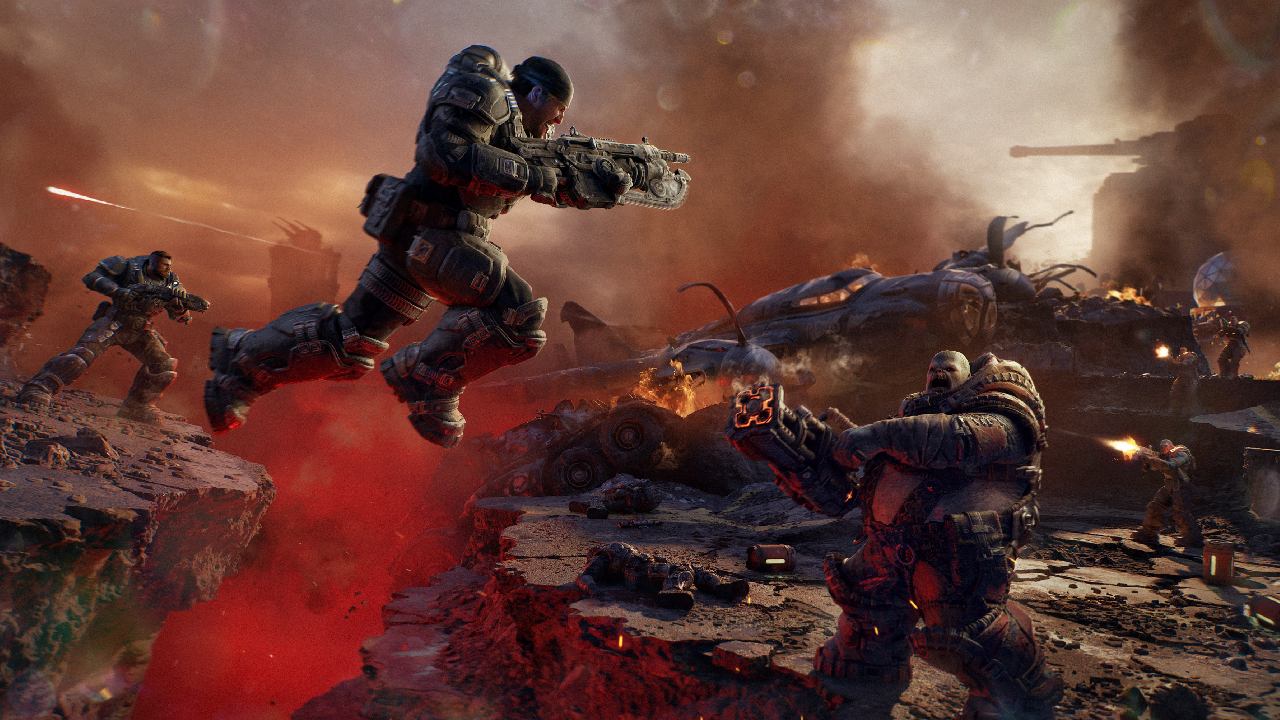
Gears of War E-Day initially believed to be a huge Xbox exclusive, but more recently there has been growing talk of bringing it to other platforms as well.
Gears of War: E-Day is where it is, but its future remains a mystery. The multiplayer aspect of the game will likely be a live service with frequent updates, premium content, and post-launch support. The campaign may still be a classic single-player option, but the game’s long-term economic plan makes me worry if exclusivity will be able to survive in the years to come.
When people discuss connected matters, fans mention Clockwork Revolution. Many people believe that because it’s a massive single-player RPG, that’s exactly the kind of game that’s normally utilized to bolster a platform’s ecosystem. The argument isn't whether Xbox should have exclusive games anymore; it's whether Microsoft should be more committed to them.
Some critics of Microsoft's present strategy have argued that limiting exclusives to only a handful of titles diminishes the overall value of the Xbox ecosystem. In the past, exclusives have been utilized to do more than only sell software. Often their primary job has been to attract people to a platform and imbue it with a distinctive personality.
Many analysts believe that the simultaneous release of first-party games on Steam already erodes some of that edge. Multiplayer games can reach more people, but single-player games often offer players stronger reasons to engage in a given environment.
And it gets even more relevant when you consider the full breadth of Microsoft. Some fans are wondering why other projects, like Spyro or Senua-related games, wouldn’t get the same treatment if Gears of War: E-Day and Clockwork Revolution are excellent enough to be exclusive. The premise is not usually that a single game can sell consoles on its own because a collection of one-of-a-kind experiences might offer a platform with a boost instead.
People who believe this often discuss the Xbox 360 era.
Titles from that generation, such as Fable II, Gears of War 2, Lost Odyssey, and Tales of Vesperia, made players see Xbox as a destination for unique gaming experiences. Not every game was a smash, but they all came together to build the app into what it is today. And many also talk a lot about when Microsoft’s plan will be carried out.
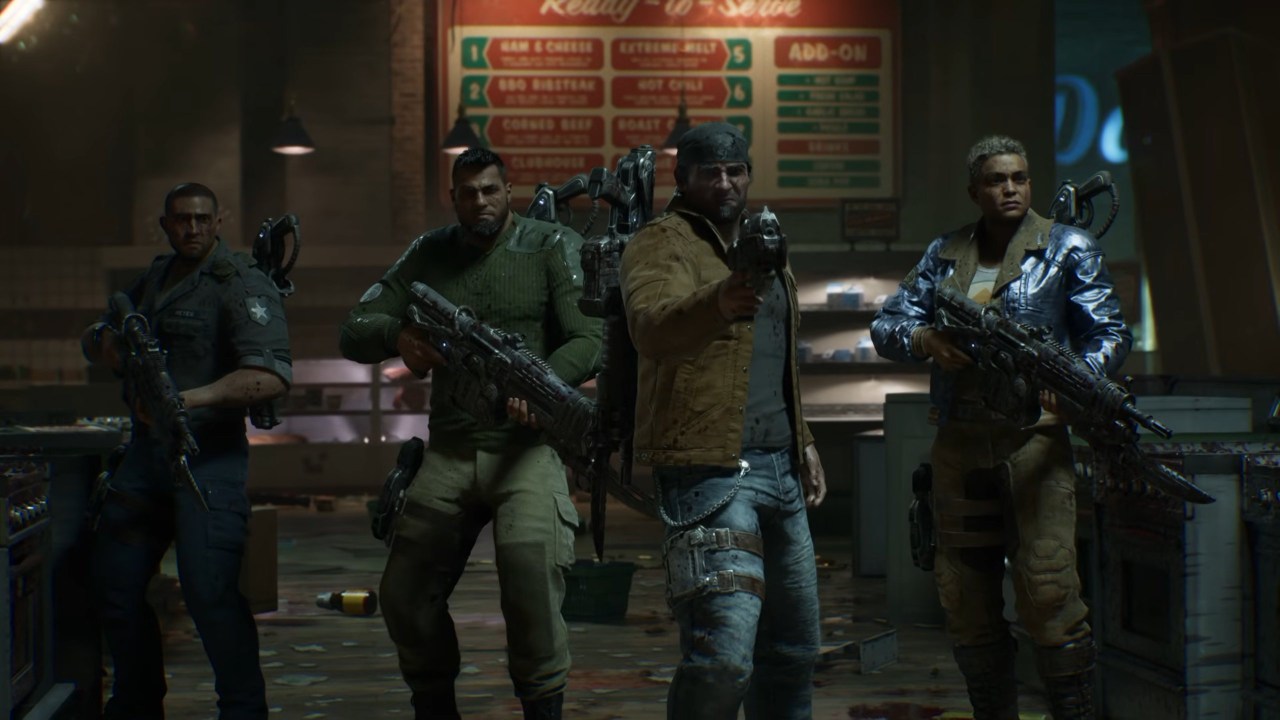
As Sony’s first-party games were expected to be rather sparse between 2024 and 2026, several observers thought the corporation had a unique potential to gain ground on PlayStation. Instead, critics believe that Xbox failed to capitalize on it, despite developing major titles such as Halo, Forza, Gears of War, and Fable. From that perspective, 2026 and early 2027 were rare opportunities to showcase a strong lineup that could attract new people to the Xbox ecosystem.
Timetables for growth are also a concern. Studios like The Coalition and Playground Games don't get to build a list of big blockbusters together all that often, with releases spaced far apart. Once these are completed, it might be a few years before another wave of first-party games like this arrives.
This has led some analysts to believe Microsoft should focus on making each major update as large as possible rather than delivering it to additional platforms right away. They say releasing games on competing platforms could dilute Xbox’s value at a time when platforms need to differentiate themselves.
Microsoft is not taking a ‘one size fits all’ approach, Xbox officials have declared.
According to reports, multiplayer, live-service games are expected to remain multi-platform. Single-player projects, on the other hand, will be viewed in a vacuum. That’s consistent with broader trends in the sector. Live service games work better with more players; thus, from both business and gameplay perspectives, multi-platform versions are more attractive.
Single-player games, on the other hand, are typically used to market systems and develop brands. But it’s still hard to determine what the long-term impacts will be. As far as exclusivity, big games like The Elder Scrolls VI won't be available for years, so it's purely speculation. Microsoft’s plans may have changed more than once by the time Bethesda's next fantasy epic is released.
There’s also uncertainty about other prospective projects, such as Marvel’s Blade and future games from Bethesda-owned studios. Many of these games are years away from release, so individuals who follow the company understand that plans made today may not align with reality tomorrow.
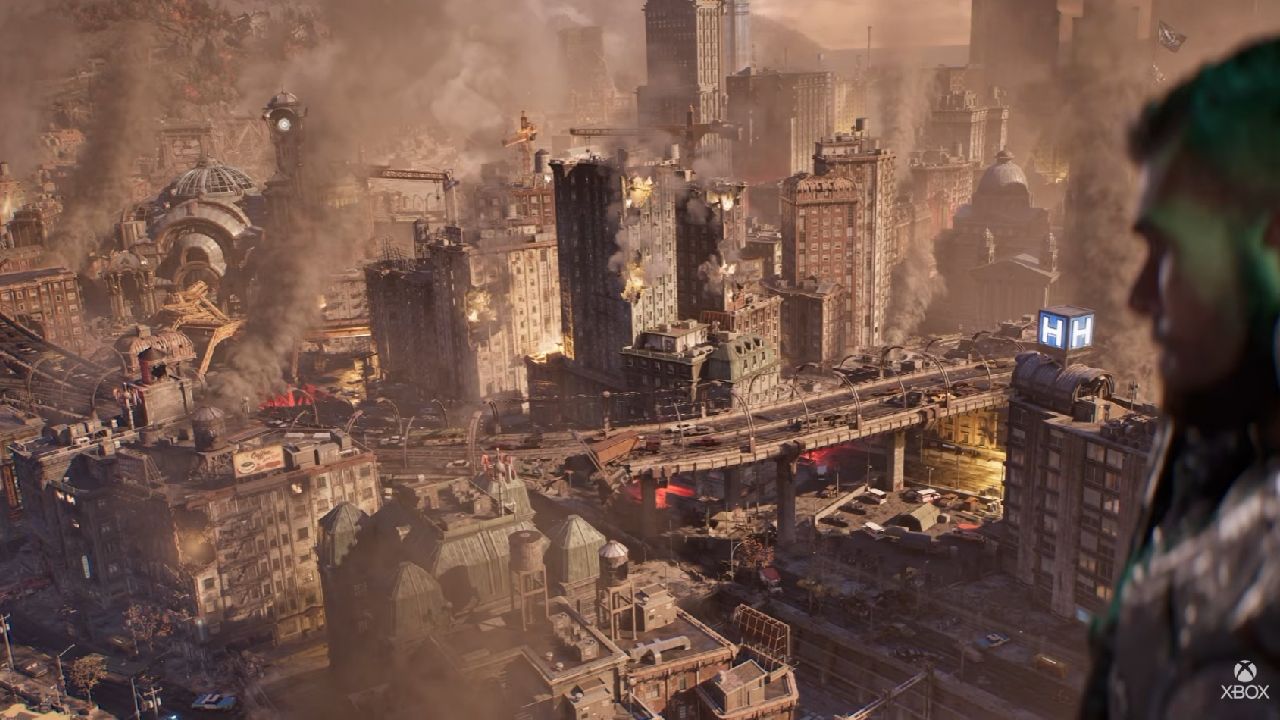
It’s similar to times when Microsoft’s messaging shifted. Historically, comments on exclusivity have been shaped by market conditions, company objectives, and platform plans. But the news of Gears of War: E-Day itself is maybe the most exciting move. Industry insider Jeff Grubb reportedly revealed a PlayStation version of the game was halfway finished but sitting on the shelf.
This hints that a release on Sony’s platform might have been in the cards at some point. To pour gasoline on the fire, statements from gaming-industry artist Cartel Del suggest that even some Xbox employees were astonished when news broke that Gears of War: E-Day would be an Xbox exclusive.
If true, the statements suggest a key strategic option is being taken very late in development.
Some supporters praised the result, but the procedure that led to the decision has created problems of its own. Those who observe say that hearing what the community has to say is not inherently harmful. Many people do believe that game designers should communicate with their customers. Are vital company decisions made by long-term strategies or knee-jerk reactions to talks on social media?
The talk about Xbox exclusives isn’t going anywhere anytime soon. Gears of War: E-Day has become a rallying cry for a larger conversation about what a platform is, how to grow an audience, and Microsoft’s future in the console space.
Exclusivity is the right thing to do, some people think, and it might help Xbox in the long run. Others argue the company's multi-platform aspirations are a better approach to move forward. Adding to the ongoing discussion is the fact that future initiatives are not yet apparent.
What is known is that the launch of Gears of War: E-Day will be widely observed. Sales figures, engagement on Game Pass, player numbers, how they perform on Steam – these are all important metrics we’ll be watching to see if exclusivity still holds genuine worth in today’s gaming landscape.
Social media, the game industry, and the gaming communities will continue to discuss the Xbox approach until the numbers are in. Gears of War: E-Day might come out, and they might chat even more than they do now.
Staff Writer, NoobFeed
Related News
No Data.