
DLSS 4.5 and MFG6: NVIDIA’s AI Frame Generation Strategy Expands in 2026
NVIDIA Officially Confirms Dynamic Multi-Frame Generation and 6x Mode for April 2026 Release.
Hardware by Tanisha Aria on Feb 16, 2026
NVIDIA has revealed that Dynamic Multi-Frame Generation and Multi-Frame Generation 6x mode will be available in April 2026. Reports say the new MFG6 mode can use AI-generated frames to deliver a 6x boost.
The headline numbers may sound amazing, but the real question is how this technology will work in real-life gaming situations and whether it actually makes the experience better or just makes the numbers look better.
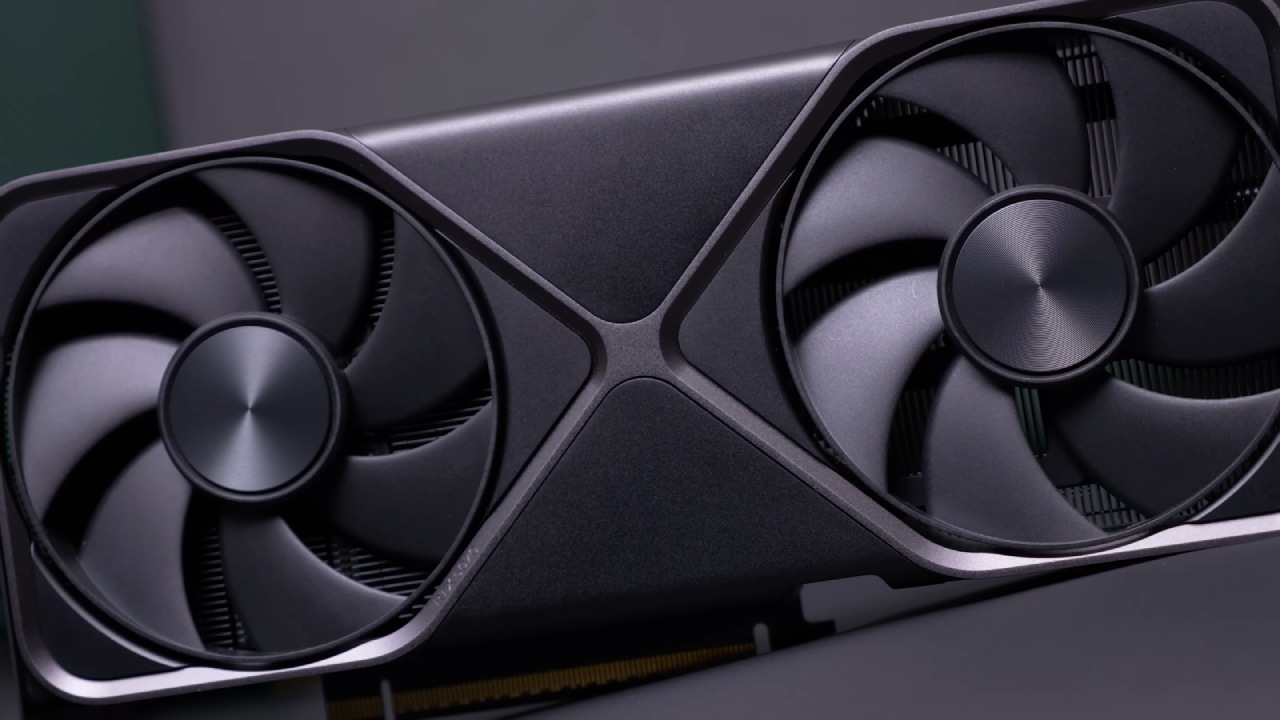
What MFG6 Actually Brings to the Table
The goal of dynamic multi-frame generation is to determine which MFG multiplier is required by considering the upscaler's input frame rate and the display's refresh rate. In theory, this means the system can add only as many AI-generated frames as needed to fill the screen.
Instead of pushing hundreds of fake frames without thinking, it aims to scale generation in a way that makes sense for each case.
In some situations, the GPU could make five AI frames for every real frame when MFG6 is used. At first glance, that might sound like too much. When you hear numbers like 400 fps that are mostly made up by interpolation, it makes you wonder about the quality of the images and how quickly the controls respond.
Even so, MFG6 is not seen as the end goal. It's just making Multi-Frame Generation work longer. The main thing to pay attention to is Dynamic MFG, which changes the ratio as needed.
Software vs. Hardware Paradox
A strange paradox is taking shape. NVIDIA seems to be putting a lot of effort into the software side. Still, GPU availability and hardware progress aren't feeling as strong. At the same time, Radeon continues to produce competitive graphics processing units (GPUs).
Still, it often struggles to keep up with NVIDIA's software ecosystem support. Upscaling to DLSS 4.5 has already been demonstrated, but frame generation remains the most important part of the plan.
When upscaling, the GPU still has to figure out some pixels—in some cases, about a third of them. Frame generation is not the same. For some of those inserted frames, it doesn't have to process full frames the way it usually does. This idea is taken even further in MFG6.
How Dynamic MFG Is Supposed to Work
Dynamic MFG claims to be able to adjust the frame generation factor based on your screen's refresh rate and how well it is working right now. If your monitor runs at 360Hz, the system should figure out how many frames need to be generated to hit or stay at that ceiling without going too high.
This would work best as a "top-off" method. If our games' top frame rate is 160fps in 4K and performance drops to 140fps in a tough scene, Dynamic MFG could add just the right number of frames to keep the smoothness close to 160fps.
It makes sense to use that method to clean edges. It keeps us from having to lower the native frame rate on purpose just so AI-generated frames can make the final output look better.
It's not yet clear whether the approach will be granular or tier-based. It might feel strange if it jumps around between set multipliers like 2x, 3x, 4x, or 5x. Instead of stepping quickly between rigid tiers, it should be able to grow smoothly, maybe 1.1x, 1.2x, and all the way up to 6x if needed.
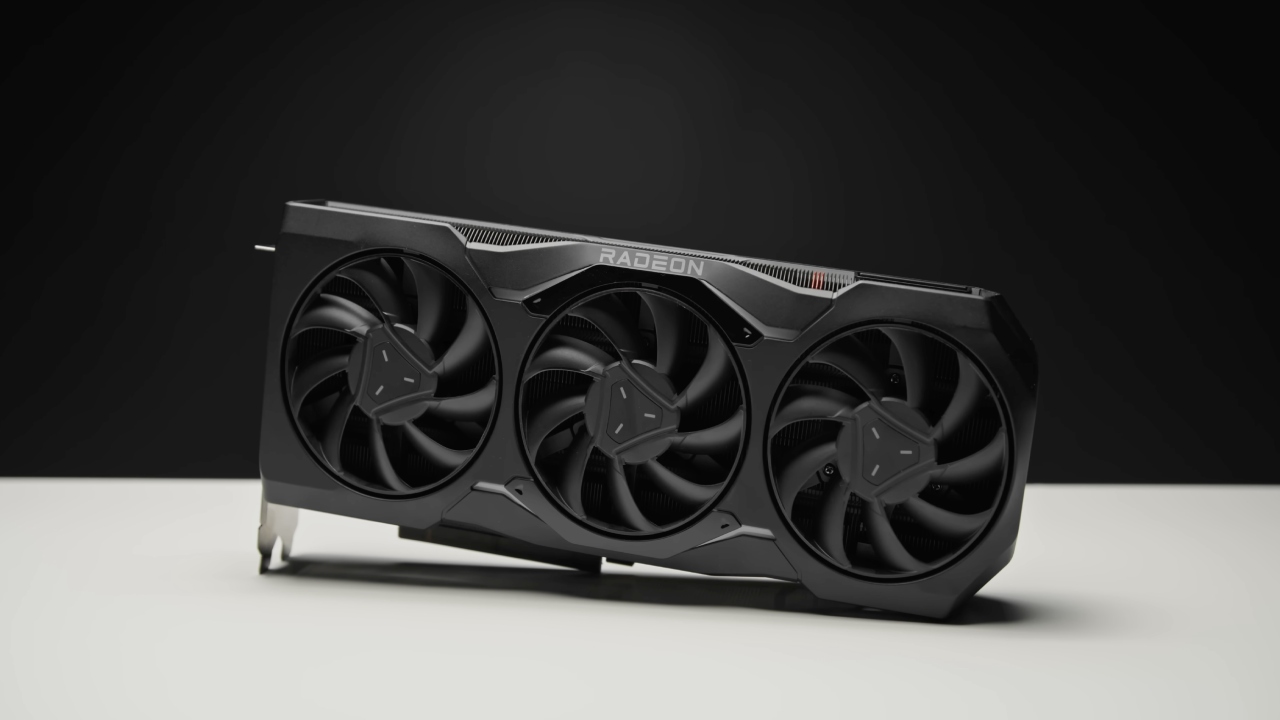
Concerns About Visual Quality
There are still major quality issues. NVIDIA's version renders the entire frame, including the user interface. AMD, on the other hand, has done something different. To avoid the most obvious artifacting, they keep fully rendered UI elements separate. UI warping and artifacting can be easier to see when the whole frame is made by AI.
We need to see many tests run on this device. During games, if the multiplier changes dynamically, like going from 240fps to 180fps during an explosion and then making up for it with frame generation, the change must be smooth. If not, players might see strange things or have trouble following the action.
At some point, making five AI frames for every real frame starts to look fake. Even if the action looks smooth in numbers, the scene may not make sense visually. On a more philosophical level, if a system relies on a base 60fps native render to power a 240hz or 360hz monitor through heavy interpolation, does that make those high-refresh screens less useful?
Practical Use Case Question
Who is MFG6 really for? It doesn't make sense for a 360 Hz monitor to run a game at 60 fps, multiplied by the panel's refresh rate. If the experience is already low, increasing the output may not give you the responsiveness you'd expect from high-end tools.
So, a modest use case, like reducing small drops in frame rate from 160 fps to 140 fps, makes more sense. That's why Dynamic MFG is more of an improvement tool than a crutch. Instead of redefining the whole rendering process around interpolation, it smooths out the edges.
Final Thoughts
MFG6 might not be the real invention on its own. The real progress is in Dynamic Multi-Frame Generation and how effectively it adapts over time. If all it does is boost numbers by adding fake frames, then skepticism is still valid. If it really smooths out small changes in speed without affecting image quality or the time it takes to enter commands, we might actually use it.
In the end, performance is what matters. The idea is interesting, but it won't be known until thorough testing if Dynamic MFG really makes progress or is just a new way to sell higher frame rates.
Also, check our other hardware articles:
- AMD Ryzen 9 9950X3D Review: Setting The Standard For 2025 Gaming CPU
- Amazon Luna 2025 Review: Is Prime Gaming's Cloud Service Your Go-To For Casual Fun?
- AMD RX 9070 XT Review: AMD's RDNA 4 Champion for 1440p Gaming
- GeForce Now Ultimate: Ditching Your Gaming PC For Cloud RTX 4080 Power?
- NVIDIA GeForce RTX 5080 Review (2025): Still A 4K Gaming Powerhouse?
- Intel Core Ultra 9 285K Review And Performance Breakdown (2025)
- AMD Ryzen 7 9800X3D Review: 3D V-Cache Goes God Mode with Stunning Gaming Performance
- Intel Core Ultra 9 285K vs AMD Ryzen 7 9800X3D: In-Depth Gaming Performance and Benchmark Comparison
- NVIDIA GeForce RTX 5080 Super Performance In Cyberpunk 2077: Path Tracing & DLSS 4.0 Tested
- AMD Radeon RX 9070 XT In Cyberpunk 2077: Ray Tracing & FSR 4.0 Tested
- Intel Arc B580 Review: The $250 GPU Revolutionizing 1440p Gaming
- Intel Arc B570 Vs. B580: Value, Specs, And Real-World Gaming Performance
- RTX 5090 Laptop Vs. M4 Max MacBook Pro: Ultimate Raw Performance Vs. Battery Endurance
- Intel Arc b580 Vs. RTX 4060: Game Performance And Value Analysis
- RTX5090 Hell Is Us Demo 4K Ultra Benchmark: DLSS Vs. Native Performance Guide
- NVIDIA RTX 5070 Review: Mid-Range Muscle or Marketing Hype?
- Nintendo Switch 2 Review: Handheld Performance, Features & Value Breakdown
- RTX 5070 Ti Review: Performance, Thermals & Power Efficiency Tested
- Samsung Odyssey OLED G81SF Review 2025: Ultimate 32-Inch QD-OLED Gaming Monitor
- AMD RX 9070 Performance Review: Thermals, Clocks, and Real-World FPS
- AMD Ryzen 5 7600 Review: Best Budget Gaming CPU of 2025?
- AMD Radeon RX 7800 XT Review: RDNA 3 Power For Midrange Gaming
- Asus ROG RTX 5090 Astral OC Vs. Founders Edition: The 4K Gaming Benchmark
Contributor, NoobFeed
Gaming Hardware Updates
No Data.