
PlayStation 6 Could Deliver 3x Raster Performance
PlayStation 6 could deliver major raster performance gains while directing additional hardware power toward ray tracing and machine learning.
PlayStation by Nahe Yan on Sep 21, 2026
New rumors are circulating about the PlayStation 6's specs and performance. They mention its GPU architecture, clock speeds, compute performance, teraflops, and potential improvements over the PlayStation 5. One rumor suggests the next-generation system could have up to 80 teraflops.
However, teraflops don't directly affect how well games run or how fast they load. PlayStation 6 specs and performance remain unconfirmed because no benchmarks are available yet. RDNA5 isn't out yet, even on PC, and the PlayStation 6 isn't available. Few leaks have provided console benchmarks.
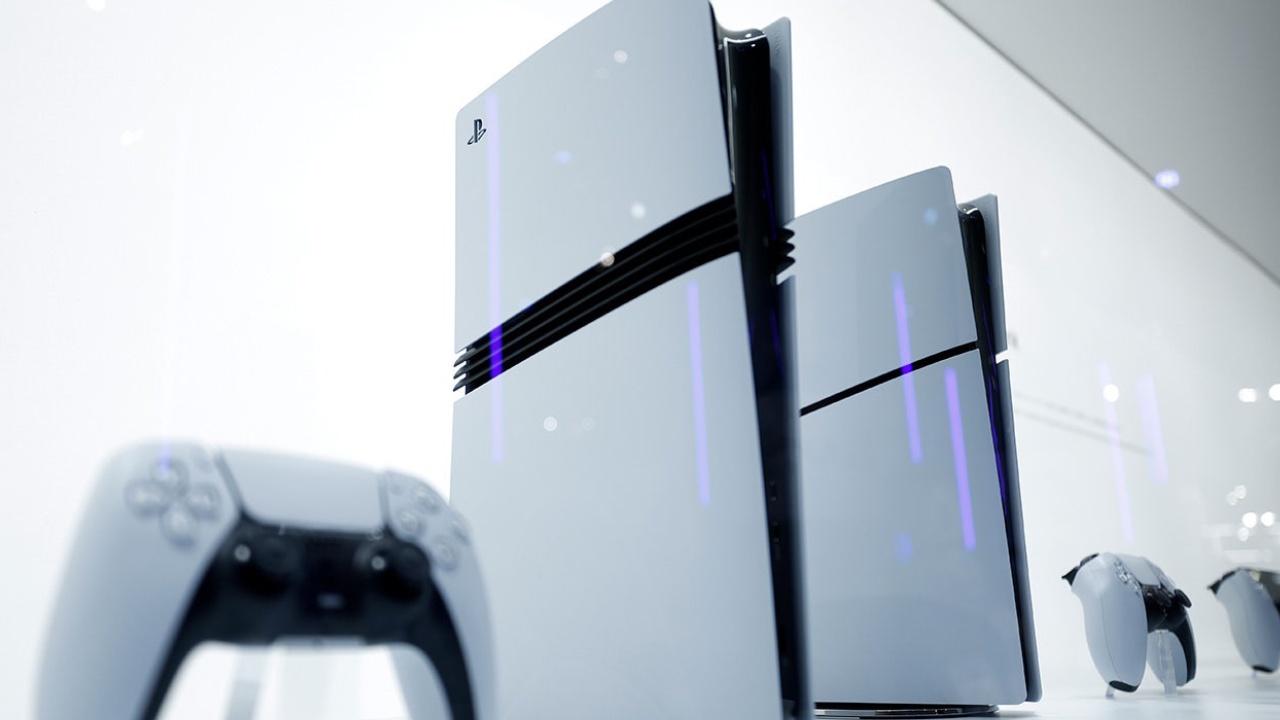
PlayStation 6 Performance Remains Unconfirmed
Some leaks suggest how much more powerful the PlayStation 6 could be than the PlayStation 5 and PlayStation 5 Pro. However, those leaks don't necessarily claim the console will be eight times more powerful. One particular rumor claims that PlayStation 6 will use an RDNA5 GPU.
The architecture has already been discussed, while the process node is reportedly 3nm from TSMC. The rumor also claims a clock speed of up to 3.6GHz. The 3.6GHz clock speed remains uncertain because it has not been confirmed. Previous leaks also did not focus on clock speeds.
Clock speeds are usually decided near the end of the design process because developers must test processors before setting final specifications. The console is reportedly expected to fit within a 160W TDP. A 3.6GHz clock speed for a GPU with 54 compute units would be a lot within that power limit.
80 Teraflops Does Not Mean Eight Times the Frames
Claims that 80 teraflops would make PlayStation 6 eight times faster than PlayStation 5 need to be treated carefully. In terms of compute power and mathematical capability, 80 teraflops would represent a major increase. However, that does not mean eight times more graphics performance or eight times more frames per second in games.
Previous leaks from Kepler L2 and Tom of Moore's Law Is Dead suggest that PlayStation 6 could be closer to three times the rasterization performance of PlayStation 5. That would set different expectations than the 80-teraflop claim. Rather than expecting an eightfold increase in game performance, the previous leaks point toward around three times the raster performance.
If the goal is power efficiency, the power budget limits how much additional compute you can add. The gaming impact of dual-issue FP32 compute also remains a factor because the technology does not necessarily increase game performance directly. At launch, the PlayStation 5 could also run some games at higher performance levels.
PSSR3 Could Be Part of PlayStation 6
PlayStation 6 is expected to use PSSR3 according to the discussed leaks. The console could also use technology provided directly by AMD instead. If PlayStation continues to modify and customize the hardware and software around its console, it could continue with its own version of the technology.
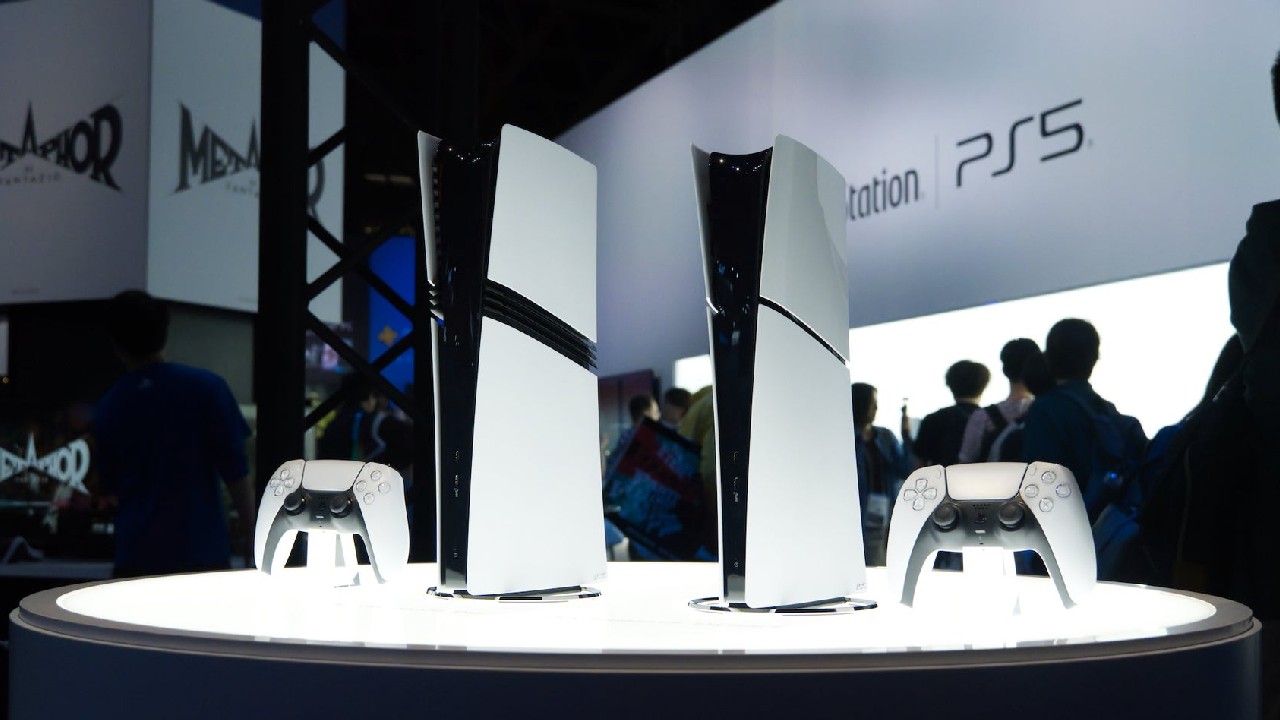
PSSR3 could therefore remain part of the PlayStation 6 graphics technology depending on how the system is developed. Machine learning is expected to play a larger role in next-generation graphics, making upscaling and other rendering technologies increasingly important alongside raw GPU compute.
One part of the rumor compares PlayStation 6 with the Nvidia GeForce RTX 5080 by looking at teraflops. RTX 5080 is listed at around 56 teraflops, while the rumored PlayStation 6 figure reaches as high as 80 teraflops. However, the comparison also needs to consider power consumption.
Narrow rendering could become part of future PlayStation games.
RTX 5080 is reported at around 340W for the GPU, while the PlayStation 6 is expected to operate within a 160W console power limit. A more reasonable expectation is that the next-generation PlayStation could be about three times more powerful, with added ray-tracing and machine-learning capabilities.
PlayStation 6 could also eventually use narrow rendering. The technology has been described as similar to DLSS, in concept but more compact and potentially built into game engines. If this approach becomes part of future game development, it could provide another way to use machine learning and rendering technology without relying only on traditional GPU performance.
The combination of RDNA5, increased raster performance, machine learning, ray tracing, and technologies such as PSSR3 could shape how PlayStation 6 handles next-generation games. The rumored 80-teraflop figure should be viewed in context.
Editor, NoobFeed
Latest Articles
No Data.