
PS6 and XBOX Project Helix 2027 Launch Could Bring Major Hardware Changes
PS6 and Xbox Helix Could Bring New CPU, GPU, Storage, and Ray Tracing Capabilities to Next-Generation Consoles.
PlayStation by Nahe Yan on Sep 27, 2026
Sony and Microsoft are preparing their next-generation systems, with new information pointing toward 2027 as a possible launch window. PlayStation 6 and XBOX Project Helix are expected to introduce changes across GPU architecture, CPU performance, storage, ray tracing, upscaling, and system memory. The hardware specifications being discussed also raise questions about how much these systems could cost at launch.
Kepler L2 has discussed information around the capabilities of the PlayStation 6 and XBOX Project Helix. The PS6 is reportedly targeting 40 teraflops, while the XBOX Project Helix is expected to reach 56 teraflops. Those numbers alone don't provide a direct comparison to the current generation. The PS5 has around 10.5 teraflops, while the Xbox Series X has 12 teraflops.
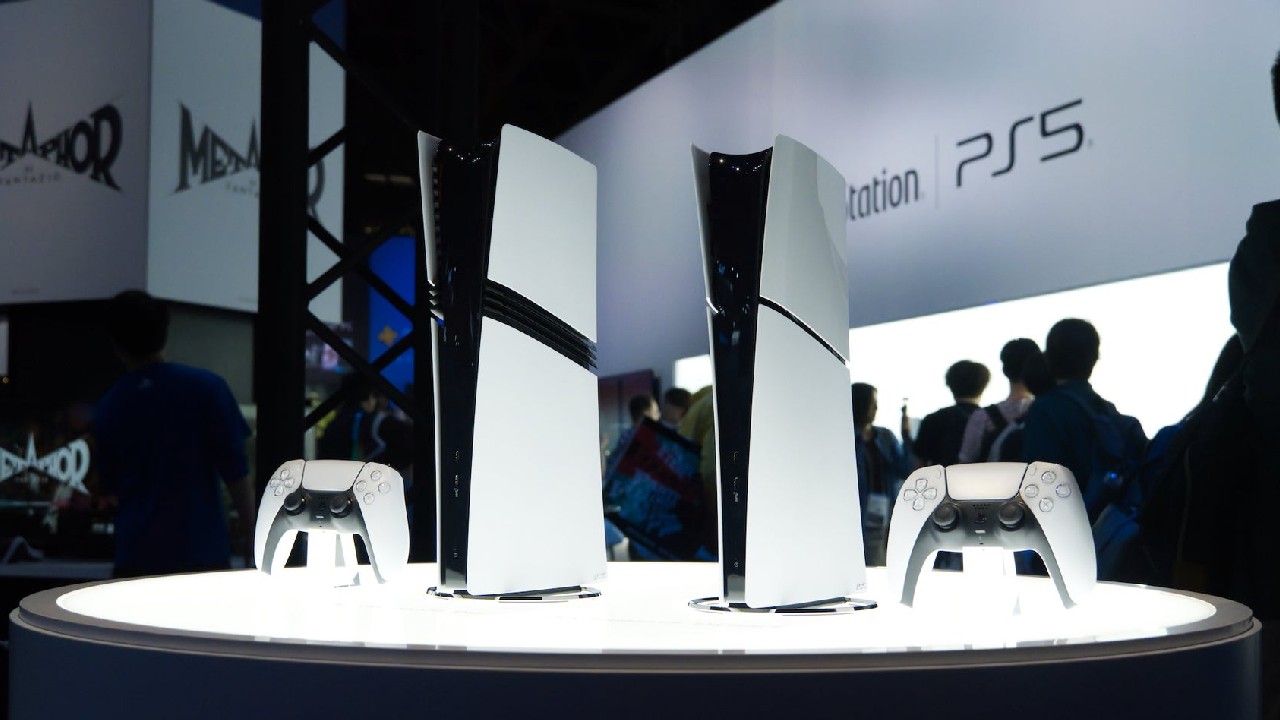
PS6 and Xbox Helix Teraflop Counts
A lot will change between the PS5 and PS6. The systems are expected to move from RDNA 2 to RDNA 5, bringing a different GPU architecture. Because of the raw numbers being discussed, comparisons are being made with AMD’s graphics cards, including the Radeon 9070 and 9070 XT. However, those GPUs are based on RDNA 4, while the next-generation consoles are expected to use RDNA 5.
Sony and AMD also have a relationship around Project Amethyst, which could result in capabilities that are not currently known. AMD is expected to use some of the research and development from this work in its own graphics products. A major change with the current generation was the move to solid-state storage as standard hardware.
Developers know that the system has a fast SSD available, rather than having to account for a hard drive as a baseline. Reports suggest the PlayStation 6's storage could be around three times as fast as the PS5’s SSD. That could let games stream more assets and use storage in ways that provide some of the benefits associated with additional RAM.
Upscaling is also expected to become part of the hardware and software approach from the beginning. Instead of being limited to a smaller number of systems using technologies such as PSSR, upscaling could be integrated into the next-generation platform.
PS6 Pricing Remains a Major Question
Sony could face a difficult balance with the PlayStation 6. The company may find that current market conditions make it hard to generate the same margins while still launching the system at a price consumers will accept. A $1,500 console would put it in a different market position than previous PlayStation launches.
A PS6 below $1,000 would therefore represent a different outcome from some of the higher hardware costs being discussed. PS5 launched at $500 in 2020. Under previous-generation pricing trends, the PS5 could have seen more price reductions during its generation. PS4 dropped by around $100 during its generation, which would have put the PS5 at a lower price by now if the same pattern had continued.
One key takeaway from Kepler L2 is that the chips for these systems could already be taped out. A taped-out chip has completed its design stage and is prepared for fabrication. That means the hardware design has reached a point where production can begin after the necessary manufacturing steps.
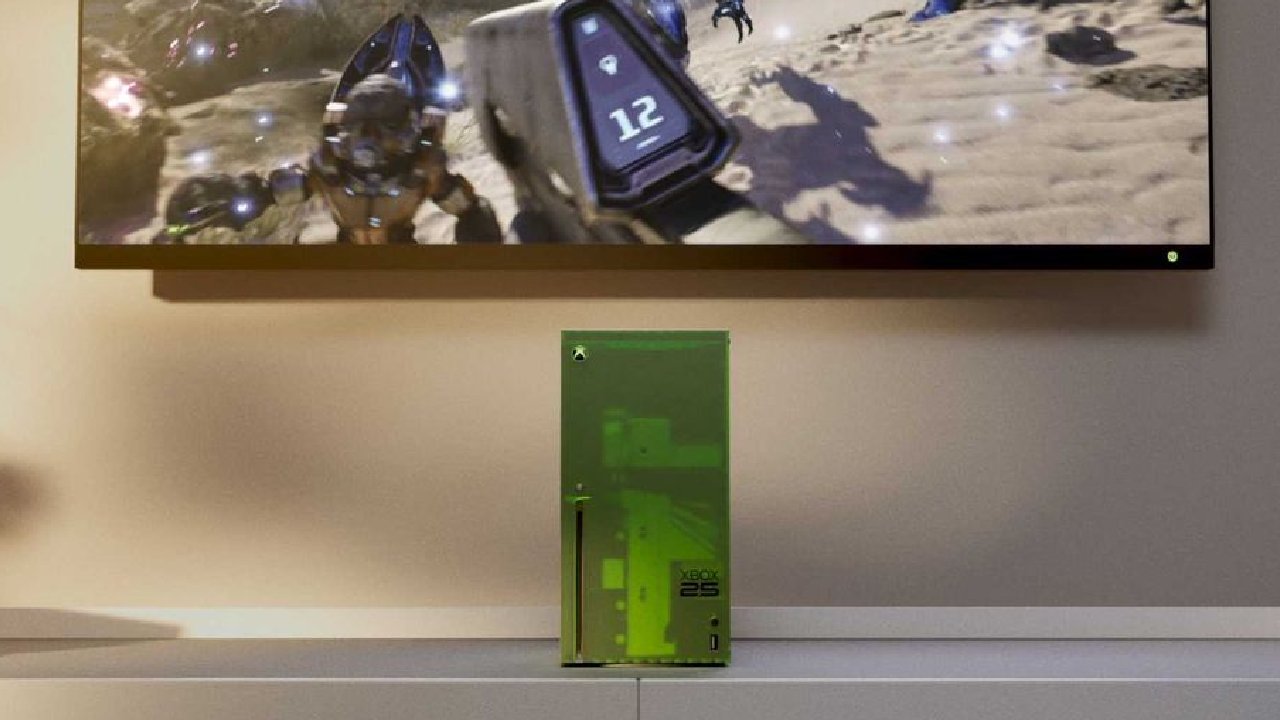
Current information points to a possible November 2027 launch.
If the information is recent enough, it could support a 2027 launch window. A company would not normally sit on a completed chip design for more than two years before bringing it to market. AMD could also use the research and development from its work with Sony in future graphics products.
CES 2027 is scheduled for January 6 through January 9. Sony has previously used major events to discuss future hardware and technology, so the event could provide an opportunity to introduce information about the PS6 before its launch. If the PS6 and Xbox Project Helix are targeting 2027, the hardware development timeline fits with reports that their chips have already reached tape-out.
Expectations for these systems previously extended into 2028, but completed chip designs, fabrication preparations, and fixed teraflop targets point to a shorter timeline. The remaining question is how Sony and Microsoft will position the systems and explain the next-generation hardware to consumers who may be willing to remain with the current generation until 2030.
Editor, NoobFeed
Latest Articles
No Data.