
AMD’s Next-Generation GPUs Could Be Delayed Until 2028
AMD’s rumored 2027 GPU lineup could remain limited as memory costs and AI demand reshape consumer graphics hardware releases.
Hardware by Nahe Yan on Sep 26, 2026
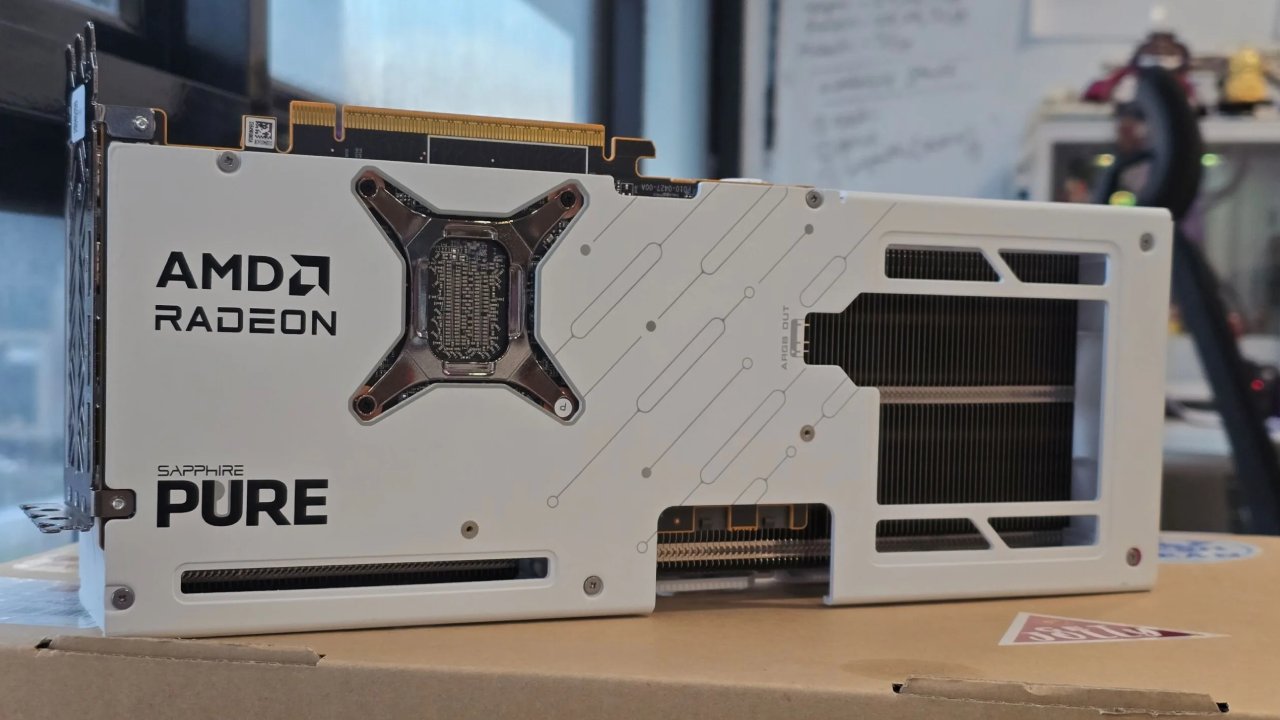
A rumor from leaker Kepler_L2 suggests there may be no new GPU releases in 2027 except for one AMD GPU. The claim says AMD's AT2 could be the only GPU released next year, while everything else from AMD and NVIDIA could move to 2028. According to the rumor, AT2 is an RDNA 5 GPU aimed at the mid-range market with 64 compute units.
That could place it as a next-generation version of the current RX 9070 XT, which also has 64 compute units. The rumor also claims that NVIDIA’s next GPU stack will arrive in 2028, with the rest of AMD’s lineup following the same timeframe. That would leave a long gap before new GPU architectures reach consumers.
Memory Costs Could Be Affecting GPU Development
One reason for the situation is memory costs. New GPU silicon requires memory, and memory prices have been increasing. That creates another factor for manufacturers when deciding where to allocate resources. AMD and NVIDIA are also putting more focus on data centers and AI.
Resources that could otherwise go toward consumer GPU launches, including engineering and manufacturing resources, are being directed toward AI-related products, data centers, and workstation products. That means allocation decisions can favor products that currently generate more revenue.
Consumer graphics cards are therefore competing with other products for the same resources. AT2 is an interesting part of the rumor because leaks have connected it to Microsoft's next-generation Xbox hardware. The GPU tile is reportedly tied to Project Magnus, part of Project Helix.
If AT2 is already being manufactured for the next-generation XBOX, releasing the same GPU architecture on PC could make sense. Once the GPU reaches manufacturing and is used in a console, offering the same technology to consumers in another form could follow a similar timeline.
New Rendering Technologies Could Increase Hardware Demands
Games are also pushing hardware in ways that could increase the need for new GPU capabilities. DLSS 5 changes how performance can be viewed, while more advanced neural filters, upscaling, and neural rendering technologies could become part of future games. That could place more emphasis on hardware designed to accelerate these processes.
Games such as 007 First Light are also described as being demanding, creating a case for faster ray tracing acceleration in consumer graphics hardware. If the rumor is accurate, those hardware improvements may not arrive for several years. High-end GPU availability is another part of the current situation.
Supplies of the RTX 5090 are reportedly declining in some markets, while prices have reached high levels. The transcript mentions prices of at least 8,000 Canadian dollars in one market and, in some cases, more than $10,000. Lower-end graphics cards appear to be in a different position, although prices remain above expectations.
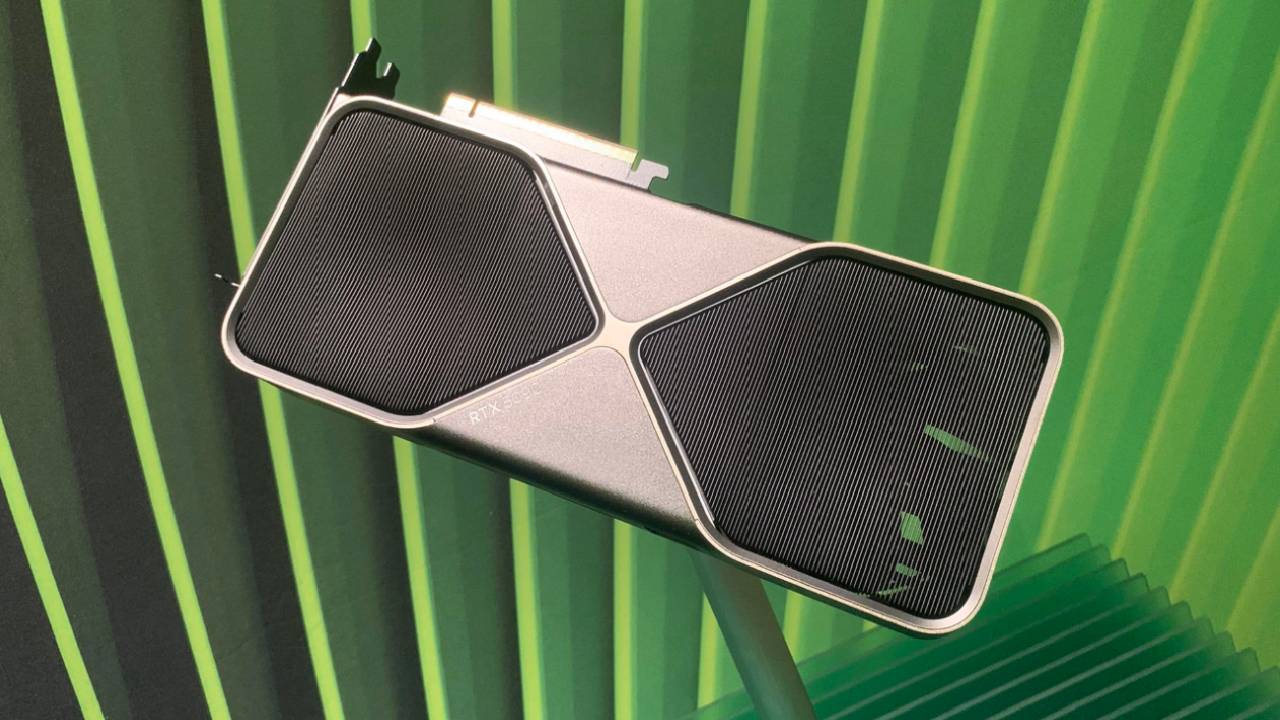
The current market also raises questions about whether the available products are adequately serving consumers. Uncertainty also remains about whether high GPU prices and limited supply could shift release timelines. Manufacturer and consumer incentives are currently aligned around a market where launching another generation may not be straightforward.
At the same time, current-generation hardware still has room to handle demanding games.
The uncertainty around new GPUs also extends to next-generation consoles. Microsoft is reportedly moving forward with Project Helix, but questions remain about production costs, availability, and how the hardware could be deployed if the console becomes expensive to manufacture.
Used prices for current-generation gaming hardware are also described as reasonable in many cases, although the PlayStation 5 Pro is an exception. Used PS5 Pro systems are reportedly carrying a premium, adding another complication to the current hardware market.
The combination of memory costs, AI demand, GPU pricing, supply limitations, and uncertain release schedules has created a hardware market where many future plans remain unclear. If the reported delays continue, current-generation GPUs and consoles could remain relevant for longer while manufacturers work through the supply and production issues affecting new hardware.
Editor, NoobFeed
Gaming Hardware Updates
No Data.