
CXMT Challenges DRAM Giants Amid Global Memory Shortage
CXMT’s rapid DRAM expansion is reshaping memory supply as rising AI demand continues to pressure conventional DDR5 production.
Hardware by Nahe Yan on Sep 24, 2026
DDR5 memory prices have risen far above previous levels, while demand for AI hardware has changed how DRAM capacity is allocated. At the same time, CXMT has expanded its memory production and become a larger part of the DRAM market.
The cheapest 32GB DDR5 kit in America right now runs $402. That same kit, same speed, same capacity, has a recorded floor of $72, and nothing about it has improved. It’s five and a half times the price for an identical part, and it isn’t scalpers; it’s the market clearing.
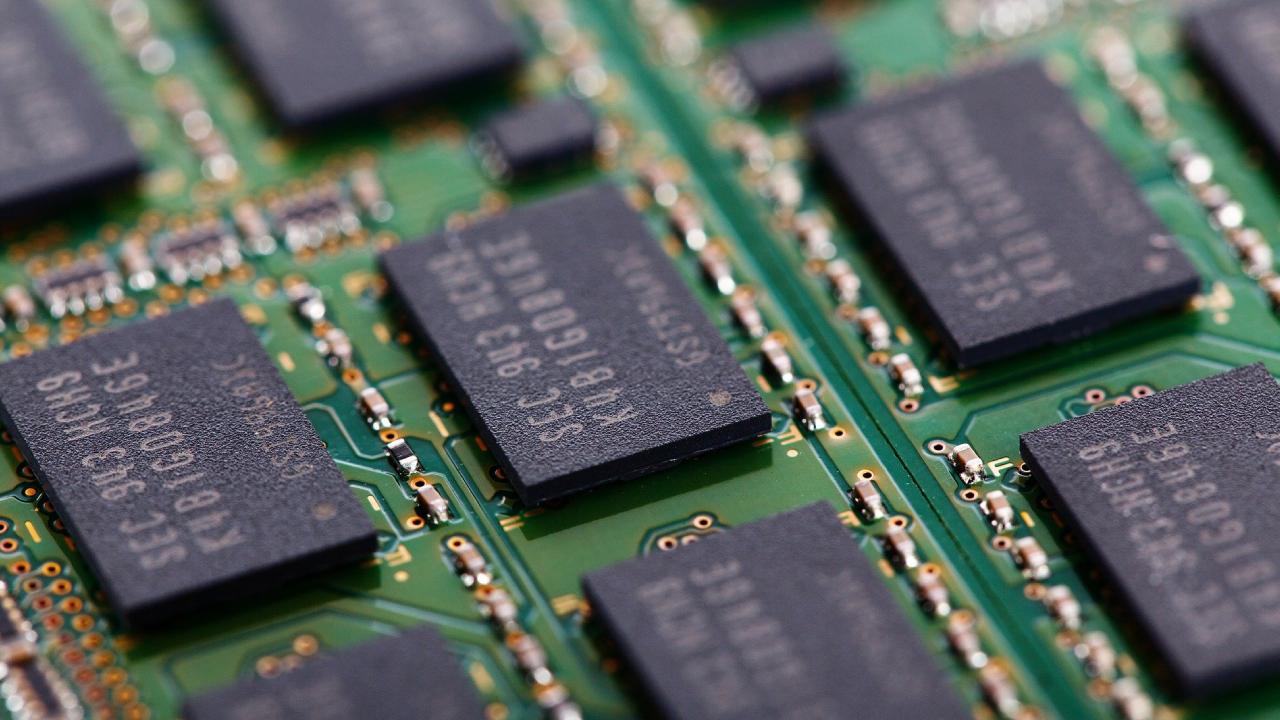
CXMT is Expanding DRAM Production
Last month, it listed in Shanghai and opened up 471% for part of that day. It was the most valuable listed company in the country. It outranked the banks. Then, on August 11, a court in Seoul heard sworn testimony about where its process came from.
Here’s what it actually is, because the scale is what people get wrong. Three big memory fabs, two in Hefei, one in Beijing, starting somewhere around 300,000 wafers every month between them. The researchers who modeled this expect it to leave this year within about 25,000 wafers a month of Micron.
On August 11, a witness took the stand in that Seoul courtroom. Korean reporting identifies him only by his surname, Jun. He’s 56, and he gave Samsung 28 years. In 2016, he left and joined a Chinese startup that had just been founded to make memory.
That startup was CXMT. In April, a court sentenced him to 7 years. What he took has a name. Samsung calls it a process recipe plan, and it’s exactly what it sounds like. About 600 steps to turn a blank silicon wafer into working memory. Not a blueprint of the chip, but the instructions for the factory.
Temperatures, pressures, how long each layer sits in each machine, and which machine, the etch conditions, the anneals, the implant settings. A Korean business paper reports that the plan took Samsung 5 years and over a billion dollars to work out, and Jun was paid about $2 million for it, plus stock options.
The recipe cost roughly 500 times more to develop than it cost to buy.
That ratio is the entire economics of industrial espionage, and it explains why this keeps happening. This week mattered for reasons beyond the money. It’s what he told the court about intent, and it’s worth quoting rather than paraphrasing.
If you ban the copy, does the original get cheaper? The first is the one people refuse to believe. CXMT memory isn’t cheaper. A tracked listing in China last month put a 64GB server module built on Chinese chips at about $2,800 and the identical module on Samsung or SK Hynix chips at $2,745. The Chinese part was about 2% more expensive.
In a shortage, everyone prices to what the market will bear, and a new entrant has no reason to undercut a sold-out market. Second thing, those chips mostly aren’t coming here. The notebooks using them sell outside America. CXMT’s output is absorbed by Chinese customers who ordered it first, and Congress is working to keep it that way.
Editor, NoobFeed
Gaming Hardware Updates
No Data.