
Steam Frame: The Future of Open and Accessible VR
Steam Frame introduces a unified approach to VR technology combining openness, performance features, and expanded software compatibility.
Hardware by Masaru Hoshino on Jan 06, 2026
The new idea arises from how all of these parts function together. Unlike the Quest, the Steam Frame is not positioned as a competitor for AR-focused products like the Apple Vision Pro or Galaxy XR.
Instead, it connects standalone VR and PC VR, giving you the freedom and content of PC VR in a form that is easier to use and more streamlined.
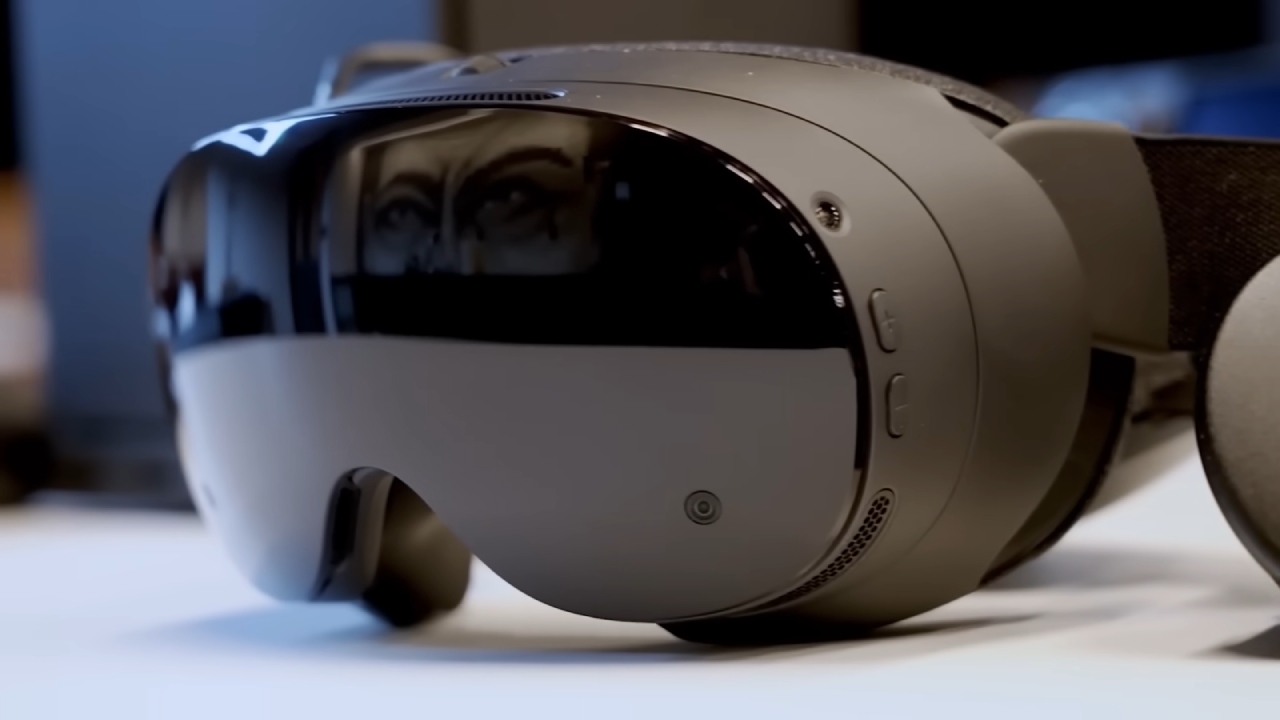
Addressing Software and Hardware Freedom
Steam Frame stands out as one of the most open standalone VR headsets ever created. Users really own what they buy since they can change, investigate, or enjoy both software and hardware as they are. The Meta Quest lineup only lets you make changes behind developer settings and needs a Meta account.
Valve's way, on the other hand, lets you install apps, browse the web, or take full control of your system. Valve hasn't always been great at owning software, but this move is a good step toward openness in the VR sector.
Solving the Content Problem
One big challenge with VR is that there aren't many good reasons to put on a headset. A lot of headsets go unused since it's just easier to play games on a flat screen. Gorilla Tag, VRChat, and Rec Room are examples of social VR experiences that are exceptions.
However, most people have a hard time finding games or experiences that are worth the effort it takes to set them up. The Steam Frame's controller design and compatibility layers fix this problem.
The controllers have both regular gamepad inputs and VR features, so you can play any game that works with a controller on the headset. This makes the number of possible uses go up a lot.
You can use the Steam Frame like a PC or console, or you can show new people how to utilize VR with button layouts they already know. Developers don't need to use clunky workarounds for complicated games anymore; the controllers let players do things that feel natural in VR.
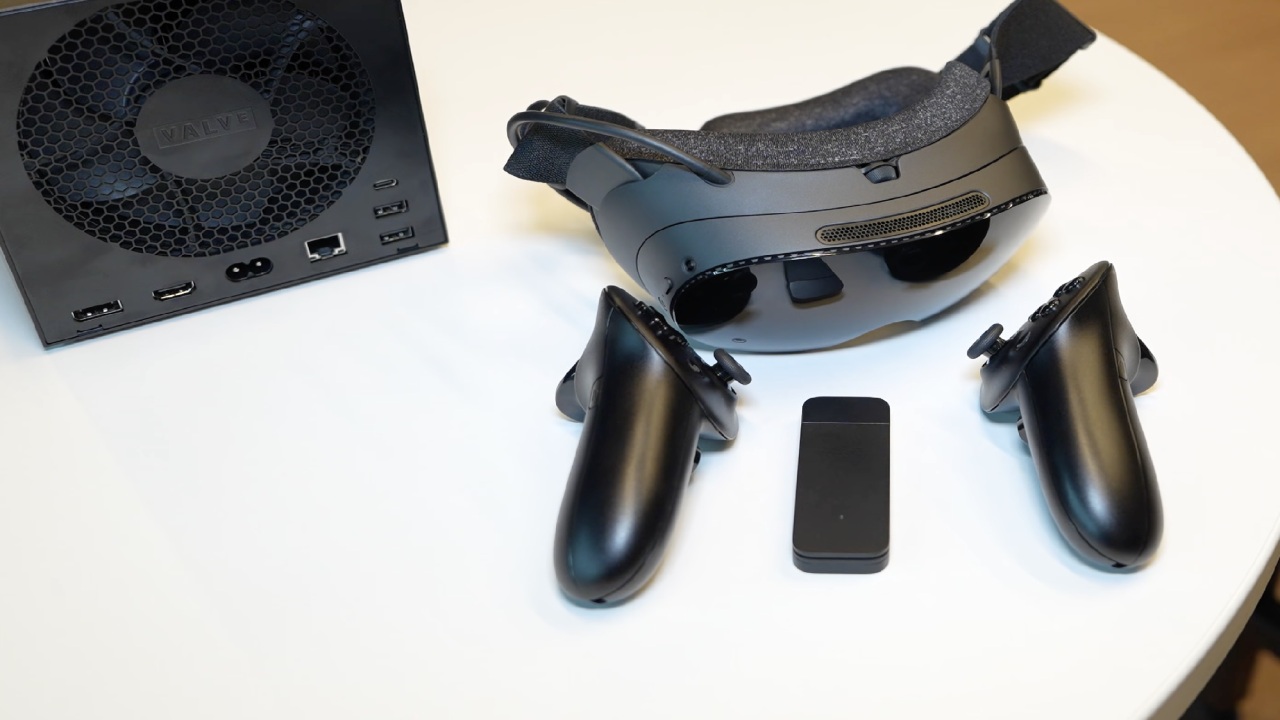
Ease of use and performance
Steam Frame is the most convenient thing ever. It's easy to play VR or flat-screen games, and connecting to a PC is easy. With foviated streaming, you get high-quality visuals right now. Eyetracking can also make foviated rendering possible, which is an optimization that makes performance much better.
Eyetracking has been used in other headsets, including the PSVR2, but it hasn't grown very popular, therefore it hasn't had much of an effect on game optimization. Steam Frame might change that by inspiring developers and maybe even getting future gadgets like the Meta Quest 4 to use similar technologies.
Looking Forward
The Steam Frame is an interesting piece of equipment that could change the way VR works. VR could be more fun and easier for everyone to use if it were more open, had controllers that could be used in many ways, and had a simpler design.
The headgear gives us optimism for the future of VR since it shows that the best is yet to come, even if the industry has developed.
VR is not dead; it's just beginning.
Also, check our other NVIDIA articles below:
- NVIDIA GeForce RTX 5080 Review (2025): Still A 4K Gaming Powerhouse?
- NVIDIA RTX 5070 Review: Mid-Range Muscle or Marketing Hype?
- RTX 5070 Ti Review: Performance, Thermals & Power Efficiency Tested
- ASUS GeForce RTX 5090 LC Liquid Cooled GPU Review: Unmatched Silence & Speed
- MSI GeForce RTX 5090 32GB SUPRIM SOC Review: Power Efficiency, Cooling, and Gaming Performance
- INNO3D RTX 5060 Ti 16 GB X2 Review: Gaming Benchmarks, Temps, and Power Efficiency
- HP Omen 45L Review: RTX 5090 Performance, Thermals, and Value Analysis
- ASUS TUF Gaming GeForce RTX 5060 Ti Review: DLSS 4, Power Efficiency, and Gaming
- ASUS Prime RTX 5060 Ti OC 16GB Review: DLSS 4, Ray Tracing, & Thermals Tested
- NVIDIA GeForce RTX 5060 Review: Specs, Gaming, and Cost per Frame
- MSI GeForce RTX 5090 GAMING TRIO OC Review: A Monster Power GPU
Editor, NoobFeed
Gaming Hardware Updates
No Data.