

Why RTX 4090 Still Feels Like a Top Gaming GPU in 2026?
RTX 4090 continues delivering flagship-level gaming performance years after launch despite newer GPU releases.
Hardware by Godrics01 on Jun 04, 2026
A graphics card's ability to age well has been a recurring theme in PC gaming, particularly if it remains relevant years after release. Newer GPUs are coming in at lower frequencies, and performance improvements have become more incremental in certain areas, so now the focus is on whether or not premium hardware will be valuable in the long run.
RTX 4090 has made its way into the conversation, not just for its price tag, but for its performance as compared to newer offerings. Now that people have had a chance to look back at the 1080 Ti, they are beginning to wonder whether another card will be added to the so-called fine wine list someday: RTX 4090.

Why RTX 4090 is Entering the Fine Wine Discussion
At launch, a $1,600 price tag would have seemed crazy, to say the least, and if it were still available at MSRP. However, almost four years later, it is still the second-most-powerful gaming GPU available, and it could remain there for years to come if there are further delays in new GPU releases.
The reason for this is evident: the RTX 4090 is still a viable option. It's in a weird place between the RTX 5080 and RTX 5090, all the while being more relevant than most anticipated. However, the term 'fine wine' might still seem premature, as the label typically follows a longer period.
Performance that Continues to Hold Up
The strange thing about the RTX 4090 is how easy it is to see its performance ahead of the RTX 5080 in games. Despite the arrival of newer hardware, the card remains competitive in ways that are not typical of a previous-generation flagship.
There was a sense during the original review period that the RTX 4090 resolved rasterized rendering. You might start almost any type of video game and be certain it will run normally. That experience made many people feel confident about the hardware, though the price may have been too high for some.
The next big problem is where the RTX 4090 fits in when the next generation of GPUs arrives. Given their current launch pace, we may yet see the RTX 4090 as one of the best gaming GPUs several years from now.
Nvidia's Large GPU Strategy and Absence of Competition
One of these concerns Nvidia's approach to big GPU dies. The company threw its weight around with the massive GPU designs of the RTX 4090 and again with the RTX 5090, even though they used the same process node.
Rather, the RTX 5080 seemed more incremental than the RTX 4080, including technologies discussed, such as dynamic frame generation. This puts the RTX 4090 in an interesting position, as it continues to feel more powerful than newer-generation products, despite being in the same product line.
Despite this, it may take some time to appreciate it as a fine wine. A few more years might be needed before coming to this conclusion. However, it's not unheard of for high-end GPUs to take a long-term leap. The RTX 2080 Ti also had a high launch price tag at the time and was later involved in similar discussions.
Gaming GPUs and a Trend to Machine Learning
As Nvidia moves into the RTX 60-series era, rumors are ramping up about a push into machine learning hardware. Rasterization enhancements may even be reduced, with machine learning acceleration as the focus. How that balance will play out is not yet clear, but it raises some questions on the future of gaming-focused GPUs.
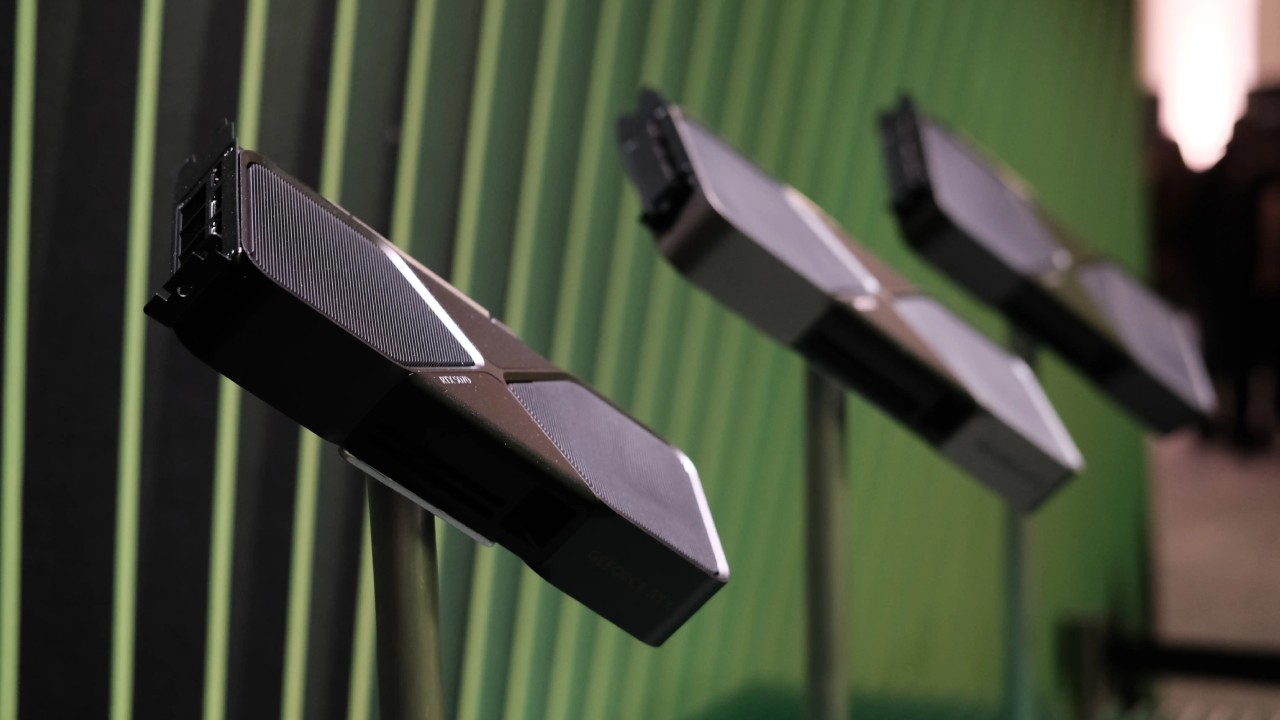
Meanwhile, hardware testing for RDNA4 and Blackwell revealed something peculiar. Most GPUs appeared to cap out at around the RTX 5090 performance level, if not much closer. That ceiling was frequently as low as the RTX 5080, a performance barrier that isn't obvious unless companies are willing to design larger GPUs.
Players are worried about the future of PC gaming hardware. Players are concerned about the future of PC gaming hardware. Others are worried about a future where hardware isn't as important as access models. That fear permeates fears that more and more games are becoming automated, that is, systems doing more than people.
You can already see signs of this anxiety in more consumer experiences with AI-driven systems. But the worry isn't just about technology; it's about shifting priorities within giant firms. Even though everything is digitizing, gaming hardware remains essential.
Despite these concerns, there's hope that gaming hardware will remain safe for the foreseeable future. So long as there is a need for games, companies will continue to develop gaming devices. The PC gaming industry is still big, and significant cash is still being spent.
Millions of Blackwell GPUs have already been sold.
A Steam Hardware Survey showed that the RTX 5070 was the most popular Blackwell card, with approximately 4% of the Steam user base. A percentage such as 4% represents a significant amount of GPUs in the market for a product. However, when one company recedes, another player in the market can possibly fill the demand gap. That is the way markets operate.
Demand brings opportunity, whether it's AMD or new players to graphics hardware. There is still no resolution to the fine wine discussion among the RTX 4090 series. It was priced like many others, and many people didn't want to spend the money, but it has proved to be a long-term success.
It remains one of the best performers in the market years after its release and, in many instances, still out-performs hardware that it is clearly a generation behind. It's enough to have a conversation. Only time will tell whether the RTX 4090 will be remembered as the 1080 Ti or the RTX 2080 Ti, and whether gaming hardware priorities shift as more and more goes into AI investments.
Editor, NoobFeed
Latest Articles
No Data.