
Valve Steam Machine 2026 Confirmed: Why Project Helix Isn’t a Real Threat
Valve confirms Steam Machine launch in 2026 while maintaining focus on pricing, performance optimization, and long-term ecosystem expansion.
Hardware by Tanvir Kabbo on Mar 17, 2026
Valve has officially set a 2026 debut date for the Steam Machine, and the debate over whether it should be worried about Project Helix is getting louder. Even though there have been delays, schedule changes, and more rumors, it seems the two platforms are going after quite distinct groups of people.
Recent backend upgrades and confirmations in Valve's 2025 year-in-review make people more confident that the company is moving forward with its hardware aspirations while also improving its ecosystem.
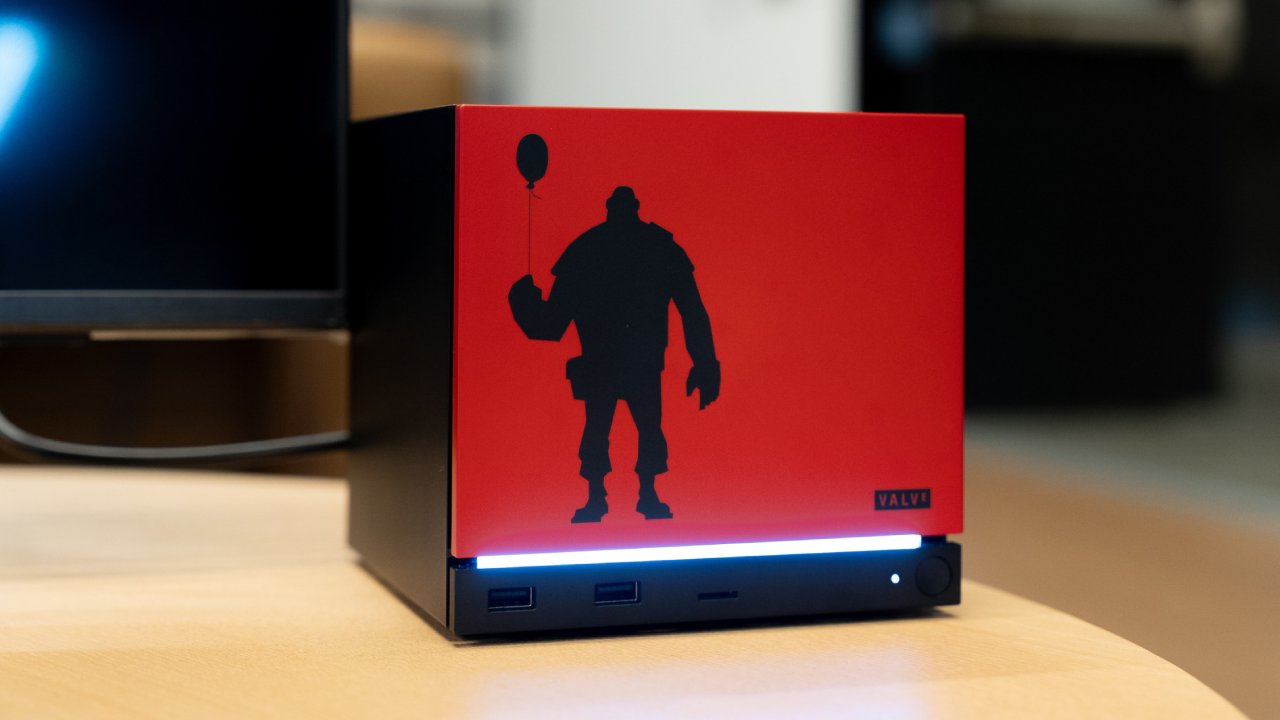
Valve Confirms Plans to Launch in 2026
On Friday, there were many upgrades. Changes to the Steam backend indicatedoming soon" release timeframes for the Steam Machine, Steam Frame, and Steam Controller. Valve made it clear in its 2025 year-in-review that it will release its hardware in 2026. Later, the statement was revised to clarify that the timeframe remains correct.
Even though there were worries that RAM and storage constraints might impair supply chains, Valve is still aiming for the first half of 2026. Some people seem upset by the schedule, but the truth is that there is usually a year between the announcement and the introduction of a new iPhone. Compared to other platforms, launching within that timeframe is not unusual, and if anything, releasing before June would place Valve ahead of typical schedules.
You might feel the wait is long, but taking additional time allows Valve to refine pricing, optimize performance, and ensure SteamOS is fully prepared. Instead of rushing, the company seems focused on providing customers with a smooth experience that meets their expectations.
Need for More Transparency and Showcases
Valve has said many times that additional information is on the way, but there haven't been many real updates. We think the corporation should stop making assertions and start showing real development. Hands-on previews, gameplay demonstrations, and performance showcases would significantly boost confidence and sustain excitement.
You would likely benefit from seeing real-world gameplay, especially with claims that the system can handle 4K gaming using FSR. Even short previews or controlled demos would help retain people's interest in the game between the announcement and release.
Steam Controller Could Bridge the Gap
Valve might keep things rolling by releasing the Steam Controller before the whole system comes out. The fact that there are other controllers available means that supply problems are probably not the problem. The delay could be because of packaging methods or a desire to launch everything at once.
We think releasing the controller early would serve as a strong interim product, giving users something tangible while waiting for the Steam Machine. You could start integrating it into existing setups, which would naturally build anticipation for the full ecosystem.
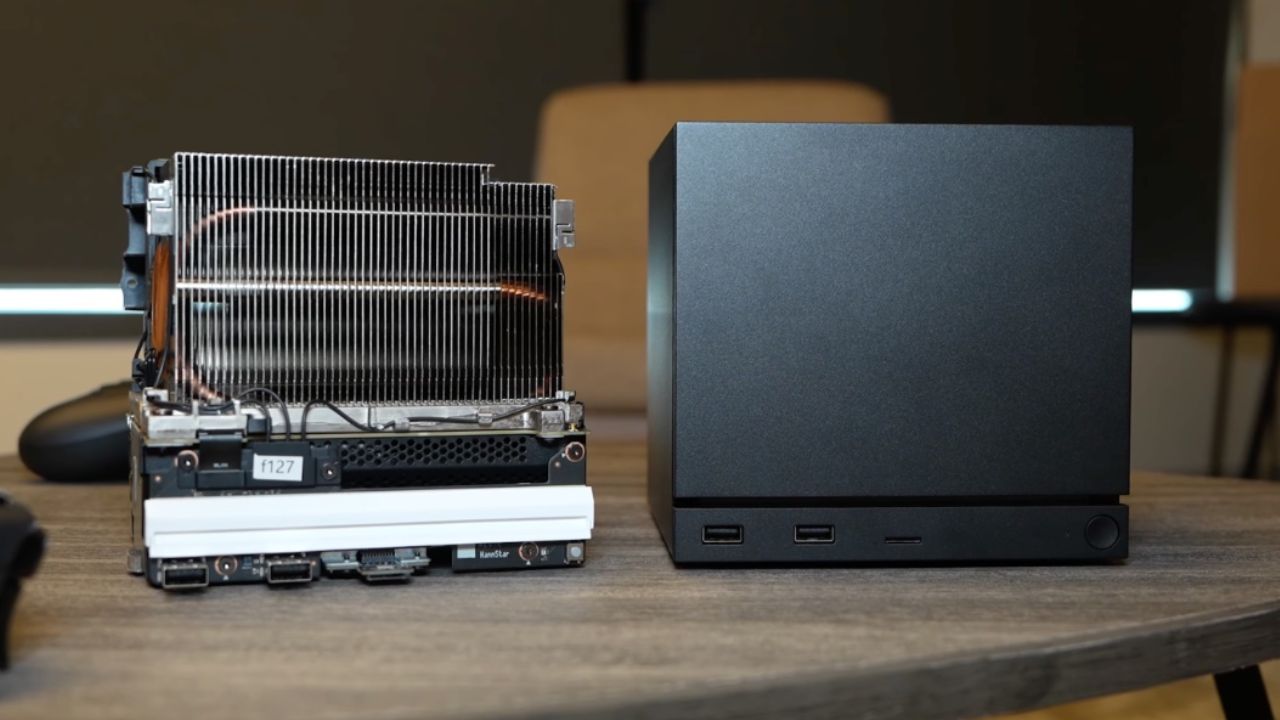
Pricing Strategy and Subsidy Misconceptions
There has been discussion around whether Valve should subsidize the Steam Machine if delays continue. People are worried about buying in bulk and using multiple accounts to take advantage of others, but such situations are unlikely to occur. It's unlikely that anyone will abuse the system on a large scale because of the purchase limits on active accounts.
We can safely assume that Valve has safety measures in place, and you shouldn't expect these concerns to have a significant impact on pricing strategies. Instead, the goal is still to provide competitive value without making it harder to get to.
Project Helix Targets a Different Audience
Project Helix has been brought up as a possible competitor, although its posture makes it seem like it isn't. Based on what we know so far, the hardware seems to be aimed at a higher performance level, possibly on par with systems that use GPUs in the 5070Ti range. That level of performance typically comes with a significantly higher price point, likely exceeding 1300$ or 1400$.
We see a clear distinction in approach. The Steam Machine aims to deliver a streamlined, console-like experience centered around SteamOS, while Project Helix leans into a high-end PC environment with Windows. If you care more about raw performance and versatility than anything else, you might choose Helix, although it costs more than other options.
Also, because people rely on subscription services like Game Pass, many users may not have a lot of games linked to the platform. On the other hand, Steam users usually already have collections, which makes switching to a Steam Machine easier.
Valve Wins Regardless of Competition
Valve is still in a great position, even if Project Helix takes off. Helix works like a PC, thus it still supports Steam. This means that consumers can keep buying games through Valve's platform, no matter what hardware they use.
We can see that Valve’s broader strategy is not dependent on the success of a single device. Instead, it focuses on expanding access to the Steam ecosystem. You ultimately contribute to that ecosystem whether you choose a Steam Machine or another PC-based solution.
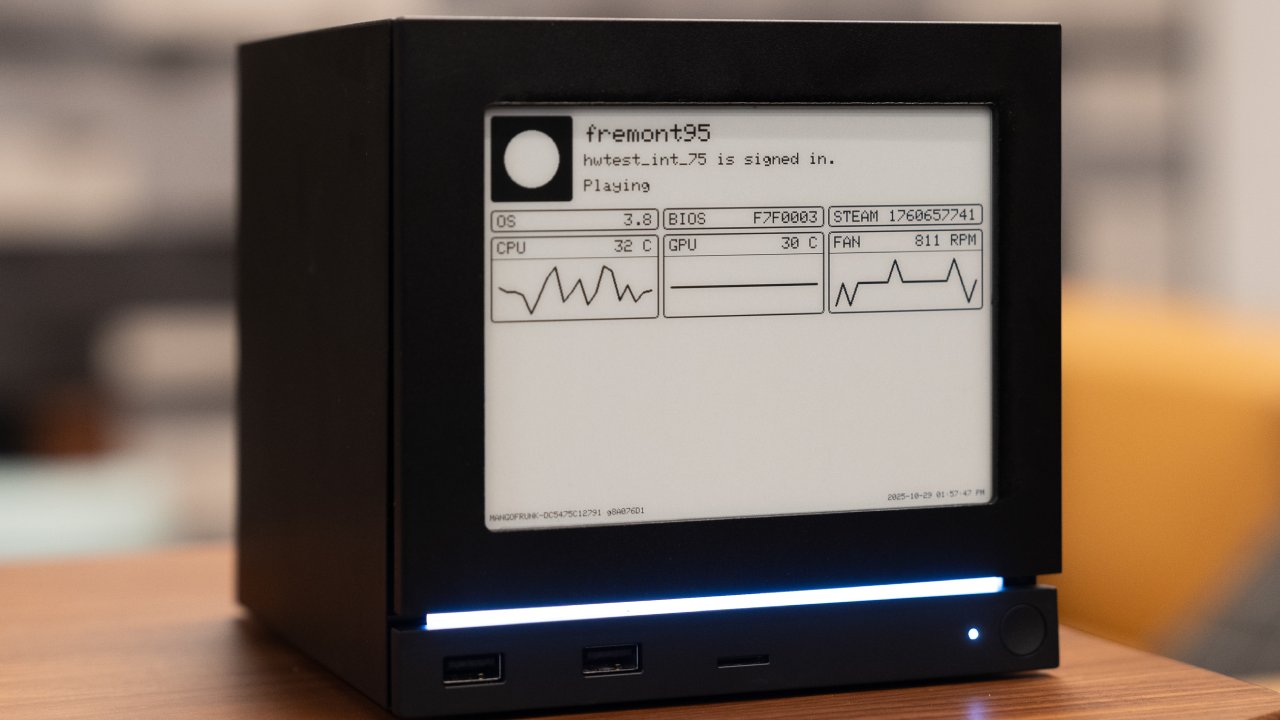
Building a Unified Steam Ecosystem
The long-term vision extends beyond a single device. The Steam Machine is meant to go together with the Steam Deck, not replace it. A key part of that concept is that there should be no problems switching between handheld and living room experiences.
We want cloud synchronization to get better, especially while the game is paused. Right now, saved data cannot sync until the session is over, which makes it hard to move devices. You would benefit greatly from real-time cloud updates that allow instant continuation across platforms.
Direct streaming between devices is another area with significant potential. While existing solutions work, a dedicated connection optimized for Steam hardware could provide a smoother and more responsive experience.
Patience as Development Continues
Even though there aren't many updates, work is still going on behind the scenes. Valve is still working on its hardware ecosystem, making sure that existing devices work with SteamOS, and adding more devices that work with SteamOS.
We know that people are excited about the Steam Machine, but waiting is part of the process. You should expect that the extra time will lead to a better product, lower prices, and a better overall experience.
People are still very excited, and even if the wait goes on, the groundwork being laid suggests a bright future for Steam devices.
Also, check our other hardware articles:
- AMD Ryzen 9 9950X3D Review: Setting The Standard For 2025 Gaming CPU
- Amazon Luna 2025 Review: Is Prime Gaming's Cloud Service Your Go-To For Casual Fun?
- AMD RX 9070 XT Review: AMD's RDNA 4 Champion for 1440p Gaming
- GeForce Now Ultimate: Ditching Your Gaming PC For Cloud RTX 4080 Power?
- NVIDIA GeForce RTX 5080 Review (2025): Still A 4K Gaming Powerhouse?
- Intel Core Ultra 9 285K Review And Performance Breakdown (2025)
- AMD Ryzen 7 9800X3D Review: 3D V-Cache Goes God Mode with Stunning Gaming Performance
- Intel Core Ultra 9 285K vs AMD Ryzen 7 9800X3D: In-Depth Gaming Performance and Benchmark Comparison
- NVIDIA GeForce RTX 5080 Super Performance In Cyberpunk 2077: Path Tracing & DLSS 4.0 Tested
- AMD Radeon RX 9070 XT In Cyberpunk 2077: Ray Tracing & FSR 4.0 Tested
- Intel Arc B580 Review: The $250 GPU Revolutionizing 1440p Gaming
- Intel Arc B570 Vs. B580: Value, Specs, And Real-World Gaming Performance
- RTX 5090 Laptop Vs. M4 Max MacBook Pro: Ultimate Raw Performance Vs. Battery Endurance
- Intel Arc b580 Vs. RTX 4060: Game Performance And Value Analysis
- RTX5090 Hell Is Us Demo 4K Ultra Benchmark: DLSS Vs. Native Performance Guide
- NVIDIA RTX 5070 Review: Mid-Range Muscle or Marketing Hype?
- Nintendo Switch 2 Review: Handheld Performance, Features & Value Breakdown
- RTX 5070 Ti Review: Performance, Thermals & Power Efficiency Tested
- Samsung Odyssey OLED G81SF Review 2025: Ultimate 32-Inch QD-OLED Gaming Monitor
- AMD RX 9070 Performance Review: Thermals, Clocks, and Real-World FPS
- AMD Ryzen 5 7600 Review: Best Budget Gaming CPU of 2025?
- AMD Radeon RX 7800 XT Review: RDNA 3 Power For Midrange Gaming
- Asus ROG RTX 5090 Astral OC Vs. Founders Edition: The 4K Gaming Benchmark
Senior Editor, NoobFeed
Gaming Hardware Updates
No Data.