
Valve Steam Machine Optimization: Solving 8GB VRAM Stuttering
Strategic memory management protocols within the Linux kernel to eliminate game stuttering.
General by Nahe Yan on Apr 21, 2026
Usually, to get the best hardware performance, you have to choose between software economy and physical limitations. Managing video memory has been a big problem for PC gamers, especially on systems that don't have a lot of resources to support smooth games.
New versions of the Linux kernel and SteamOS fill in this gap. New devices and handhelds that are already out there can now run current games without stuttering, unlike when memory overflows happen.
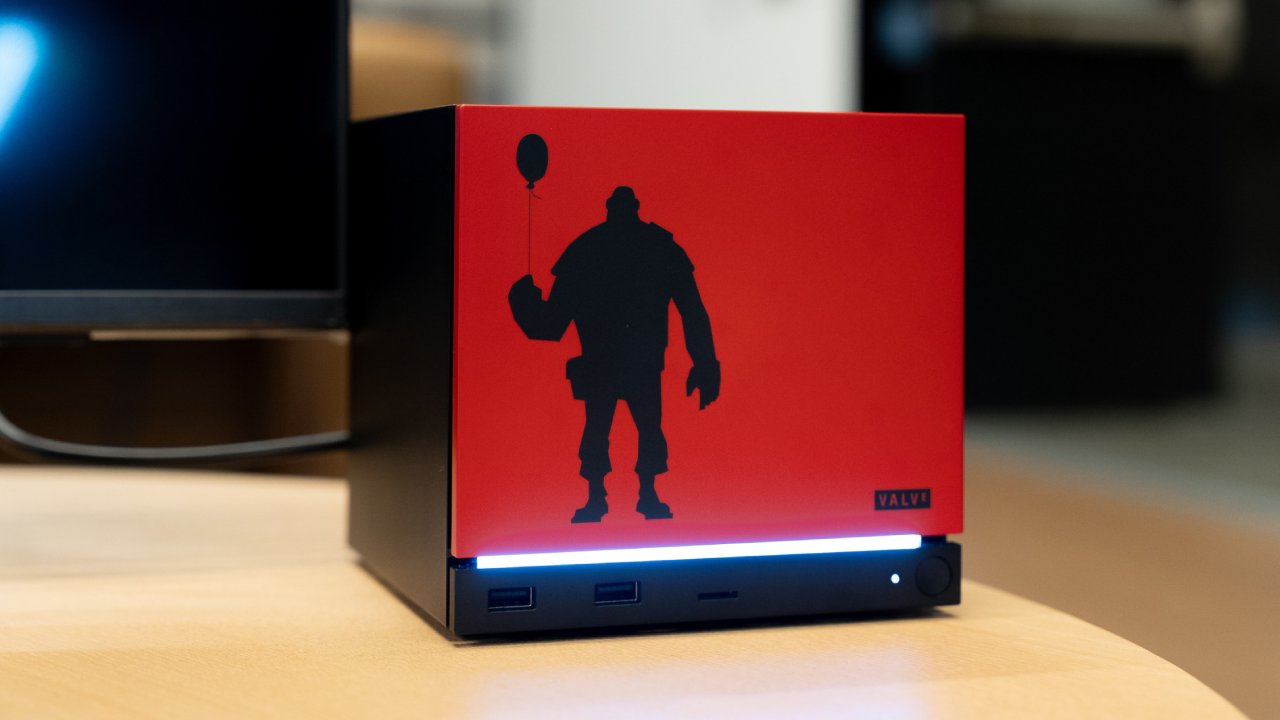
VRAM and System Memory Optimization
The low-VRAM machines have finally received a major upgrade: the 8GB barrier that most modern games are now surpassing. Although most modern titles require over 8GB of dedicated video memory, most users still use such hardware. In response, Valve has worked to maximize the use of GTT by a system, or by system RAM used as VRAM. Conventionally, when a game spills over into system RAM, it creates frame rate problems and stuttering.
What made this even more difficult in Linux was that the operating system did not prioritize VRAM allocation. When you have a game running alongside background processes such as a web browser or Discord, the system tends to allocate resources equally, causing important game data to be stored in slower system RAM. The system is optimized with a new kernel-level component that can identify gaming workloads and prioritize them. Today, the maximum amount of VRAM is allocated to the game in progress, with less important background processes transferred to the GTT side.
Since these background programs do not require much graphics, they will work well from system RAM, and the 8GB of dedicated VRAM can be used for the game. This hack is incorporated into the Linux kernel, so any Linux distribution will eventually benefit from these improvements, and 8GB GPUs will live longer.
New Releases to the Handheld Experience
This week offers some interesting titles that showcase the versatility of the Steam Deck. Pragmata offers a third-person action-adventure story for those interested in AAA experiences. The game is set on a space station taken over by a rogue AI. It follows a protagonist and a robotic companion. With the box, you can achieve approximately 40 fps at very low settings. To obtain a cleaner image, you can set FSR to FSR3 and set it to balanced. Alternatively, you can set the game to 30 fps and enable volumetric lighting and better hair physics to make it more visually intensive.
Under the mid-range category, Mouse PI for Hire introduces an innovative 1930s animation style to the first-person shooter genre. Hand-animated aesthetics similar to the classic cartoons are also characteristic of this title, but the shooting mechanics are solid. The Steam Deck can maintain 40 fps at medium settings.
Replaced is a 2.5D action game with a dystopian setting that may be a must-have game when it comes to getting a more indie experience. It is an HD-2D style that uses contemporary 3D lighting and pixel art. The fighting focuses on counters and executions, and the game runs smoothly at 40 fps with few manual settings adjustments needed.
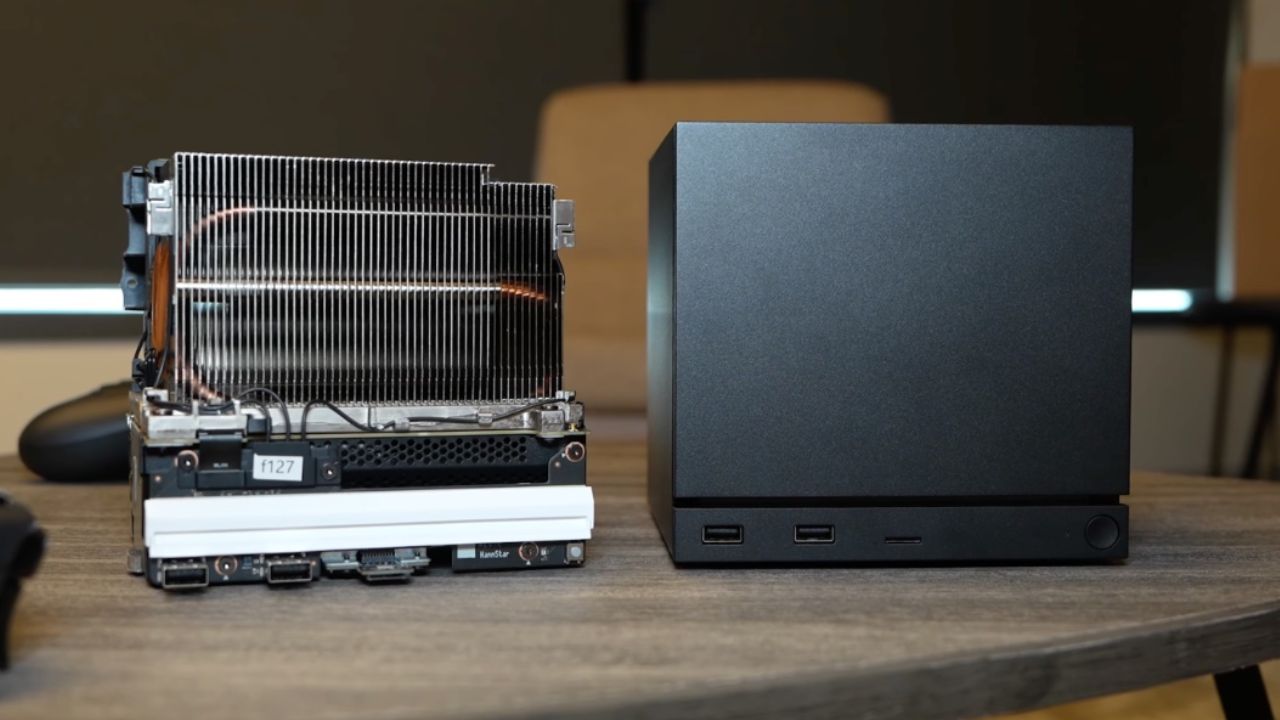
Final Thoughts
There has been speculation about the release of standalone Steam Controllers following the discovery of shipping manifests for large quantities of hardware in the US. Some feel that an independent controller release is imminent. Still, these releases are more likely timed with the overall release of the Steam Machine and the hardware ecosystem it relies on. The development of two launch windows may introduce unnecessary logistical challenges.
An independent controller is one of the most sought-after peripherals for PC gamers who consume 10 percent or 20 percent more power than a typical handheld. Trackpad and gyro support are especially useful in hardcore titles that do not natively support controllers, like tactical shooters.
It's possible to play complex PC-exclusive titles on a TV or a standard screen with little effort using a dedicated PC controller that leverages the community-created profiles already compatible with the Steam Deck. Although the hardware may seem ready, we must expect these elements to be delivered as a single ecosystem rather than standalone releases.
Also, check our other hardware articles:
- AMD Ryzen 9 9950X3D Review: Setting The Standard For 2025 Gaming CPU
- Amazon Luna 2025 Review: Is Prime Gaming's Cloud Service Your Go-To For Casual Fun?
- AMD RX 9070 XT Review: AMD's RDNA 4 Champion for 1440p Gaming
- GeForce Now Ultimate: Ditching Your Gaming PC For Cloud RTX 4080 Power?
- NVIDIA GeForce RTX 5080 Review (2025): Still A 4K Gaming Powerhouse?
- Intel Core Ultra 9 285K Review And Performance Breakdown (2025)
- AMD Ryzen 7 9800X3D Review: 3D V-Cache Goes God Mode with Stunning Gaming Performance
- Intel Core Ultra 9 285K vs AMD Ryzen 7 9800X3D: In-Depth Gaming Performance and Benchmark Comparison
- NVIDIA GeForce RTX 5080 Super Performance In Cyberpunk 2077: Path Tracing & DLSS 4.0 Tested
- AMD Radeon RX 9070 XT In Cyberpunk 2077: Ray Tracing & FSR 4.0 Tested
- Intel Arc B580 Review: The $250 GPU Revolutionizing 1440p Gaming
- Intel Arc B570 Vs. B580: Value, Specs, And Real-World Gaming Performance
- RTX 5090 Laptop Vs. M4 Max MacBook Pro: Ultimate Raw Performance Vs. Battery Endurance
- Intel Arc b580 Vs. RTX 4060: Game Performance And Value Analysis
- RTX5090 Hell Is Us Demo 4K Ultra Benchmark: DLSS Vs. Native Performance Guide
- NVIDIA RTX 5070 Review: Mid-Range Muscle or Marketing Hype?
- Nintendo Switch 2 Review: Handheld Performance, Features & Value Breakdown
- RTX 5070 Ti Review: Performance, Thermals & Power Efficiency Tested
- Samsung Odyssey OLED G81SF Review 2025: Ultimate 32-Inch QD-OLED Gaming Monitor
- AMD RX 9070 Performance Review: Thermals, Clocks, and Real-World FPS
- AMD Ryzen 5 7600 Review: Best Budget Gaming CPU of 2025?
- AMD Radeon RX 7800 XT Review: RDNA 3 Power For Midrange Gaming
- Asus ROG RTX 5090 Astral OC Vs. Founders Edition: The 4K Gaming Benchmark
Editor, NoobFeed
Latest Articles
No Data.