
XBOX Project Helix Explained: What Leaks Reveal About Zen 6 and RDNA Performance?
AMD's Zen 6 architecture reveal ties directly into performance expectations for the next generation XBOX console hardware.
XBOX by Naheyan Tahmin on Jul 29, 2026
Talk about new console hardware is usually much faster than confirmation, and that's the case with the new XBOX platform known as Project Helix. AMD's newest CPU architecture announcement has stirred up a lot of interest in what the next XBOX generation might have to offer, with leaked information about the chips and pricing rumors.
Much of what is known is through industry leaks and public roadmap announcements by AMD, rather than officially confirmed specs from Microsoft. Recently, AMD announced its new Zen 6 architecture with a Venom variant for enterprise applications. Revealed in that roadmap is a CPU and GPU that was engineered, so to speak, for console hardware, and it's tied to Project Helix.
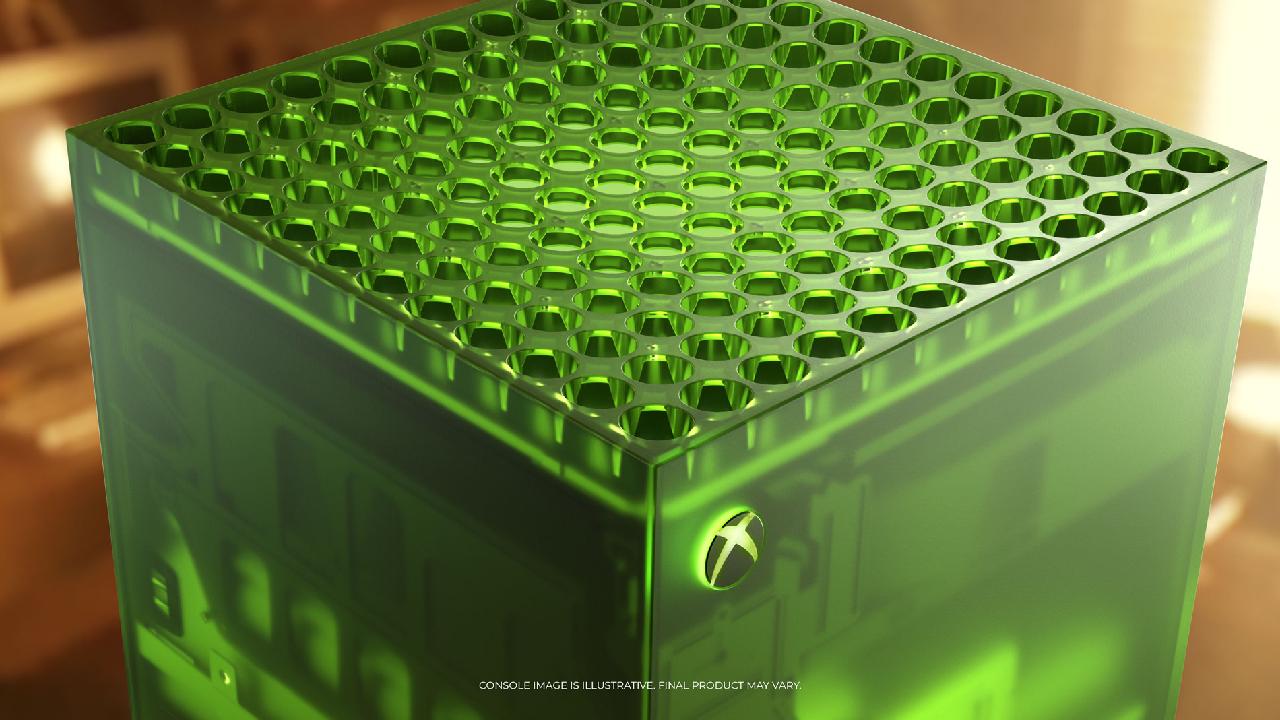
AMD's Zen6 Reveal and What it Means for XBOX
Zen 6 is one of AMD's biggest generation-to-generation gains ever and the first to be done on a 2-nanometer process, according to Lisa Su, the AMD CEO. Leaked specs also indicate the Xbox chip, code-named Magnus, is a Zen 6 plus configuration with a 4.7GHz clock speed, representing a 30% boost from the CPU upgrades from Xbox One X to Xbox Series X.
The leaked estimates indicate that the new Magnus chip could double the current generation's performance, with 120 fps being a targeted frame rate, instead of the 60 fps target that's relatively common today. It's also said that their onboard neural processing hardware is being used in conjunction with a future version of FSR upscaling that would attempt to emulate the image quality of native 4K video.
According to leaks, Project Helix is a console/PC hybrid that will run existing XBOX titles alongside PC games, and there will be a way to work with physical media with Project Helix as well; the leaks indicate that there will be a disc-to-digital conversion path, which would leave existing disc libraries intact, possibly using a connectible external disc drive.
Release Timeline and Pricing Expectations
The arrival of Project Helix is reported to be either sooner or later. Others have said that the early availability of components and manufacturing is why one might expect Microsoft not to delay beyond 2027. Other reports tie chip production to TSMC's manufacturing process, which would indicate a chip release later this year or in early 2027.
Both Xbox Series X and PS5 machines are currently close to $800, with Microsoft and Sony assuring dev support through a multi-year cross-transition between their current-gen machines, no matter when Helix comes. The price of Project Helix hasn't been announced, though it's expected to be even higher than $1,000 due to the hardware involved.
Recent Xbox Series X price changes, which caused the console to move closer to $800, are sometimes used as a benchmark for the new console's price. But this comparison is hypothetical, not proven. One of the cost-cutting plans reportedly being considered is changing the memory setup, as RAM is one of the more expensive parts of a gaming rig.
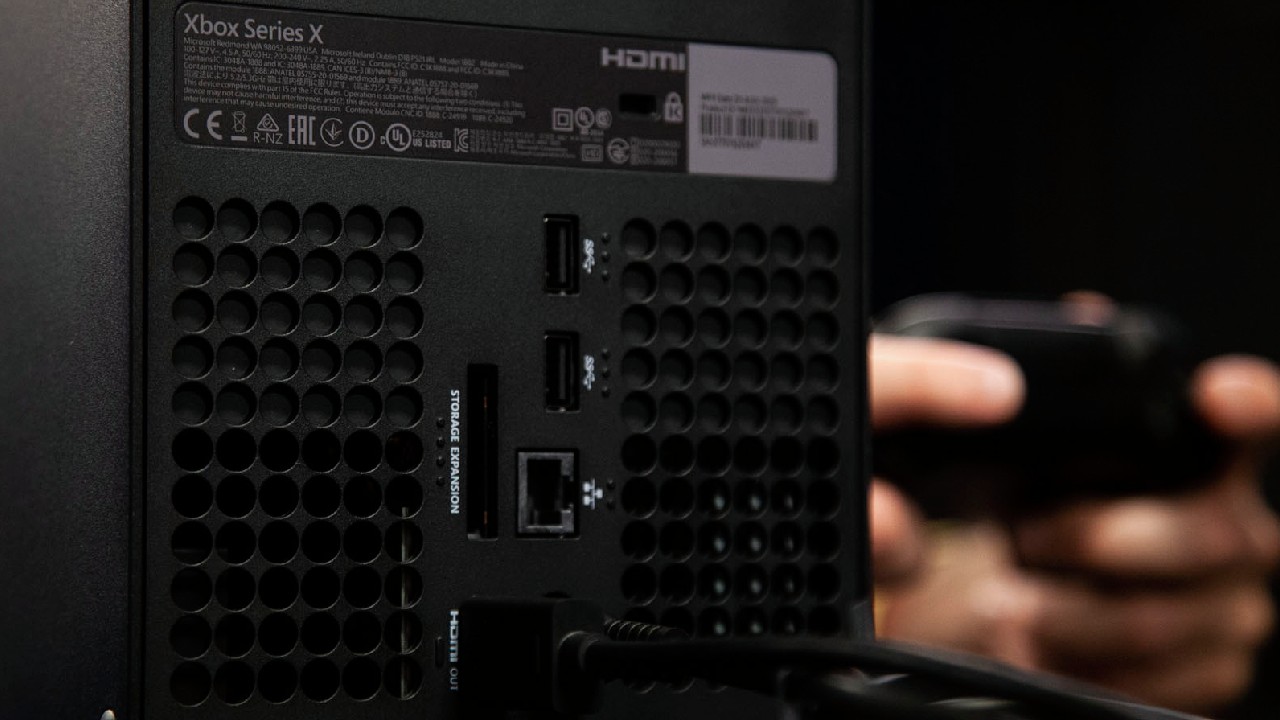
There is a wide range of sources providing leaked data regarding the total memory.
Some sources said approximately 24GB up to 48GB of GDDR7, and some of them talk of a shared pool of graphics and system memory. Then there's storage capacity, which, according to some leaks, is at the base level of 512GB, but not 1TB to 2TB as was previously thought.
This will help bring down the retail price, but will necessitate separate storage upgrades by consumers. Microsoft has had the XBOX All Access program before, which was a financing package consisting of a fixed-period subscription to XBOX Game Pass Ultimate plus a console purchase.
The same is likely to be true of Project Helix, too, which means that buyers should have a choice to make without making a significant dent in their finances. At the same time, the console is likely to be even more expensive than the previous generation.
Editor, NoobFeed
Latest Articles
No Data.