
AI Bubble Concerns Grow as Market Valuations Rise
AI spending, stock valuations, new Radeon graphics hardware, and Nvidia's CPU platform highlight changes across technology markets.
Hardware by Shinji Okazaki on Jul 31, 2026
Concerns over an AI bubble are growing as companies continue investing hundreds of billions of dollars into AI infrastructure. One warning sign is the Shiller PE ratio, which indicates that the stock market is trading at levels seen only once before in modern history.
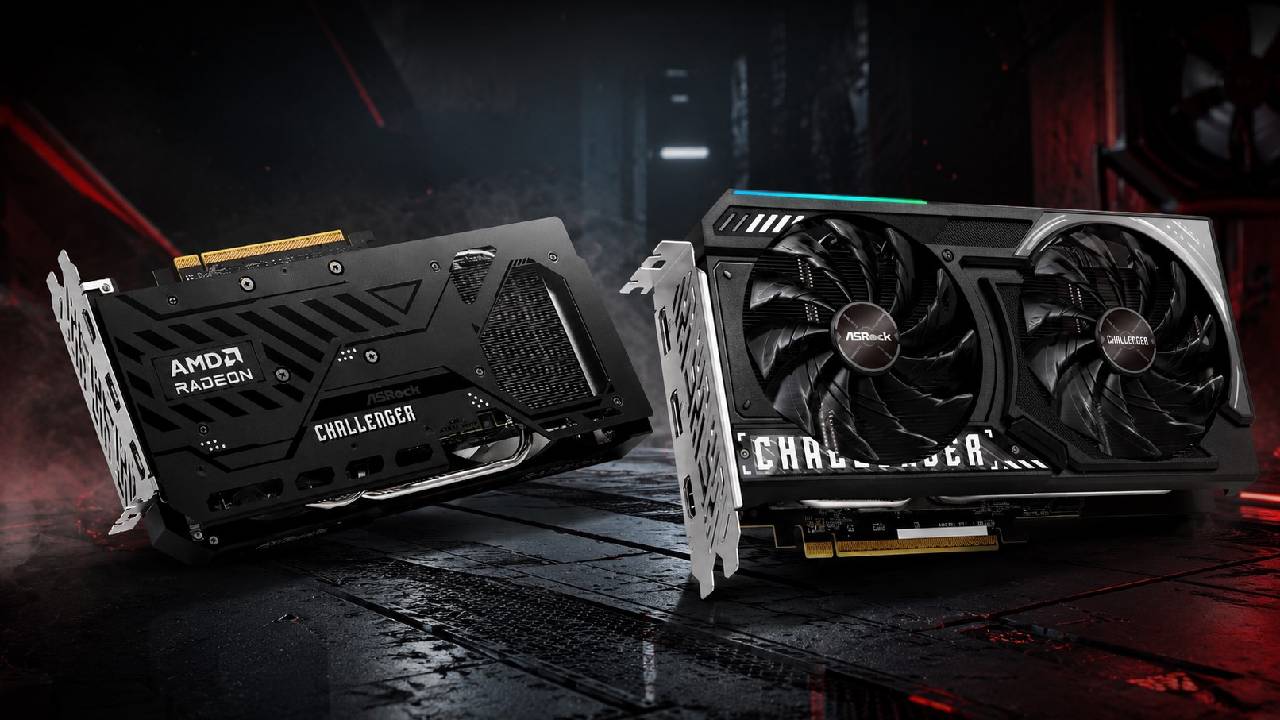
At the same time, AMD has launched the Radeon RX 9050, while Nvidia's first consumer-focused gaming CPU has appeared in an early prototype review. The Shiller PE ratio may sound complicated, but the basic idea is simple.
A normal price-to-earnings ratio compares the current price of a stock with a company's earnings. A PE ratio of 10 means the company is worth 10 times its actual earnings. The problem is that earnings can jump or collapse in a single year because of a recession, temporary shortages, tax changes, or another unusual event.
The PE Ratio Raises Bubble Concerns
Instead, the Shiller PE ratio takes the price of the entire S&P 500 and compares it with the average inflation-adjusted earnings of those companies over the previous 10 years. In other words, it attempts to smooth out temporary changes and show how expensive stocks are compared with their normalized long-term profits.
According to the latest available reading, the Shiller PE ratio is currently over 40. That means investors are effectively paying more than 40 times the S&P 500's average inflation-adjusted earnings from the past decade. The ratio's historical average is around 17.4.
By this measurement, the stock market is valued at more than twice its historical norm. The highest Shiller PE ratio ever recorded was approximately 44.2 in December 1999, before the dot-com bubble burst. There have only been two periods when the ratio consistently remained above 40: the dot-com bubble and the current period. According to the report, the ratio has remained slightly above 40 since May.
That does not mean the market is going to collapse tomorrow. During the dot-com era, it took roughly 11 months after crossing 40 before the ratio reached its peak of 44.19 in December, and the decline began roughly 14 months after crossing 40. There are also reasons why the current situation may not develop in the same way as 2000.
AMD Launches the Radeon RX 9050
Unlike many dot-com companies, today's largest AI businesses generate revenue, cash flow, and profits. Many are not companies with a website, three employees, and a business plan written on a napkin. Even after considering those arguments, it is difficult to look at a ratio above 40 and claim that stocks are cheap.
The market is pricing in future growth, and that growth increasingly depends on AI spending producing profits at a similar scale. That may happen. AI could transform the economy and allow companies to grow into their valuations. The internet also transformed the economy, but that did not stop the dot-com bubble from collapsing. A technology can be real while the prices investors are willing to pay for it are still disconnected from earnings.
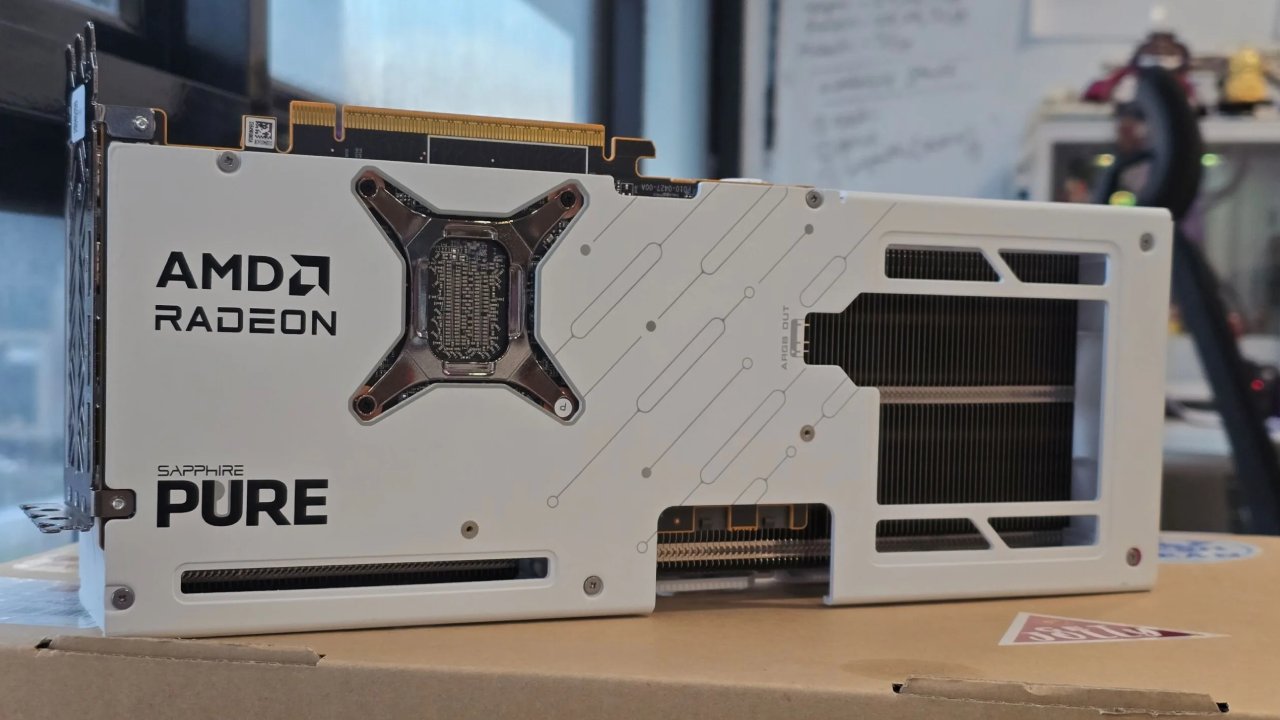
AMD has launched the Radeon RX 9050. The GPU is based on the RDNA 4 architecture and comes with 16 CUs, a boost frequency of 2600MHz, a game frequency of 1920MHz, and 8GB of GDDR6. As far as performance goes, the 16-CU configuration limits what the card can deliver. AMD did not launch the GPU with independent reviews, so the available performance data comes from AMD's own benchmarks.
At 1080p with medium settings, the card does not perform at a high level. The results use native rendering, which gives a direct look at the GPU's performance without relying on frame generation or performance upscaling. The main issue is the $279 price tag. At that price, the performance shown by AMD raises questions about where the RX 9050 fits in the market.
There is also a 9050 model with 4GB of GDDR6. The 8GB version is the standalone card, while the 4GB model is available through a CyberPower PC pre-built system at Best Buy. The 8GB standalone version is not available in the US. For buyers in the US, the 4GB model is the available option through a pre-built system. The decision is unusual, especially because 4GB GPUs are now becoming part of the market again.
Nvidia RTX Spark Prototype Shows Mixed Results
Nvidia's first consumer gaming CPU has received its first review after a tester reportedly obtained a prototype Microsoft Surface tablet equipped with Nvidia's RTX Spark. The chip appears to be an early engineering sample, which explains some of the problems found during testing.
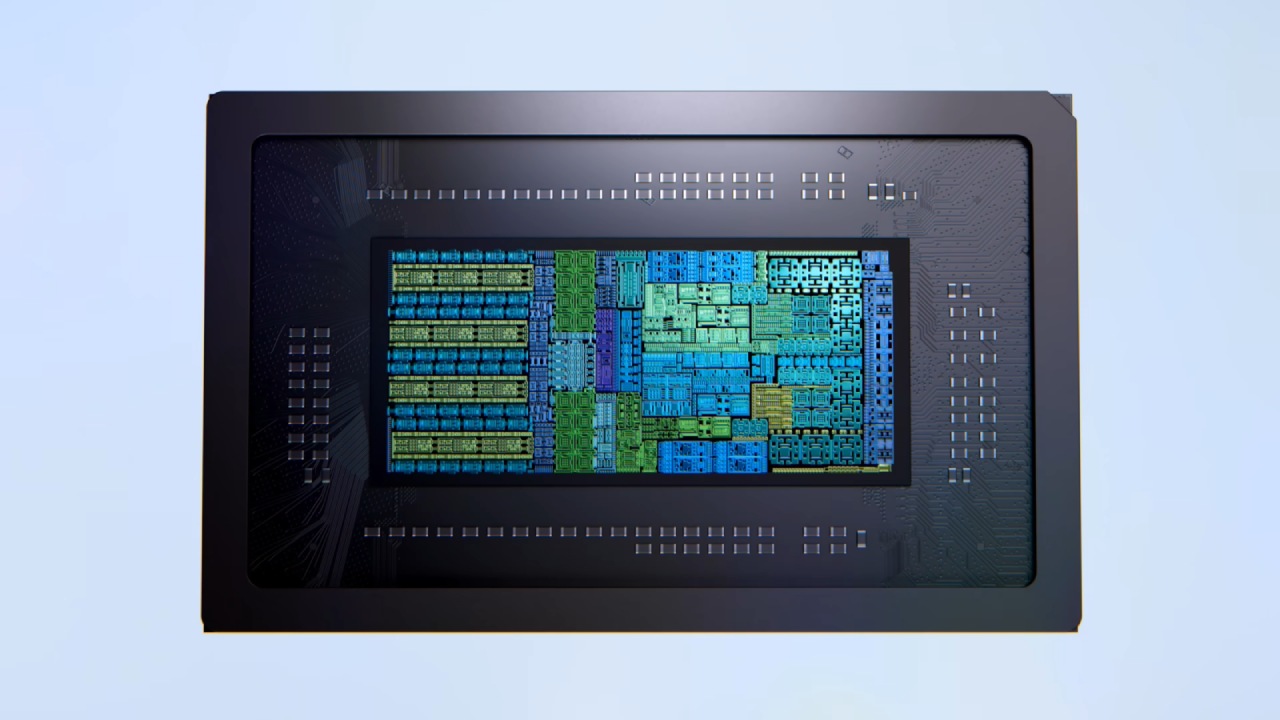
The system uses the top-end N1X configuration with a 20-core ARM CPU, a Blackwell GPU with 6144 CUDA cores, and 24GB of unified memory. In Cinebench 2024, the CPU scored 1386 points in multi-core and 123 points in single-core. In Cinebench 2026, it reached 5771 points in multi-threaded testing and 540 points in single-core testing.
The CPU performance appears to be around Apple's M3 Max. For Nvidia's first mainstream Windows processor, that puts the CPU in a competitive position, although it does not establish a lead over existing processors. Gaming performance tells a different story. According to the tester, the GPU constantly moved between 1.5GHz and 2.3GHz, causing stuttering roughly every 6 seconds.
A newer Nvidia driver did not resolve much of the problem.
Performance also remained almost identical whether the system was running on battery with its normal 64W limit or pushed to 105W. Some workloads and games could even crash the system, with Helldivers 2 reportedly failing after only a few minutes.
CUDA-based AI tests refused to run. Best performance mode used another 8-12W with almost no measurable benefit, while desktop idle power consumption reached as high as 23W. Temperatures also reached high levels. The CPU repeatedly reached between 98°C and 100°C, while the GPU generally operated between 80°C and 88°C. This is an early prototype running unfinished drivers.
The results should not be treated as final retail performance. The hardware shows that Nvidia's approach can compete in CPU and GPU performance, but the software and gaming implementation still require work. RTX Spark could eventually become a competitor to AMD, Intel, and Apple, but Nvidia has more work to complete before the product is ready for consumers.
Editor, NoobFeed
Gaming Hardware Updates
No Data.