
Steam Deck Price Hike Reshapes Handheld Gaming
Rising Steam Deck prices are reshaping the handheld gaming market and pushing buyers toward newer hardware and Android alternatives.
Hardware by Naheyan Tahmin on Jul 31, 2026
As prices keep going up, the PC handheld gaming market is changing. The price of a Steam Deck is much higher now than it was in the past. However, new handhelds and Android-based devices are making more choices available at a range of prices. It's become more important for people looking for portable games to know the difference between price, speed, battery life, software, and setup.
Steam Deck is finally back in stock, and somehow that is the bad news because now the 512GB Steam Deck OLED is listed at $789. The 1TB model is now listed at almost $1,000. The worst part is that the Steam Deck is not the only handheld getting hit with higher prices. The Legion Go S, a device a lot of people were finding at around $600 during the holidays, is now showing up closer to $1,500.
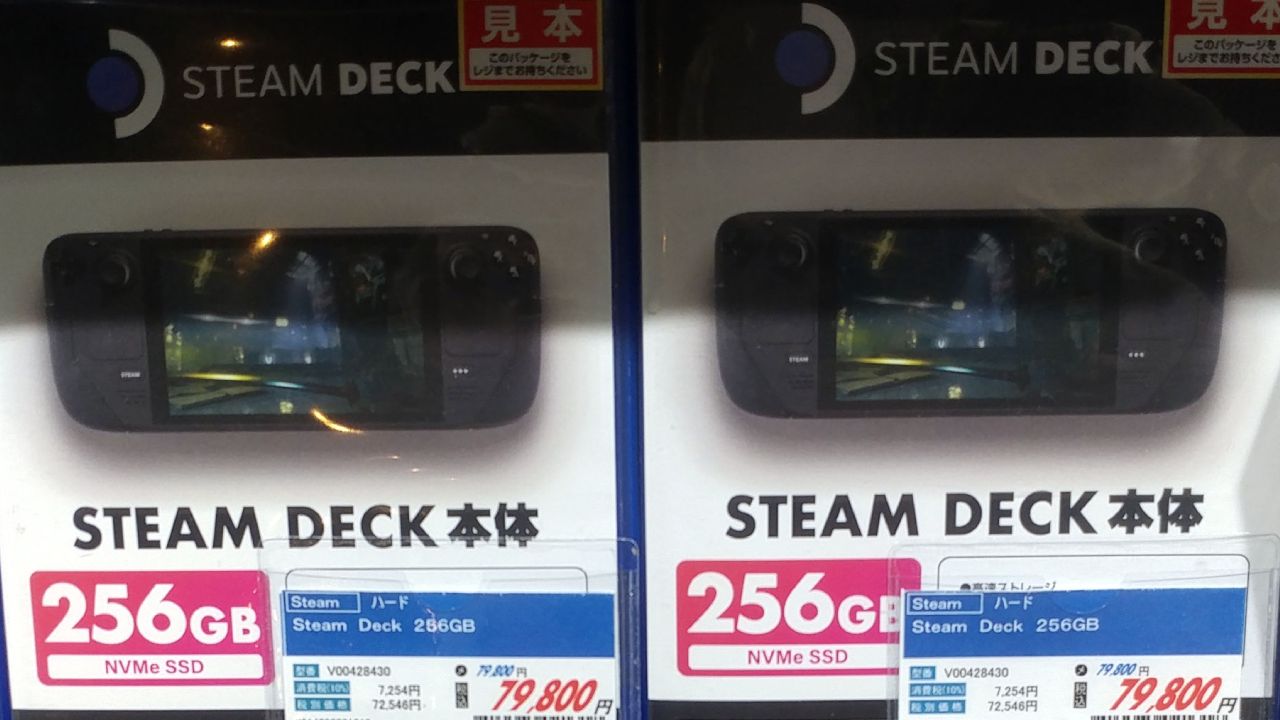
Steam Deck Prices are Changing the Handheld Market
That completely changes the conversation because the Steam Deck used to be the safe budget entry point. You could recommend it without telling someone to hunt for a deal, wait for a sale, or gamble on the used market. If you wanted to get into PC handheld gaming, you could just buy a Steam Deck and know you were getting value in the space. But now that value is starting to disappear, which leaves the question of what happened to affordable PC handheld gaming.
For the last few years, the Steam Deck used to be the easy answer. But now at almost $800 for the cheaper OLED model and almost $1,000 for the 1TB version, we are not sure this is the comeback people wanted. Part of us wishes Valve had let the Steam Deck ride off into the sunset instead of bringing it back at prices that change what made it special in the first place.
But if PC handhelds are going to keep getting more expensive, we need to start talking about what people should buy instead. PC handhelds are getting more expensive, and the frustrating part is that the price is increasing faster than the experience is changing. When the Steam Deck is almost $1,000, people are going to start looking elsewhere to get more for their money.
New Handhelds are Changing the Value Equation
This is where the ROG Xbox Ally series of handhelds becomes more interesting. For some reason, the standard ROG Xbox Ally still starts at around $600. Xbox Ally X with the Z2 Extreme comes in at around $1,000. That is a lot of money for a handheld, but with everything happening in the market, the pricing makes the comparison with the Steam Deck different.
Normally, we would look at a $1,000 price tag and say that is a lot of money for a handheld, and it still is. But now that the 1TB Steam Deck is $949, the Ally X does not look as expensive as it used to. For roughly $50 more, you are getting the newer Ryzen AI Z2 Extreme processor, 24GB of RAM, 1TB of storage, Windows compatibility, XBOX integration, Game Pass support, and access to other PC storefronts.
XBOX experience is better than plain Windows, but it still does not provide the same console-like experience as SteamOS despite the XBOX branding. Overall, the Steam Deck still has a smoother out-of-the-box experience for a lot of people. But when the Steam Deck is nearly, if not more expensive than newer hardware with more power, the Xbox Ally and Xbox Ally X start looking good.
So, if you are set on x86 handhelds, the Xbox Ally series is where we would start looking first. The white Xbox Ally gives you a lower-cost entry point, while the Xbox Ally X gives you more power than the Steam Deck. In this market, those two devices make more sense than paying almost $1,000 for the same Steam Deck hardware that has been around for years.
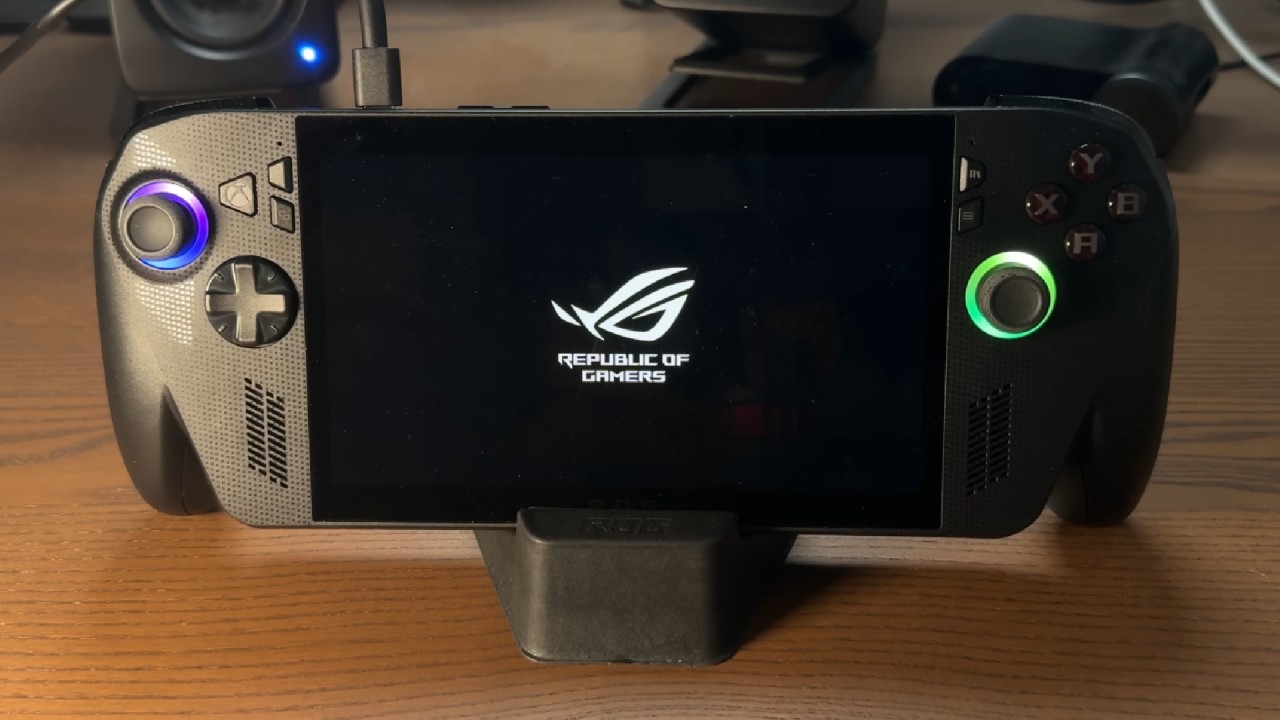
Android Handhelds Offer Another Option
With all that being said, this is probably where our opinion has changed the most. We do not think everyone should automatically move from a Steam Deck to another x86 handheld. A lot of people should look at Android handhelds instead. Odin 3 is one example. Four months ago, we made a video about the Odin 3 where the point was that you do not need to upgrade every year.
We still believe that if you already have something like the Odin 2 Portal and it already plays the games you care about, the Odin 3 may not be a necessary upgrade. Today, we are looking at it as an alternative to an increasingly expensive PC handheld market. From that perspective, it makes more sense. The base Odin 3 starts at $339, and the Max model gives you 16GB of RAM and 512GB of storage for under $500.
You get a compact handheld with a 6-inch 120Hz AMOLED display, Android 15, an 8,000mAh battery, Hall effect sticks, and enough performance for a large library of games. Add to that the improvements with GameNative, which gives you access to a lot of your PC game libraries like Steam, improved driver support for the Snapdragon 8 Elite, and emulators that can take advantage of the hardware.
The Odin 3 starts looking like an entry-level option that can play a lot of the same games as the Steam Deck. It is not as streamlined an experience. These Android handhelds require a lot of setup when you first get them, but thanks to the internet and people like Russ from Retro Game Corps and many others, there are guides to get these devices set up. But it is still an Android device, so it is not a Steam Deck replacement for everyone. For a lot of people, though, it might be the better buy right now.
Choosing Based on the Games You Play
This is why you need to be honest about what you actually play. When people talk about handheld PCs, they often talk like everyone is trying to play the newest AAA games at the highest settings. But there are a lot of people who just want to play indie games or go back to older titles from PlayStation or GameCube, which is where the Xbox Ally and Odin 3 make more sense.
But if we are being honest, we would skip the Xbox and just get the Odin 3. That is our opinion. With the current market for PC handhelds, if you really want the most power, getting an Apex makes more sense. A 32GB Legion Go 2 with a Z2 Extreme is around the same price as a device with enough power to run an entire racing simulator.
The power behind the Ryzen AI 395 is far beyond the Z2 Extreme. So, you really need to think about what you want to play because, in today's market, it comes down to the two ends of the market. The mid-tier category is expensive while also offering less power than other options.
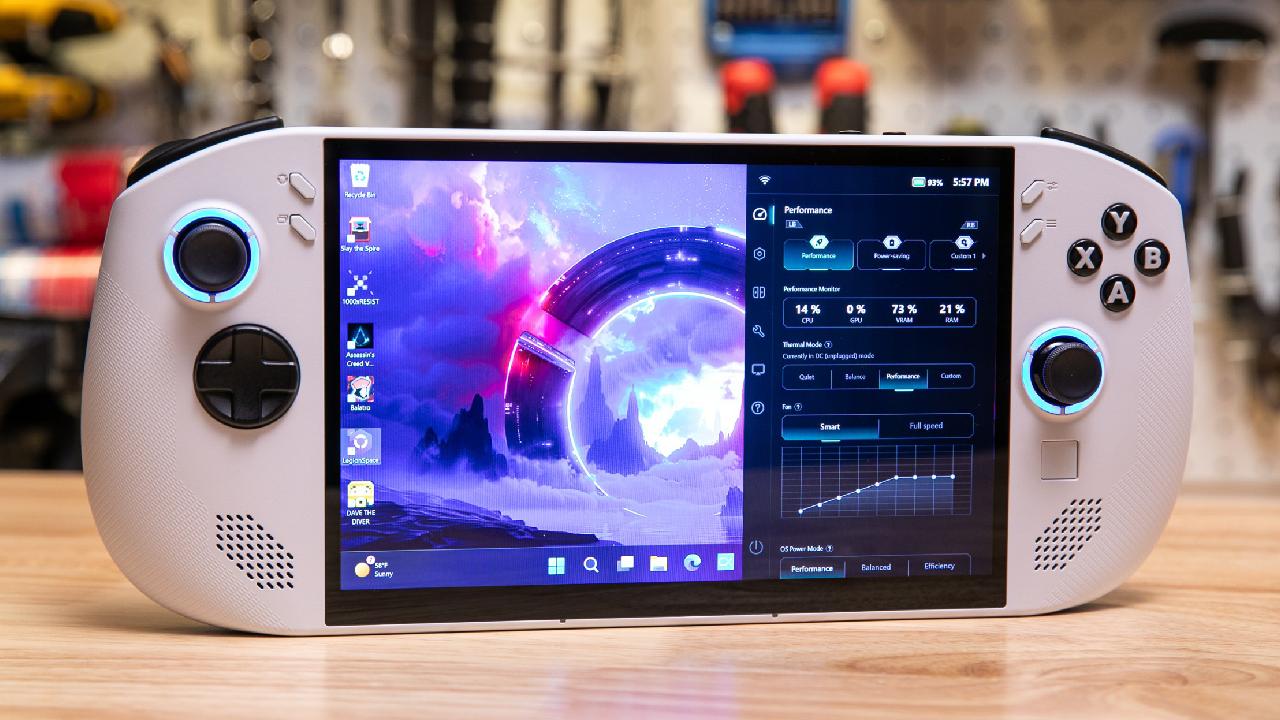
How to Buy a Handheld Right Now?
Here is how we would recommend buying a new handheld as of the making of this video. If you really want the best mix of price, screen size, battery life, and performance, we would seriously take a look at the Odin 3, especially the Max model. For under $500, it gives you enough power for a large amount of gaming and avoids the pricing changes happening in x86 handhelds today.
This is the device we can recommend to someone who wants to get into handheld gaming but does not want to spend laptop-level money. Option number two is the white Xbox Ally if you still want x86. If you want PC handheld gaming and want to buy brand new, the Xbox Ally series is where we would look first.
The third option is to buy used. The used market may be the smartest option of all. Look at Facebook Marketplace, pawn shops, forums, Discord servers, and local listings. We would caution you about eBay because we have seen Steam Decks go for high prices, but in some cases there might still be deals if you are looking for other handhelds.
Steam Deck is one of our favorite devices to this day.
We still bring that device out and play some of our favorite indie games, but those prices are high. Rumor has it Nintendo might be doing the same with the Switch 2 soon. With that being said, as much as we would like to say sit and wait, we no longer think that is feasible. As the old saying goes, yesterday's price is not today's price, and tomorrow's price might actually be worse if this trend continues.
Steam Deck helped make PC handheld gaming more accessible, but higher pricing is changing how the entire category needs to be evaluated. For buyers today, the choice is no longer simply about buying a Steam Deck. It is about deciding how much power, software flexibility, battery life, and setup you need for the games you actually play.
Editor, NoobFeed
Gaming Hardware Updates
No Data.