
The Blood of Dawnwalker's Devs Prioritize Creative Vision Over Sales
The team behind the upcoming RPG just reaffirmed a mindset most studios are too nervous to say out loud.
News by Mymunah Tasnim on Jul 30, 2026
For those of you who have been following The Blood of Dawnwalker, there is an interview that was conducted a little while back that seems to be circulating yet again. Although the interview is not new, it is now resurfacing. And honestly, it's worth revisiting.
The core idea is simple: sales are treated as secondary. According to the people behind The Blood of Dawnwalker, chasing numbers first is a recipe for a game that eventually falls apart creatively. Instead, you're supposed to build the game for the game's sake, and let sales follow naturally from that.
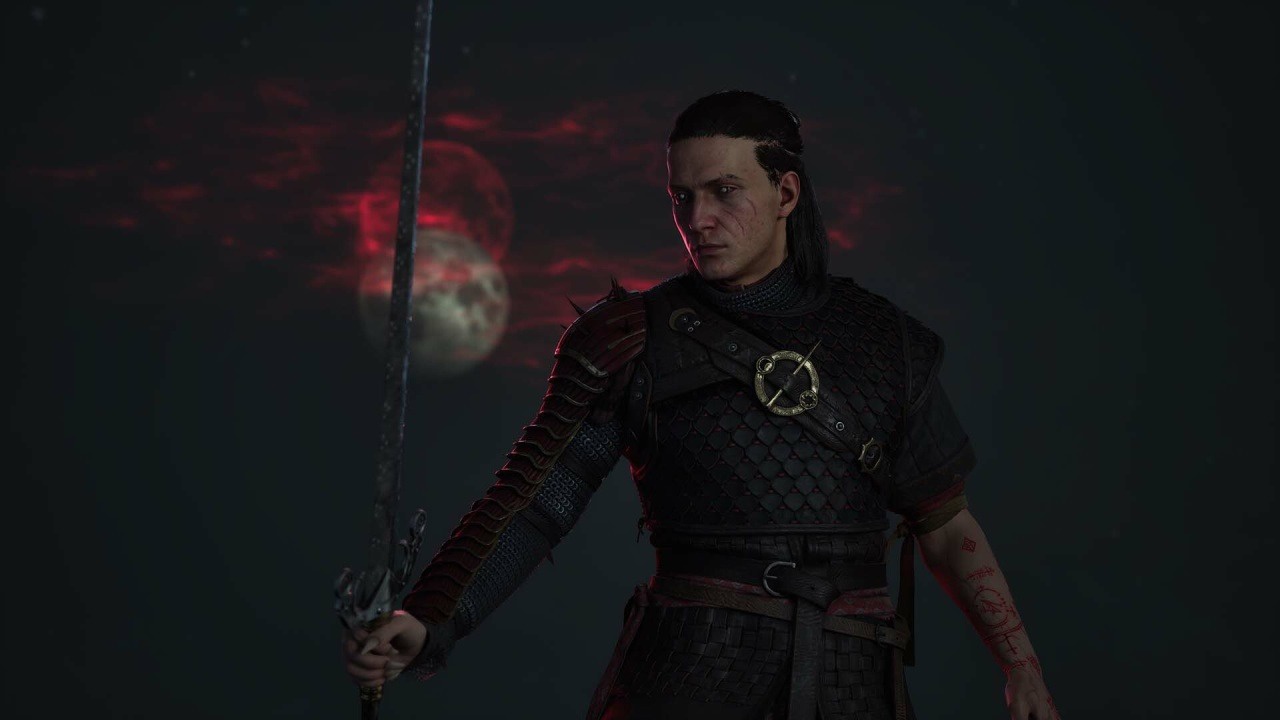
You believe in the vision first, and the business side takes care of itself.
This came up because the developers were asked what would need to happen for them to keep moving forward with their long-term plans. And that's a bigger question than it sounds like, because this isn't just one standalone release anymore. While this initially was meant to be a smaller-scale project, things have clearly come a long way.
At this point, you're looking at a full trilogy that's already mapped out, with a team that seems ready to jump into a sequel almost immediately if given the green light. So when they were asked what benchmark would justify continuing that plan, their answer wasn't really about charts or numbers. It was about mindset. And that's the kind of response you want to hear from a studio, even if it's rare in practice.
To be fair, this isn't a dig at anyone who does think about sales, because obviously sales matter to some degree. No studio can completely ignore them. But the real point being made here is about why you're making a game in the first place. That's the part worth agreeing with. You want developers to be building something because they're passionate about it, because they believe in it, because they have something they actually want to say or show.
Not because it's simply the next product on a release calendar. That kind of belief has to come first. Otherwise you end up with games that feel like they're just another entry, another number, another item people are expected to buy because it exists. Of course, there's nuance here too. Having the right intentions doesn't guarantee anything.
You could go into a project believing you're creating something meaningful and still end up with a game that gets treated as just another product on a shelf. It can go either way.
And a big reason the team behind The Blood of Dawnwalker can even say this with confidence is because of where they stand. This is a group with serious pedigree, people who came out of The Witcher's development pipeline, with a clear plan and the experience to back it up. Saying "sales are secondary" hits differently when you're already in a strong position.
That's also where some pushback could come from, especially from smaller developers. Imagine you're not backed by a major studio's legacy. You're just a small team, maybe you and a couple of friends, spending years and a six-figure budget building something from scratch.
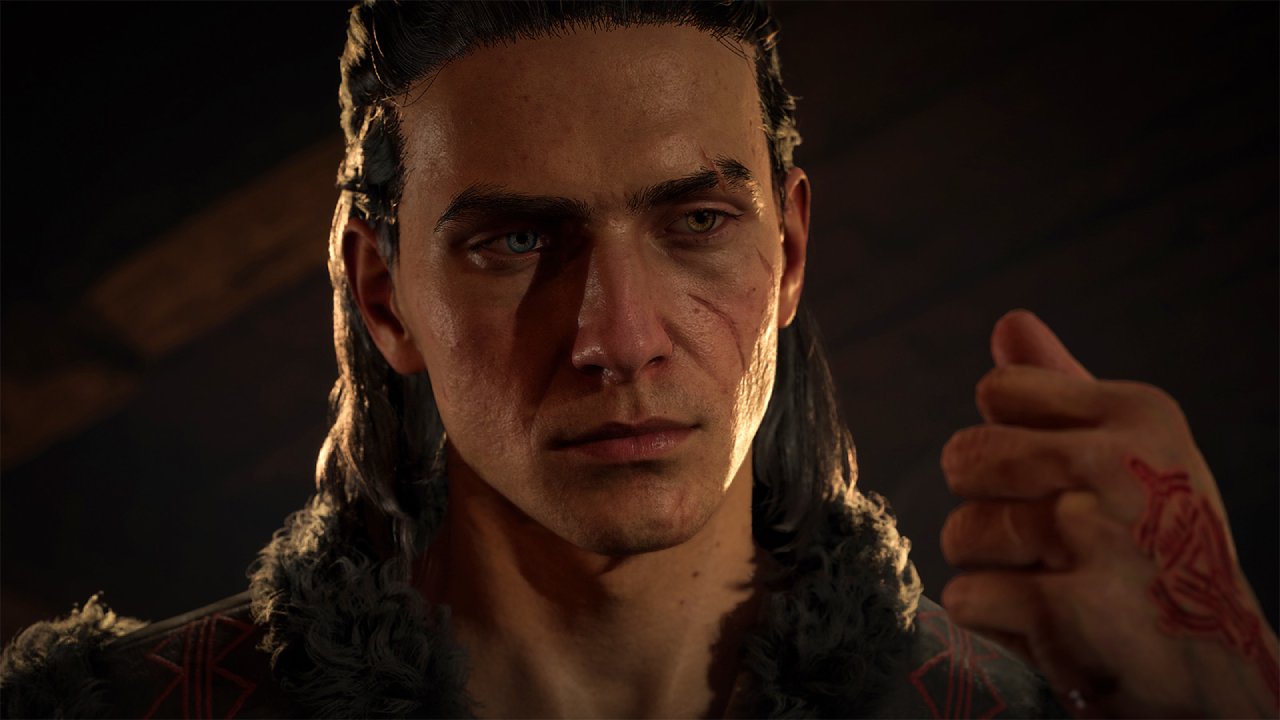
In that situation, sales matter a lot more than "secondary." You still don't want them to be the only priority, but the stakes are completely different when your livelihood depends on the outcome. So it makes sense that this kind of statement lands more easily coming from a studio like the one behind The Blood of Dawnwalker than it would from an indie team scraping by.
That said, this mindset becomes harder to hold onto the bigger a studio gets, and that's really the issue. Games are supposed to be a form of expression, whether that's through story, gameplay, art direction, or all of it combined. But with huge numbers, the element of personal contact is no longer possible. With hundreds of people taking part in the activity, it becomes hard to have any feeling of ownership for the same.
It starts feeling more like a product coming down an assembly line than a shared creative vision.
Think about a massive franchise where thousands of people have touched a single entry. That doesn't mean nobody involved cares, but it's fair to wonder whether that level of passion holds up when spread across that many hands.
Compare that to a smaller team of around fifty people working on something like Clair Obscur: Expedition 33. Even though far more people eventually interacted with that release overall, the actual core development team was tight-knit, which tends to come with a stronger sense of shared ownership.
When a few people construct something as a team, there is always a far greater feeling of everyone actually working towards creating the best product possible, and the results of the sales become secondary to that effort. That phrase- the idea that a genuinely good game will carry itself- actually lines up with something else that came from this same conversation, even if it doesn't get repeated as often.
The belief there is that you have to trust the work itself to succeed, rather than engineering everything around guaranteed commercial performance. That's the mentality being pointed to as the right one, even if it isn't a mindset every studio is capable of pulling off.
.jpg)
It's also worth remembering that great intentions don't always translate into great sales.
History is full of excellent games that didn't hit the numbers people expected. Look at something like Gravity Rush 2, a genuinely fantastic entry in a beloved franchise that still only moved around two million units. That's not really a commercial win by industry standards, even though plenty of people, including longtime fans, would call it one of the best games in its genre.
Or look at the struggles certain acclaimed studios have faced with their own passion projects over the years. Being great and being profitable aren't the same thing, and sometimes they don't overlap at all. So while the finish line might look different depending on a studio's size, resources, and backing, the mindset going in still matters. And that's really the reason this conversation is worth bringing up again.
Hearing developers talk this way builds a certain kind of trust. It suggests that when The Blood of Dawnwalker eventually releases, you're getting something built because the team wanted to make it, not because it was designed from the ground up to hit a sales target or chase a legacy comparison to something like The Witcher. Obviously, good intentions alone don't guarantee a good game.
Talk is easy, and plenty of projects have said the right things without delivering. But if The Blood of Dawnwalker ends up being as strong as the team clearly hopes it will be, then this kind of mindset going into development will look justified in hindsight. This whole conversation resurfacing now is a reminder that not every studio out there is only thinking about numbers, even in an industry where that's often the assumption.
Editor, NoobFeed
Related News
No Data.