
Why Your Next Favorite Game Might Never Touch a Disc
Other by Nestee Shy on Sep 23, 2026
It may sound nostalgic, but buying a game disc used to feel special. The booklets, artwork, physical maps, and the smell of opening a brand-new video game case were exciting. Those times are now a thing of the past, as more and more video game studios completely ditch that path.
The physical version of Alan Wake 2 was never released—not a delayed one, not a limited edition, just not one at all. Remedy's director said it made sense to skip burning discs, packaging them, and shipping them to players worldwide, especially since most players would download a large day-one patch anyway before playing. A decision that once attracted headlines by itself no longer even raises a ripple.
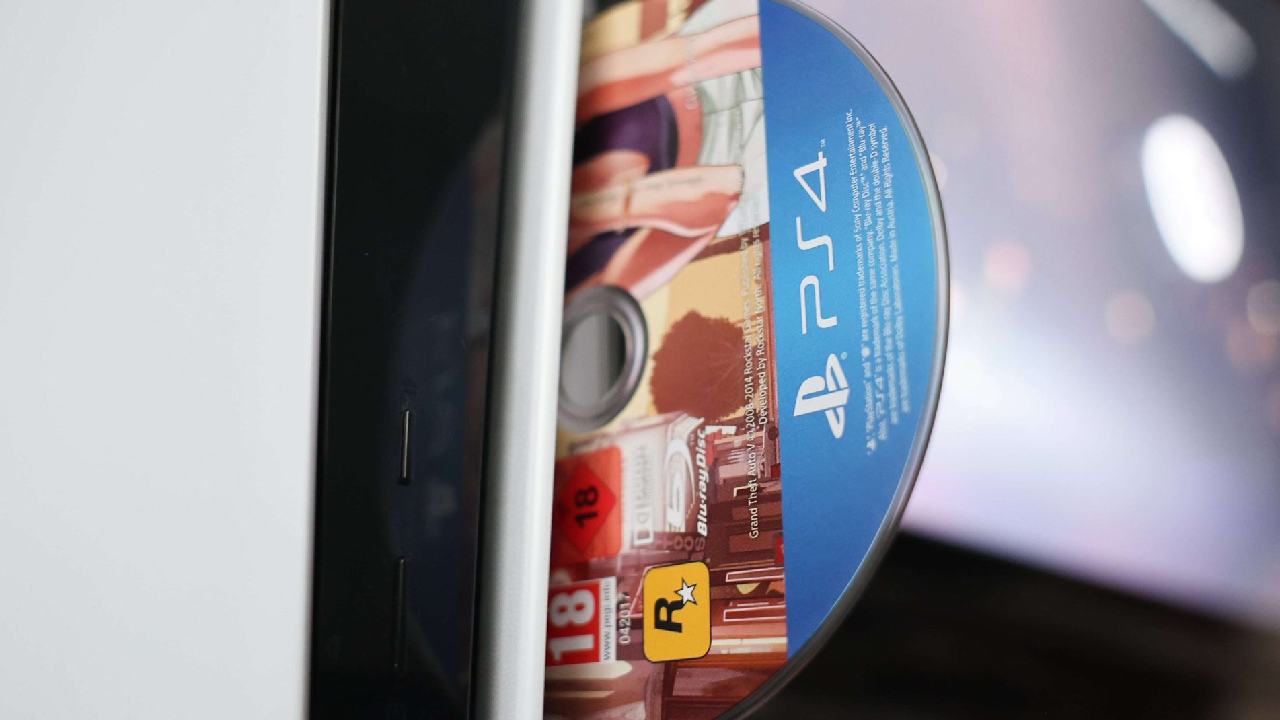
The much-anticipated GTA VI will also come out in digital format only, prompting pleas from fans worldwide for Rockstar to make a physical copy as well.
Roughly 70 percent of game sales now are digital downloads. That number would have sounded absurd fifteen years ago when Steam was still the exception. Physical media hasn’t vanished. But it’s shrunk into something closer to a niche than a default, and the reasons behind that change are more practical than sentimental.
The Convenience Argument Cuts Both Ways
Digital’s biggest selling point is also its most obvious one: instant access. No waiting for a truck, no trip to a store, no disc to misplace. That convenience matters enormously to plenty of players, and it's a real reason digital has grown as fast as it has.
This preference for immediate, download-based access also shows up in other areas of entertainment. Streaming has long since replaced physical media in both the film and music industries, and in the iGaming sector as well, the same kind of convenience-oriented approach underlies platforms like Anjouan online casinos, where instant digital access has always been the main feature rather than something added later.
But convenience for the buyer isn’t the same thing as convenience for everyone. Rural and low-bandwidth players still struggle with massive AAA downloads that can take hours or days depending on connection speed. A hundred-gigabyte install isn’t a minor inconvenience if your internet plan has a monthly data cap, and it’s exactly the group physical media used to serve without anyone thinking twice about it.
Why Publishers are Walking Away from Discs
The economics tell most of the story. Manufacturing, packaging, and shipping a physical disc costs real money per unit, something like four dollars a copy according to industry estimates, and that cost climbs before a single copy reaches a store shelf.
Digital distribution avoids almost all of those steps. There's no need for warehouse space, no retail commission, and no unsold stock remaining in a discount bin six months after the product's launch.
Sony’s own decisions reflect this math directly. NoobFeed covered the company’s disc production cuts earlier this year, tracing how shrinking physical demand pushed manufacturing partners to scale back well before any official announcement confirmed the shift publicly.
It wasn’t a single decision. It was more of a gradual pullback that became visible only when people started asking why physical copies were getting harder to find on release day.
Ownership is the Argument That Won’t Go Away
Beyond convenience and cost, there’s a harder question sitting underneath this whole change: who actually owns a digital game once you’ve bought it.
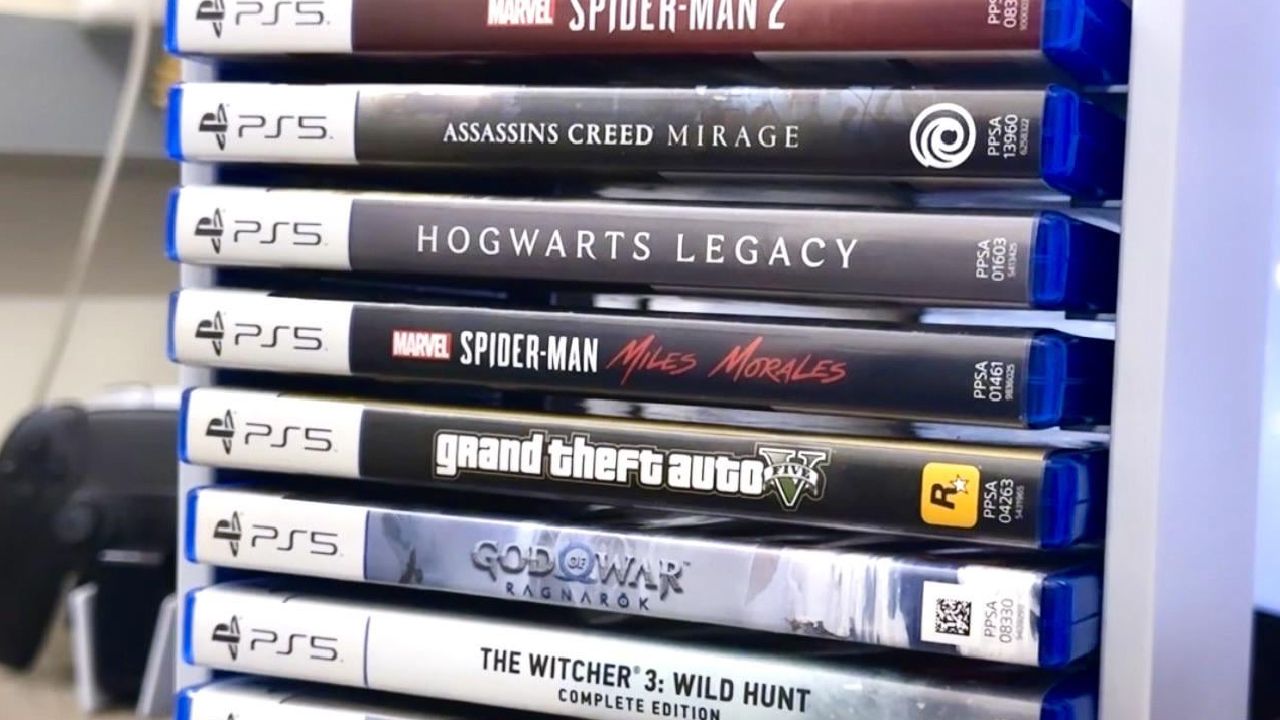
A physical disc keeps working even if a publisher’s servers shut down, a storefront closes, or a company goes out of business entirely. A digital license tied to an account and a live server has no such guarantee, and the list of delisted games that became unplayable after losing digital support keeps growing every year.
That concern isn't just theoretical; GamesCreed has reported a genuine increase in demand for physical discs as streaming subscription prices have risen and digital ownership has come under increasing public scrutiny, presenting this as a direct reaction on the part of consumers who have begun to lose patience with having to pay for something they don't have full control over.
It's a small trend next to the overall digital change, but it’s nothing, and it points to a real anxiety a lot of players share even if most of them keep buying digital anyway out of pure convenience.
Who’s Actually Betting Against the Trend
Not everyone is following digital’s lead. A few holdouts are doing well specifically because they didn’t.
Limited Run Games built an entire business around boutique physical releases for games that would otherwise launch digital-only, and the company has reported year-over-year growth since starting in 2015.
Nintendo has also placed greater emphasis on physical media than most of its competitors, and the way it has set prices for Switch 2 game cartridges has kept boxed versions meaningfully relevant on that platform in a way most other consoles can no longer match.
The fact that the split exists tells us a lot about the market; digital distribution isn't universal, being most prominent in the case of high-budget, fast-moving AAA titles, since day-one patches and frequent updates make the physical disc seem almost symbolic.
Record collectors, independent publishers, and platforms with a truly engaged audience for physical media have found a real, though smaller, opportunity to keep discs relevant.
Where This Actually Settles
Nobody serious expects a full swing back to shelves lined with jewel cases. The economics favor digital too strongly, and that gap isn’t closing anytime soon.
The disc isn't vanishing altogether, however. Instead, it's taking on a smaller and more intentional role: it is no longer the standard method that most people use to buy games, but rather a particular option for those who value permanence, resale value, or just like having a physical item to keep after the download bar has disappeared from the screen.
The real story here isn’t discs versus digital as a binary fight with one clear winner. It’s an industry sorting out, title by title and publisher by publisher, which parts of the old physical model are actually worth keeping around, and which parts were just how things used to be done before anyone had a faster alternative.
Moderator, NoobFeed
Latest Articles
No Data.