
The Future of PC Handhelds Needs More Than Performance
PC handhelds have improved significantly, but thinner designs, smaller sizes, better ergonomics, and upgradeable memory remain important priorities.
Hardware by Shinji Okazaki on Aug 30, 2026
The PC handheld industry has been growing as more devices reach different price points and offer more ways to play PC games. However, rising RAM prices are creating pressure across the market. While the RAM crisis isn't destroying handheld gaming, it is making new devices more expensive and could change which handhelds become viable.
Whenever we talk about these handhelds, it is only a matter of time before somebody says the words "RAM crisis." It carries a lot of weight, especially given the current circumstances: ever-soaring RAM prices and, from where we stand, no real end in sight in the short to medium term. Right now, RAM is so expensive because of AI.
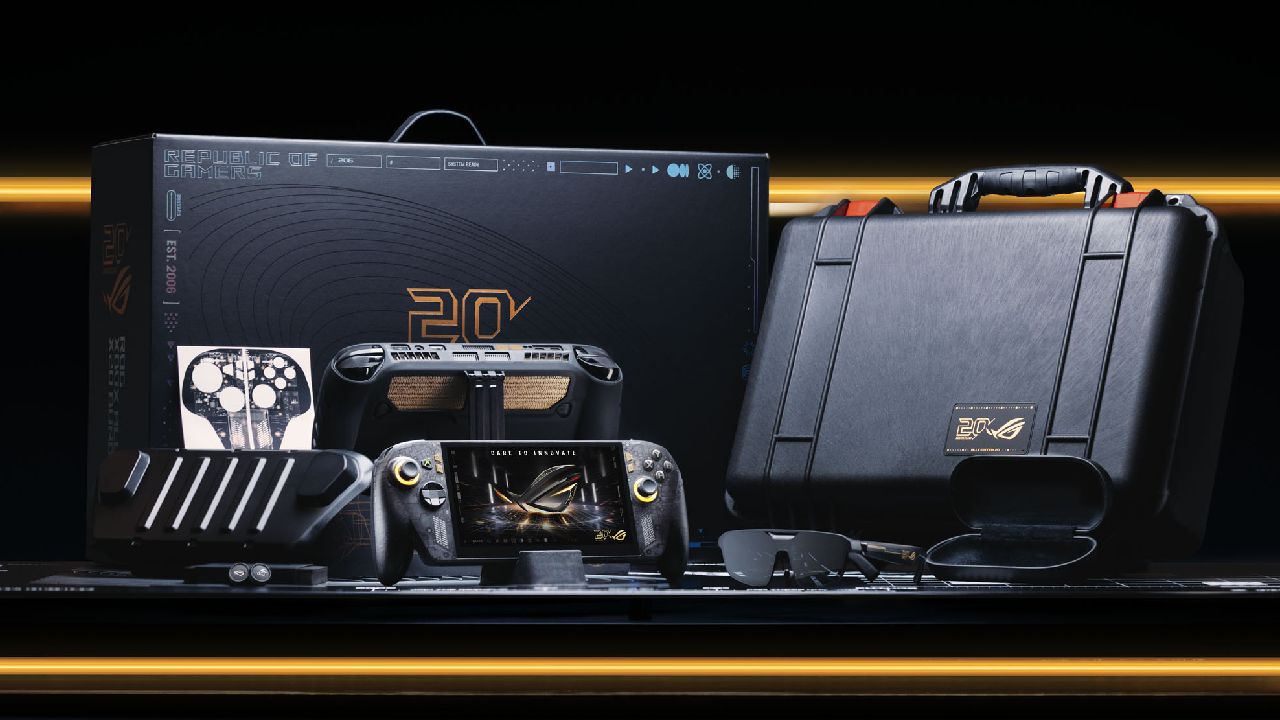
RAM Crisis is Changing PC Handhelds
RAM prices aren't necessarily destroying handhelds. They are still being made, and people are still buying them, but they are pricing out so much of this new community. What this community needed most was to stop being a niche, high-end product. It needed to be more diversified, with more changes in styles and formats, and different handhelds at different prices.
With the ever-decreasing power needed to play modern games, and the increasing ease of power delivery for newer, more powerful APUs, it seems that, at least before 2026 and technically some parts of 2025, the industry was on a trajectory toward a huge renaissance of these PC handhelds. Developments and breakthroughs could have brought prices down to more realistic levels.
The likelihood of a next-gen PlayStation handheld, and even Microsoft's looking to partner with other companies, proves that the concept is valid. Right now, however, it is not quite feasible. It is not necessarily due to a lack of interest, but to a lack of products that can realistically be purchased at the price points people usually pay for these handhelds, for a broader consumer base.
The average consumer isn't looking to buy the next new AYN or GPD device. That's for the more niche, high-end PC gamer. These other, more economical consumers aren't looking to spend more than $700, and that's the top end. Ideally, we want these around $300 to $700 for their higher-end premium SKUs, at least from major manufacturers.
The Mid-Range PC Handheld Could Disappear
What do we think is going to happen? At least in the near to short term, the moderately priced PC handheld just won't exist. We won't get a new Legion Go-like device. We won't see many of these more budget-oriented devices unless they start shipping with less than 16GB of memory. Given that you need at least 16GB for Windows 11 to run decently well these days, we don't realistically expect them to do that unless they start selling more native SteamOS- or Linux-based handhelds.
We could imagine a world where we get a 12GB model of something akin to a Steam Deck running SteamOS. Realistically, you could probably get away with 2GB or even 4GB of VRAM and 8GB of RAM to play a lot of older and niche titles. You wouldn't need the full 16GB to play Super Meat Boy or Stardew Valley. It could be seen as more of a last-generation, indie-hits kind of system, or, more generally, something designed to run easier modern games. Maybe a world where that exists.
We do think you're starting to encroach on Android handhelds, given how massive that sector has become and how it's dominating that same price bracket. You start to wonder what the point of a PC handheld is when you could just buy an Android- or ARM-based handheld, especially with the recent news that Valve is making strides in bringing SteamOS to ARM-based devices.
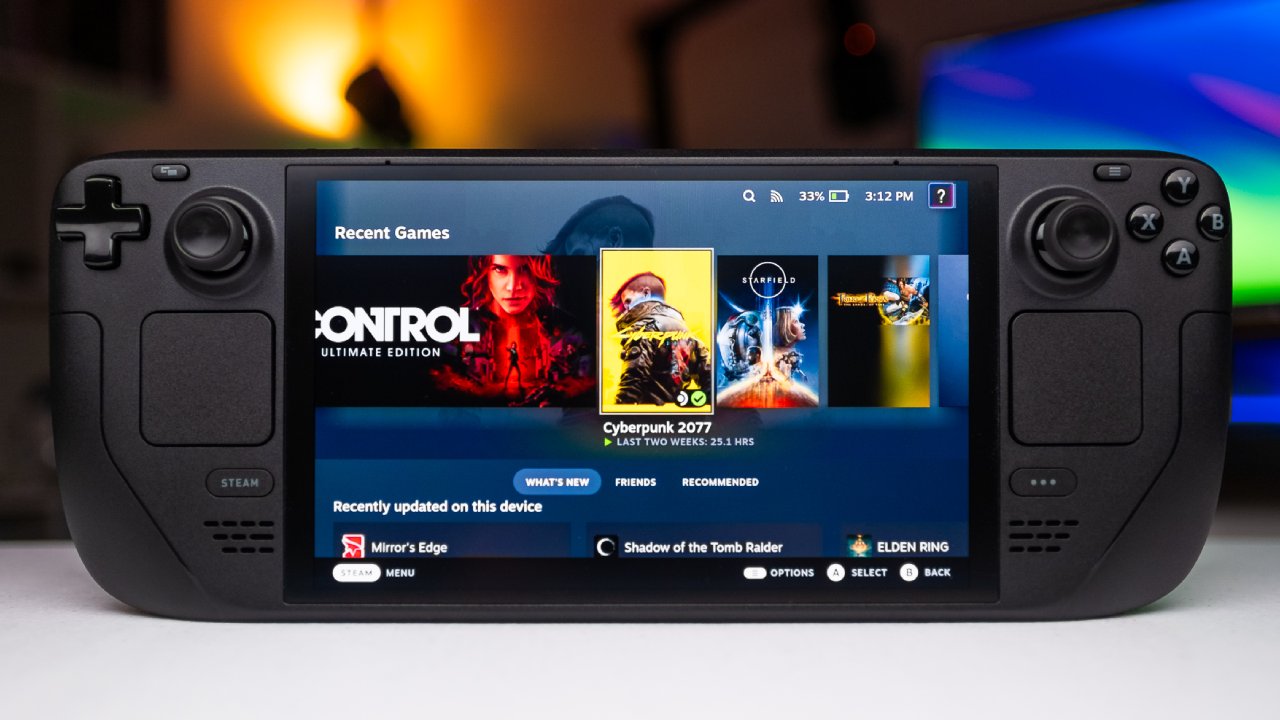
Higher RAM costs could divide the handheld market.
It makes you wonder what the point is of these more budget handhelds when cheaper alternatives are coming down the line. It also begs the question of what we truly consider a PC handheld. If it's running SteamOS, isn't it functionally a computer? We don't change the nomenclature when we're talking about MacBooks. Those are still computers, even if they're running on ARM.
Do we think an ARM-based PC handheld is likely? We think that's the future we might be heading toward because they are cheaper to produce, at least compared with something like the OneXPlayer Apex or whatever their next handheld is called.
Maybe that's the future. We see cheaper, easier-to-produce Android- or ARM-based handhelds dominating the budget-friendly mid-range sector, while proper PC Windows- and SteamOS-based devices that aren't ARM rule the higher-end $800-plus tier.
We aren't opposed to that idea. We definitely think ARM is where the industry is headed. You can have a significantly thinner device and a significantly more efficient processor, and maybe even pairing it with some of those Nvidia or AMD GPUs would be something you could theoretically do.
Editor, NoobFeed
Gaming Hardware Updates
No Data.