
Ghost Recon: Project Over Feature Cuts Amid Management Crisis
A grounded, brutal new direction for the franchise, plus the features that may not make the cut.
News by Mymunah Tasnim on Jul 15, 2026
In case you have been looking forward to the next release in the Ghost Recon series, now you have something concrete to look at, since it seems that Ubisoft is about to reveal some real information about their upcoming game.
The next project within the franchise will reportedly go by the name of Project Over and, according to some sources, it will be totally unlike its predecessor, Breakpoint. In other words, this is not a simple happy story. In addition to the positive facts, there have been several stories that show the process has not been easy at all.
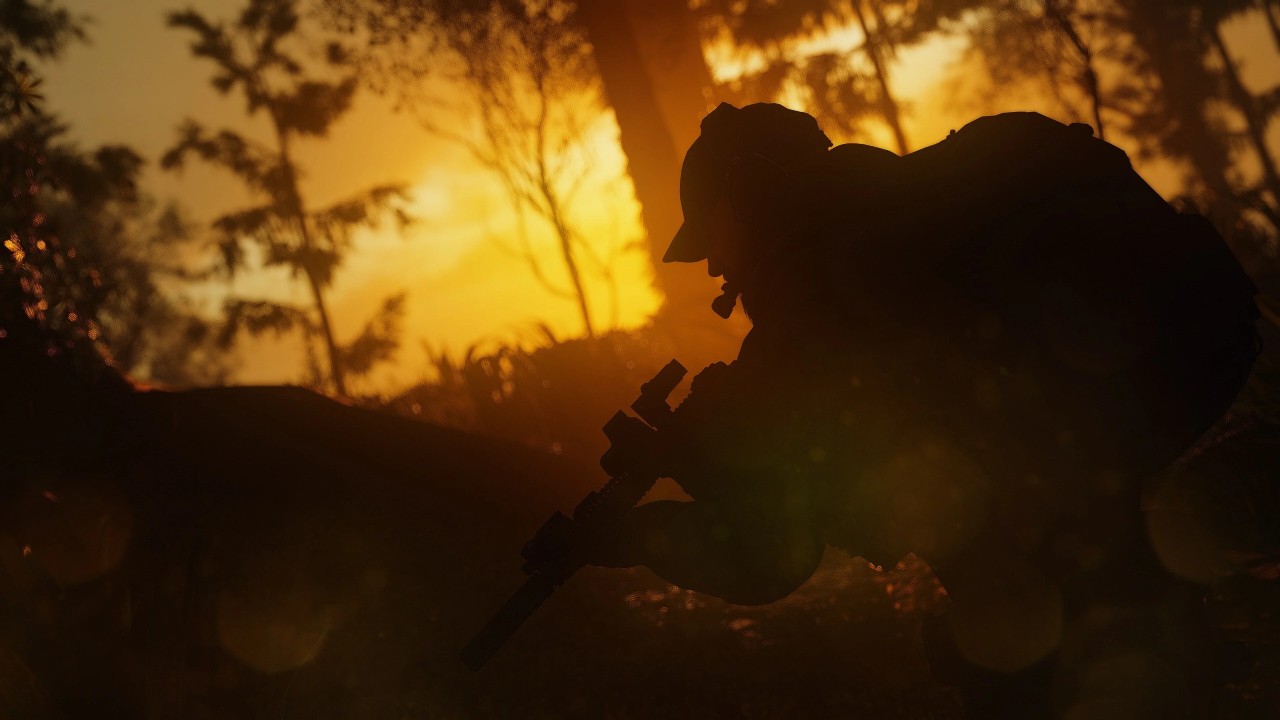
In accordance with insider sources, Project Over is still planned for its release in 2027; however, in reality, it faces significant problems.
In fact, the development team behind the game recently failed a critical internal review. Because of this, Ubisoft has shifted structural oversight of the project to Creative House 2 (a specialized spin-off division overseeing major tactical IPs like Splinter Cell and The Division) and brought in outside executives to salvage the timeline.
Now, let’s talk about the actual place where the action is going to take place. You are leaving your old places, like Bolivia and the fictional islands of Auroa from the previous Breakpoint. This time, it seems like the next Ghost Recon game will be set in a fictional war called the Naiman War that takes place in a fictional Southeast Asian country.
Well, such a setting suits a military tactical game really well. You should expect thick jungles, distant villages, extensive mountain regions, and large cities in one huge open world. What makes this system unique is the ability for each mission to be uniquely performed based on your style of play.
For example, you can recon an enemy outpost from the mountain top, infiltrate their base via the jungle entrance, or wait until nighttime and disable their power in order to ambush them quietly and eliminate their presence. It is something that has always been unique about the Ghost Recon series, but it seems like Project Over takes this concept to a whole new level.
Combat is also expected to hit much harder than what you experienced in Breakpoint.
Enemies are said to behave more realistically, and gunfights could be a lot deadlier. Things like ammo management, positioning, and overall tactical awareness are apparently going to matter far more this time. Charging into a compound with no plan probably won't end well for you, which lines up with what a lot of longtime fans have been asking for.
The open world itself is also expected to be more than just a map covered in icons. Reports point to a system where you're encouraged to gather intel, scout locations, and stumble onto operations naturally while exploring, rather than just following a marker.
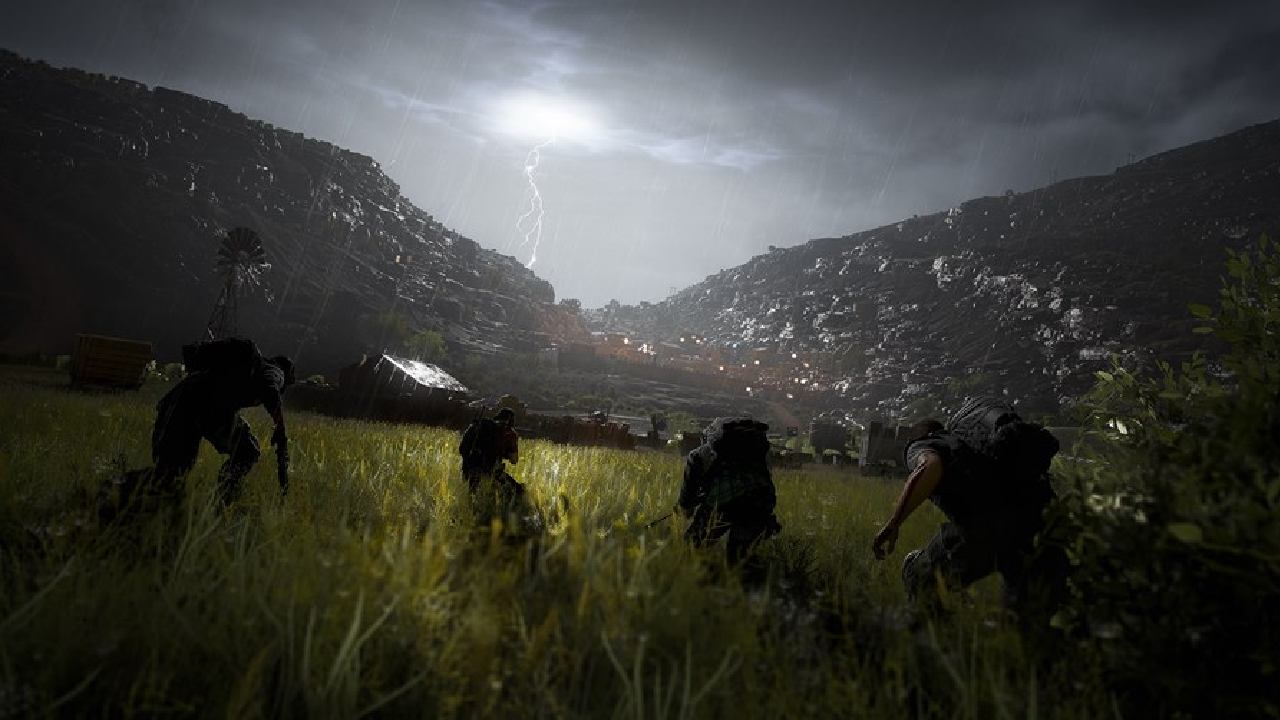
That could mean investigating an area, talking to the right people, intercepting enemy chatter, or piecing together information that leads you to your next job. Missions could even play out in different orders depending on how you move through the world, which, if Ubisoft pulls it off, could make the whole thing feel a lot more alive and unpredictable.
Unlike Wildlands and Breakpoint, the game is reportedly shifting to a strictly first-person perspective with no option for third-person. Mission variety is another big focus. Word is that Ubisoft is planning dozens of different mission types for the next Ghost Recon game.
This includes hostage rescues, sabotage runs, intel-gathering ops, assaults on military compounds, high-value target eliminations, equipment recovery, and disrupting enemy supply lines. Some missions reportedly won't be about wiping out every enemy in sight; you might need to sneak into a guarded compound, grab intel, and get out clean, or destroy a piece of equipment before backup arrives.
With the addition of the day/night cycle and changing weather conditions, each mission can become unique based on the time of day at which it takes place.
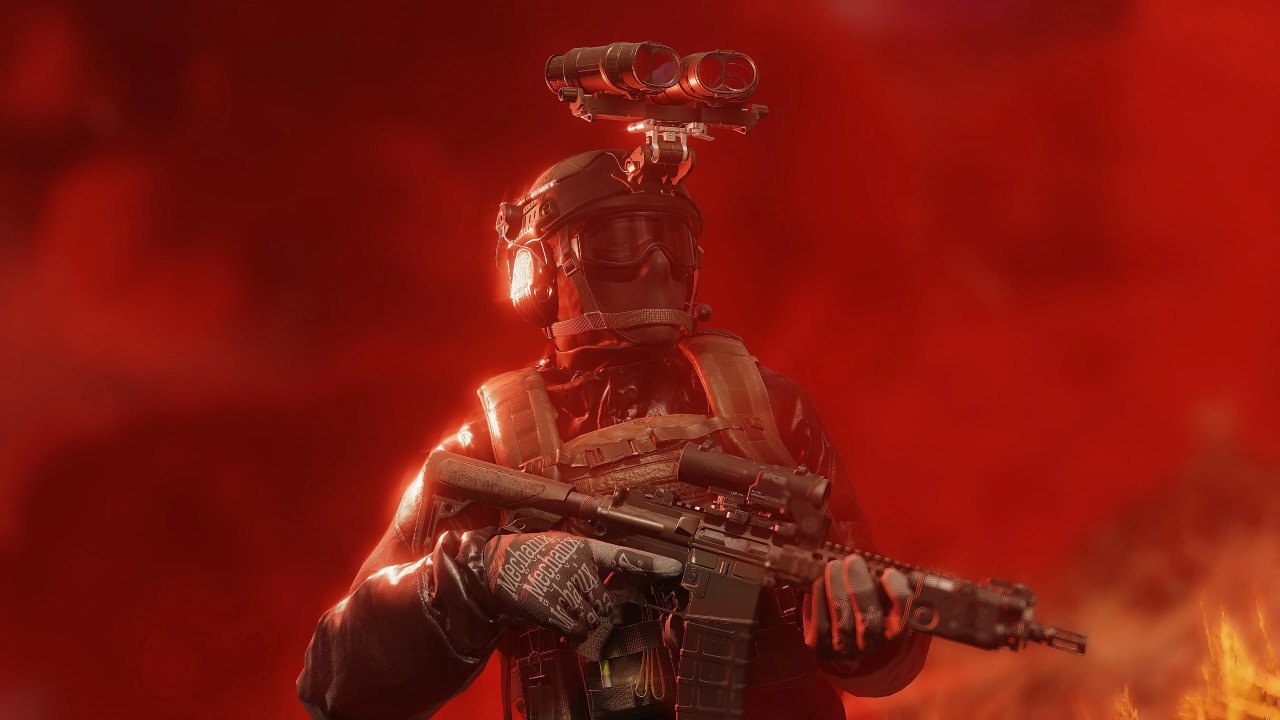
Fighting during the day may involve long-range combat and positioning, whereas fighting during the night can become a stealth mission where night vision and silencers would be key. Weather conditions such as rain and fog can decrease visibility, thereby making it easier to get close to enemies but harder to shoot them at long range. It is exciting on paper.
Customization of weapons is another feature that we may expect to see again, as it seems fitting in light of what this series is known for in terms of customization of your arsenal. However, according to one of the latest leaks, Ubisoft cut back on their plans for the weapon workbench that they initially had in mind. Their goal had been ambitious, but the deadlines left them no choice but to reduce it.
This brings us to the broader context within which this game is developing. It appears that Ubisoft has had to scale back its plans as a result of problems such as unrealistic deadlines and mismanagement. Various features of this game appear to be on hold because of this, and some seem to be quite major.
One of the bigger ones: helicopters have reportedly been removed from the game, at least for now, since implementing them properly was seen as too risky given the current timeline. That stings a bit, since flying with your squad and landing near a target was one of the most memorable parts of Wildlands. Losing that could change how you get around the map entirely.
Features get cut, reworked, and reinstated all the time during production.
Still, since the game is early in development, it's possible that helicopters make a comeback later, so this probably isn't set in stone. Other reported cuts or delays include proximity mines, the deeper weapon workbench system, camp jammers, the ability to rescue tied-up hostages, enemies dynamically executing hostages, foes shooting from moving vehicles, and an entirely new in-game currency system.
That currency idea has apparently been swapped out for more traditional military credits instead. None of these cuts alone sinks the project, but together they suggest Ubisoft is making some tough calls behind the scenes to keep development moving.
And that's really what makes this next Ghost Recon such an interesting case. On paper, the pitch is fantastic, a grounded, tactical experience in a massive Southeast Asian open world with punishing combat, smarter enemies, intel-driven missions, and weather that actually changes how you play. But the reports of internal turmoil, shaky deadlines, and cut content are worth keeping in mind, too.
The real question is whether Ubisoft can hold onto the core vision even with a smaller scope. Fewer features isn't automatically a bad thing; a tighter, more focused game could end up being stronger than a bloated open world stuffed with half-finished systems.
It'll all come down to execution.
If the shooting feels good, the AI holds up, missions stay dynamic, and the world rewards actual planning, this could be the comeback the franchise needs. Rush it out the door too fast, though, and you risk repeating some of the same issues that hurt Breakpoint at launch.
That's a mistake Ubisoft really can't afford to make twice with a franchise this important. Right now, the next Ghost Recon is still reportedly on track for a 2027 release, so there's plenty of time left for things to shift, change direction, or improve before launch actually arrives.
Editor, NoobFeed
Related News
No Data.