
Steam Machine Price and Specs: Is SteamOS Worth It?
Valve's Steam Machine launches at a price shaped by ongoing memory and storage shortages across the PC hardware industry.
Hardware by Shinji Okazaki on Jul 17, 2026
Valve's Steam Machine is now competing in the small PCs space at a price point significantly influenced by ongoing memory and storage scarcity driven by AI data centers. This year, RAM and NAND chip prices have risen across the industry, leading to higher prices for several products, including Apple's Mac Mini, which is priced at $799, up from $599, with the same 16GB of RAM and 512GB of storage.
This is where the Steam Machine comes in: a small-form-factor console powered by SteamOS that offers a plug-and-play experience for those who want Steam's library running in a living room. Steam Machine adopts a smaller, cube-like design, similar to older console designs, larger than a Mac Mini but not very big compared to a full tower PC.
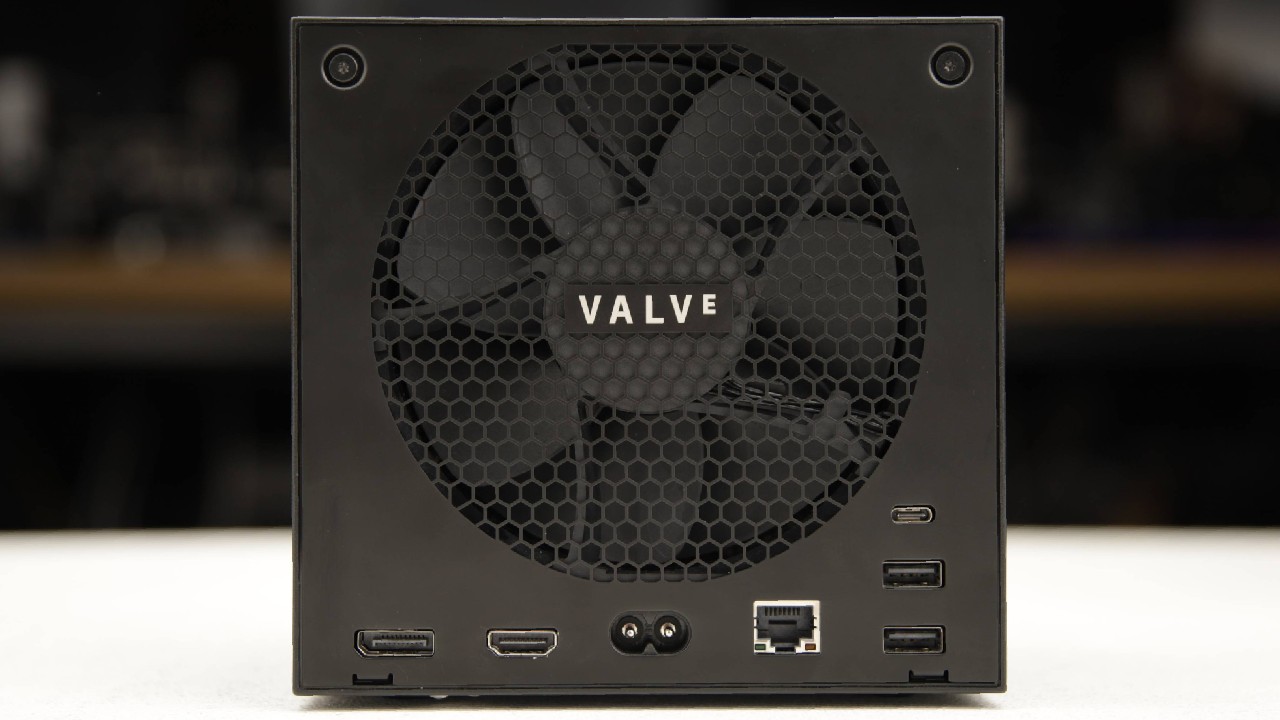
Design and Build
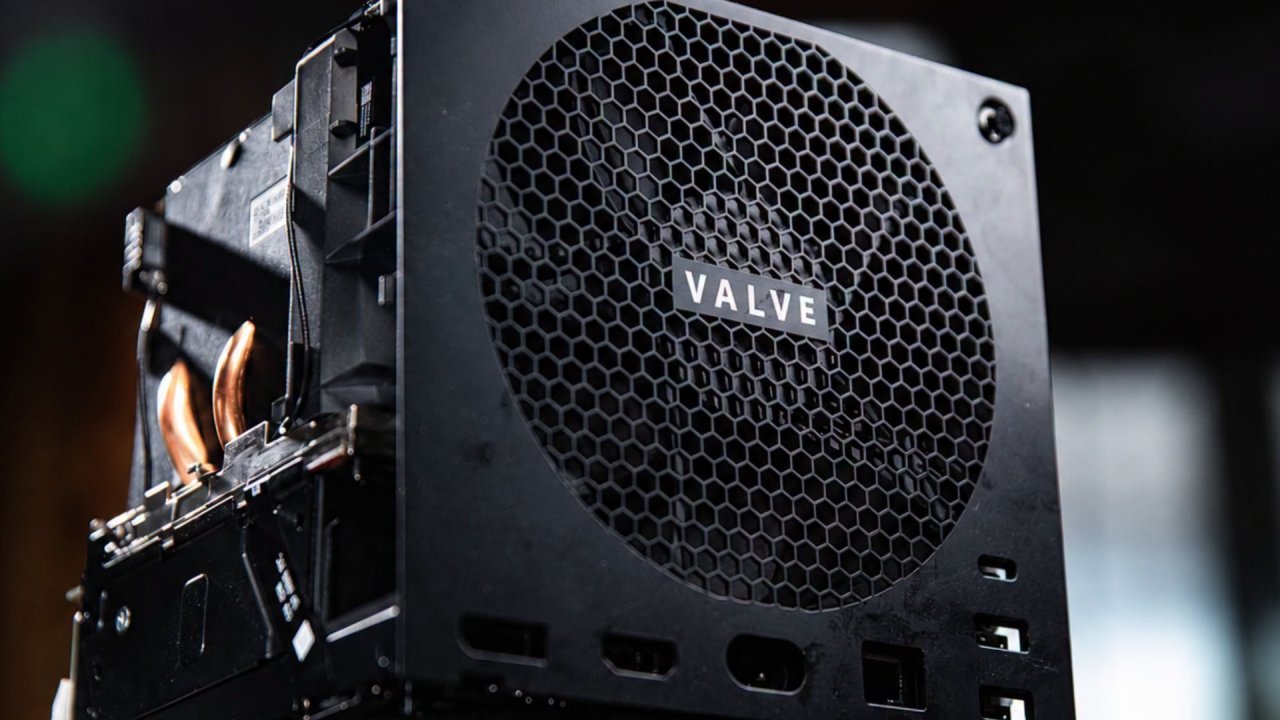
Valve installed a large heat sink and a fan at the back to ensure low noise levels even when the unit is on heavy duty, at the same level as a Mac Mini when tested under load. That figure is even more impressive given the PC's moderate size, which is part of what makes it a great option for building a compact machine, especially since most Mini-PCs tend to be loud unless you're manually cooling them.
The unit has two USB 3.2 ports at the front, and four USB-C ports, a DisplayPort output, and an HDMI 2.0 port at the back. The HDMI version has limited the device to under 8K output, which is what a machine that isn't designed to do 8K does. Also included is CEC support, which allows the Steam Machine and an externally connected TV to manage their own power state.
SteamOS is the best aspect of the offer. If you're familiar with Steam on PC, you'll know the same clean, intuitive interface, using Proton to run Windows executables on Linux. After years of development, the Steam Deck has been polished and made a bit leaner, with fewer menus, no forced pop-ups, and no data requests in the background on screen due to Windows. SteamOS is also open source, which means it can be installed on other machines, as long as they have AMD hardware. There are alternatives such as Bazzite.
Gaming Benchmarks
Valve originally advertised the Steam Machine for 4K gaming, and has since changed that pitch to "4K gaming with certain hardware, typically coupled with AMD chips and FSR upscaling and frame generation.
The game has been developed for native resolution, and the results are as follows: 71 fps at 1080p, 47 fps at 1440p, and 17 fps at 4K, all of which are far from playable. Switching to the FSR performance mode altered those figures to 105 fps at 1080p, 75 fps at 1440p, and 32 fps at 4 K. The 4K average was slashed to 53 fps with FSR performance mode and frame generation, which remains on the lower end of the spectrum when it comes to a game that's nearing its 6th birthday.
Black Myth: Wukong ran at 68 fps at 1080p, 43 fps at 1440p, and 22 fps at 4K natively. After switching to 50% of the scaling performance mode, 4K increased to 57 fps, with frame generation at 81 fps. Red Dead Redemption 2 was pretty good, as it managed to reach 98 fps at 1080p, 78 fps at 1440p, and 43 fps at 4K in native mode. FSR mode scored 1440p at 98 fps and 4K at 61fps, which was the best performance among the games tested.
Anno 117: Pax Romana was the worst of the games tested with 31 fps at 1080p, 25 fps at 1440p, and 17 fps natively at 4K. In performance mode, this went up to 42 fps at 1080p, 33 fps at 1440p, and 26 fps at 4K, but there are still difficult scenes with lots of on-screen activity at those higher resolutions.
The older version, Borderlands 3, performed well at 1080p at 55 fps, 1440p at 55 fps, and 29 fps at 4 K. The performance mode of the FSR made that number 119 fps at 1080p, 106 fps at 1440p, and 84 fps at 4K, making it the clearest example of a game appropriate for higher resolution on this kind of hardware.
The constant problem with the tests is the 8GB of dedicated graphics memory embedded in the Steam Machine.
4K resolution is usually achieved by upscaling and frame generation on that kind of GPU, and even then, it has some visible drawbacks. Steam Machine's FSR implementation is limited to 2x frame generation, compared to the higher frame generation rates offered by Nvidia cards. 1080p and 1440p were the two most consistent resolutions for the games tested, while 4K is generally only viable on older games, and not for the newest releases.
The most distinctive feature of the Steam Machine is SteamOS, an alternative OS to Windows that is less distracting and has no background processes. These are the operating systems that get the best press from SteamOS, Bazzite, and macOS when it comes to building something similar to Windows.
Editor, NoobFeed
Gaming Hardware Updates
No Data.