
Zen 6 Medusa Point Benchmark Leaks as RTX 50 Super Advances
A newly leaked Geekbench result shows an engineering sample CPU with 10 cores and 20 threads, arranged as four performance cores and six efficiency cores.
Hardware by Naheyan Tahmin on Jul 09, 2026
Several developments across CPU, GPU, and memory technologies have emerged in close succession, each offering a glimpse of where PC hardware is heading over the next year. A leaked benchmark points to strong early performance from AMD's next-gen mobile chip, GPU maker hints suggest Nvidia's rumored RTX 50 Super lineup is moving closer to release, and a newly approved memory standard could help address the ongoing HBM-driven memory shortage at its source.
According to reports, this reflects AMD's next-gen Medusa Point chip, built on Zen6 architecture as the successor to AMD's Strix Point mobile chips, technically following Gorgon Point. However, that chip is functionally similar to Strix Point. Since Medusa Point shares its underlying architecture with AMD's upcoming Zen6 desktop chips, similar or stronger performance can reasonably be expected from the desktop lineup as well.
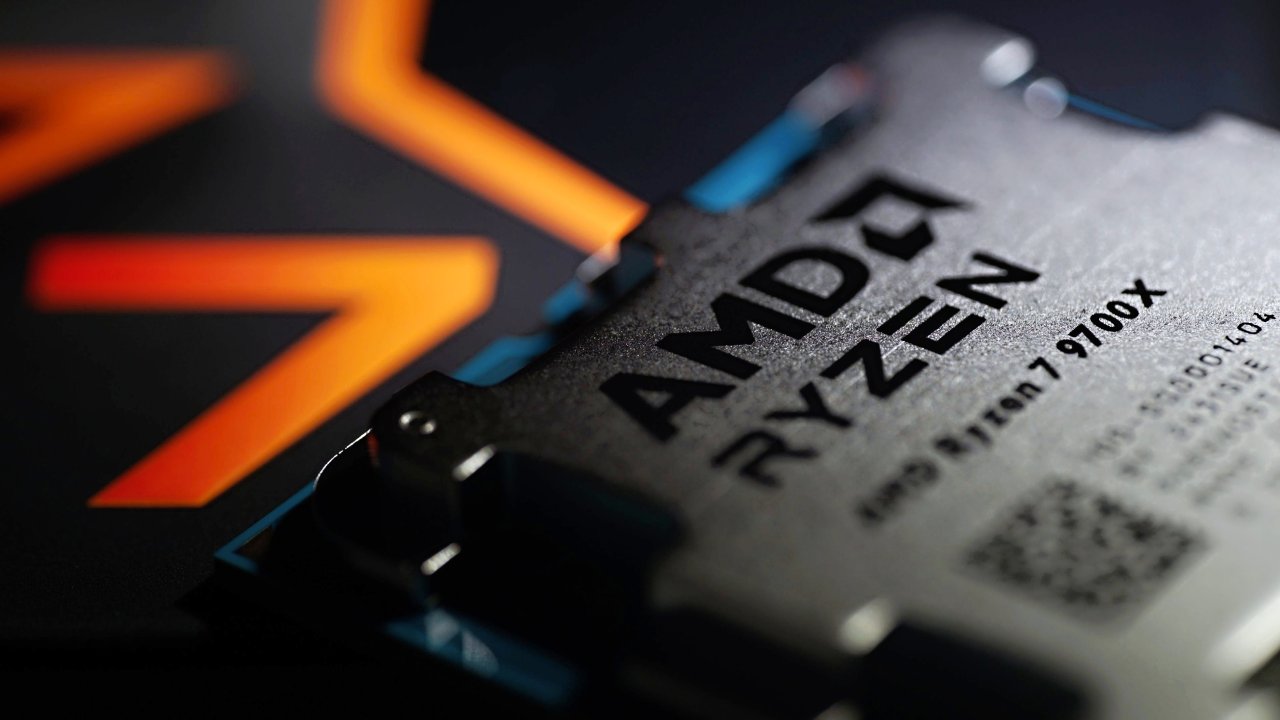
Why the Reported Clock Speeds Raise Some Doubt
The benchmark result lists a maximum frequency of 2.63GHz. This figure appears to be a Geekbench reporting error rather than an accurate reflection of the chip's actual boost clock, given how strong the recorded performance is relative to such a low clock speed. The listed base frequency of 2GHz could reflect an early engineering sample running well below its final clock targets, but a boost clock as low as 2GHz alongside these results seems unlikely.
Compared to the 10-core Strix Halo chip, the Ryzen AI 9365, the new sample shows a single-core performance gain of 28.5% and a multi-core gain of 21.6%, a substantial improvement for a chip still in engineering sample form, particularly since the desktop version of this Zen 6-based architecture is expected to ship with more cores than this mobile sample.
The result is strong enough to exceed the average performance of the 12-core Ryzen AI9 HX370. Based on this early data, AMD's next-gen Zen 6 architecture appears positioned to deliver a significant performance jump, which should put pressure on Intel heading into the next generation of mobile and desktop chips.
NVIDIA's rumored RTX 50 Super lineup has had an inconsistent path toward release.
Reports initially pointed to a launch at the end of last year, before repeated delays tied to the broader memory shortage pushed the timeline back further, eventually leading to reports that the lineup had been canceled entirely. That changed when a well-known leaker reported that the RTX 50 Super cards were back on track, with a potential release window in early 2027.
That claim gained further support after PSU manufacturer Cooler Master's wattage calculator added a listing for the RTX 5080 Super, joining earlier listings for the RTX 5070 Ti Super and RTX 5070 Super. With all three rumored Super cards now appearing in the same calculator months after the initial rumors surfaced, the listings add real credibility to reports that the Super lineup is moving forward again.
Particularly since the RTX 5080 Super listing uses a distinct wattage figure rather than simply duplicating the entry for the standard RTX 5080, ruling out a simple naming error, specifically, the listing shows a rated power draw of 415W for the RTX 5080 Super, about 15% higher than the standard RTX 5080's 360W rating.
RTX 5080 Super is also expected to include 50% more memory, moving up to 24GB of GDDR7 from the standard model's 16GB. That substantial memory increase raises real questions about whether the Super variant can be priced the same as the standard RTX 5080, though easing memory prices by the time of a 2027 launch could make that more feasible.
Editor, NoobFeed
Latest Articles
No Data.