
Sony Sued for $450 Million Over Digital PlayStation
A Dutch consumer group launches a massive legal battle over the erasure of physical game discs.
News by Elme Dhee on Jul 09, 2026
Sony faces a wave of legal challenges as it pushes to phase out physical games from retail stores. This shift has triggered massive consumer backlash, drawing intense scrutiny to anti-competitive behavior within the digital marketplace. With historical lawsuits already targeting its closed digital ecosystem, the tech giant is under pressure to eliminate the secondhand market.
While historical legal challenges against the corporation rarely lead to meaningful structural changes, the sheer scale of the new litigation is drawing massive consumer attention. Very often, large corporate entities view standard out-of-court settlements as a simple cost of doing business rather than a reason to shift their core marketplace policies.

A prominent Dutch non-profit consumer organization has officially filed a massive lawsuit seeking four hundred million euros to properly compensate affected players across the Netherlands. This substantial figure amounts to roughly $457 million sought on behalf of 1.7 million platform users under a campaign legally known as Fair PlayStation.
The sudden elimination of physical discs completely destroys the secondhand video game market.
The central argument of the legal claim is that removing physical discs means consumers lose access to a secondhand market, leaving no alternative to the digital store. Under a digital-only structure, Sony alone dictates exactly what a video game costs and decides how long a buyer is allowed to access their purchase.
Legal representatives note that a market price can never be considered fair when the buyer is left without a sense of true ownership and without commercial alternatives. Although corporate marketing often claims that software will remain available at retail via download codes, these vouchers fail to create a functioning secondary market.
Physical retail stores rarely offer major discounts or holiday clearance events on digital code vouchers, leaving prices completely stagnant compared to traditional discs. Vouchers sitting on a store shelf simply provide a brand presence for the manufacturer rather than offering genuine financial savings or resale opportunities for the player base.
Consolidating marketplace power enables massive price hikes for digital subscriptions.
As a single corporation gains absolute control over a closed gaming marketplace, the consumer dynamics naturally shift to favor the platform holder. Industry observers warn that this centralized power never trickles back down to provide financial benefits or lower pricing for the average player.
Instead, absolute control over a digital ecosystem allows Sony to aggressively maximize profits from its existing user base through passive revenue streams. This captive-audience model directly enables massive price increases for essential online services like PlayStation Plus because fully digital users are subject to the sunk-cost fallacy.
When a player has invested thousands of dollars into a completely digital library tied to a single account, they are far less likely to abandon the platform entirely. The manufacturer can safely raise subscription fees while simultaneously lowering the monthly value proposition of their services because users have nowhere else to take their digital investments.
Dwindling software quality and live service focus prioritize corporate shareholders over players.
Publicly traded corporations operate under constant pressure to generate higher profit margins quarter over quarter to satisfy their institutional investors and raise stock prices. When a hardware platform reaches a maturity limit in console sales, the company must find alternative ways to generate revenue from its existing customers.
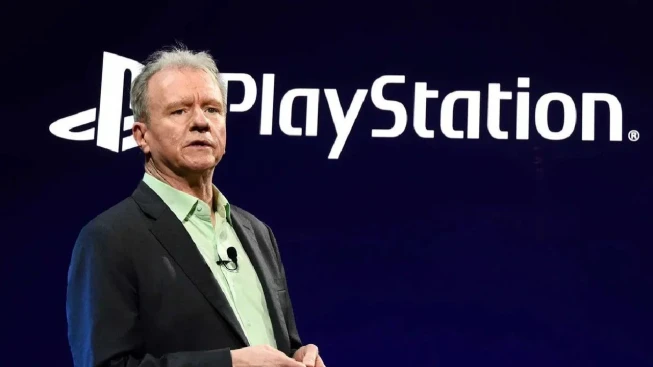
This financial motivation explains the industry's aggressive push toward live-service games, which are explicitly designed to continually monetize users over long periods. Systems prioritize ongoing transactions that stack over time.
Furthermore, game pricing is projected to rise to $80 in the next console era, alongside a continued reliance on premium remasters. Legacy titles that previously received free updates will likely continue to require a mandatory $10 upgrade fee as digital distribution tightens its grip on consumers.
Persistent social media backlash indicates growing frustration among core consumers over ecosystem lock-in.
The last demographic is showing historic levels of frustration online. Recent marketing campaigns and official social media announcements have faced intense public pushback and a highly visible, growing negative reception that refuses to slow down.
This sustained negative sentiment can create significant friction for third-party development partners whose products are overshadowed by widespread platform controversies. Independent studios often see their promotional comment sections completely dominated by users complaining about the lack of physical options rather than by discussion of the actual game.
A meaningful percentage of the core user base presents a long-term brand risk. As the industry continues its aggressive transition toward a purely digital future, the tension between corporate profit strategies and consumer ownership rights will only escalate.
Editor, NoobFeed
Related News
No Data.