
Console Sales Hit a Wall as Rising Prices Cool the Gaming Boom
Rising pricing, consumer opposition, and a changing economy are signs that the gaming business is going through a fundamental crisis.
News by Nusrat Choity on Dec 21, 2025
The video game business is at a crossroads that might change its destiny, even though many players don't know it yet. According to industry sources, new data on U.S. console sales shows a drop that is much worse than just a bad holiday season or a weak promotional cycle. November, which is usually the best month for hardware sales because of Black Friday sales, saw a 27% reduction in console expenditure from the previous year.
That one number is quite important in history: it shows that console unit sales were at their lowest level in November since 1995, when gaming was still seen as a niche form of leisure rather than a global cultural force. For many years, the console business followed a set pattern. When new generations of systems came out, there was a lot of demand for them.
.jpg)
Sales dropped as the hardware got older, but they went up again with the next wave of systems. Even big problems like the 2008 financial crisis didn't stop this tendency. Gaming was a relatively stable way to escape during tough times. People cut back on other things, but they still thought a console that promised hundreds of hours of fun was worth the money. It doesn't seem like that logic works anymore.
The most interesting thing about the new data is how clear the link between price and demand has become. As average selling prices went up, hardware sales didn't slowly go down. They dropped a lot. As prices went up, fewer people came to buy, which made a cliff instead of a slope.
Black Friday, which used to be the industry's way of letting people ignore their budgets in order to obtain a "deal," didn't change the trend. Discounts weren't enough this time, and people just said no.
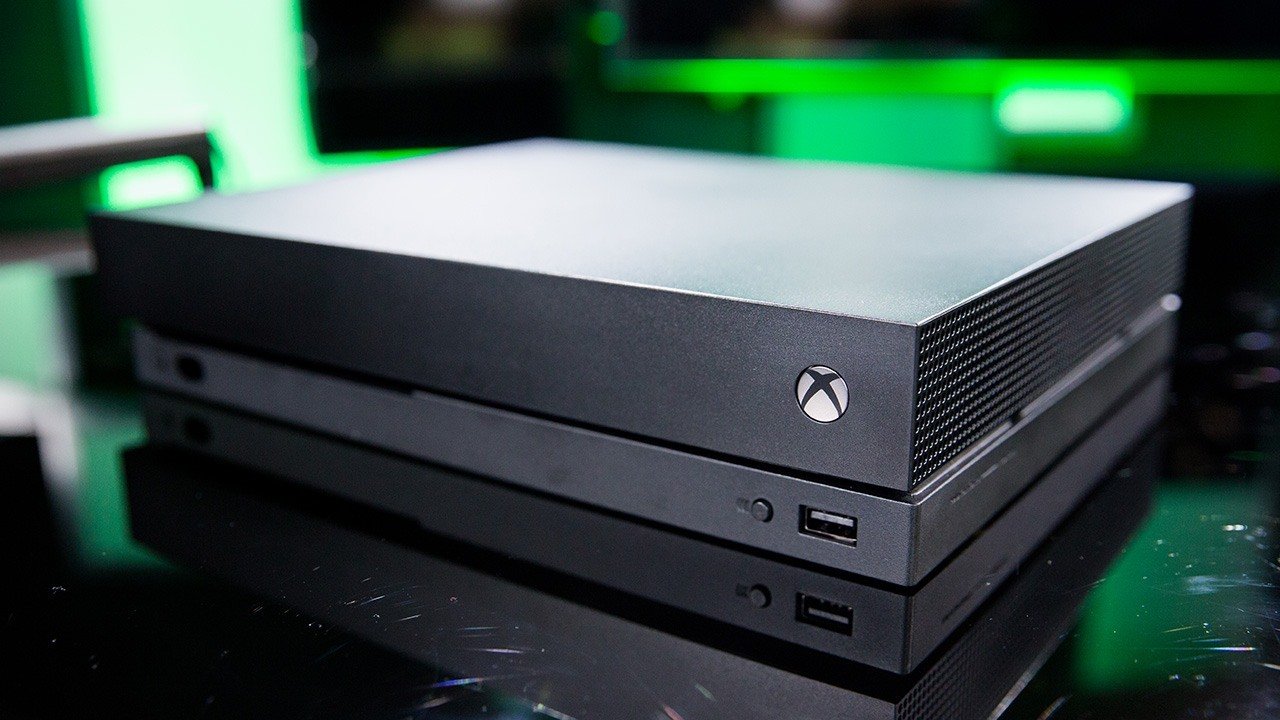
Every major platform has been hurt by the downturn. Xbox has been hit the hardest, with reports saying that unit sales have dropped by more than 70% from last year. People who watch the industry say that Xbox hardware is having more and more trouble with its identity because its ecosystem has grown well beyond just one machine.
Since there are significant games and subscription services available on PC and other platforms, it has become harder to justify buying Xbox hardware. The end result is a console that has a hard time explaining why it has to be a real thing.
PlayStation, which has always been thought to be the safest bet in the console business, has not been spared. According to industry sources, PS5 models are still the best-selling systems overall, although unit sales decreased by about 40% from last year, even with price decreases. The fact that premium mid-generation gear has come out hasn't changed that much.
A lot of customers don't seem to think that small improvements to the look or performance of a product are worth the extra cost, especially in an economy where every penny counts.
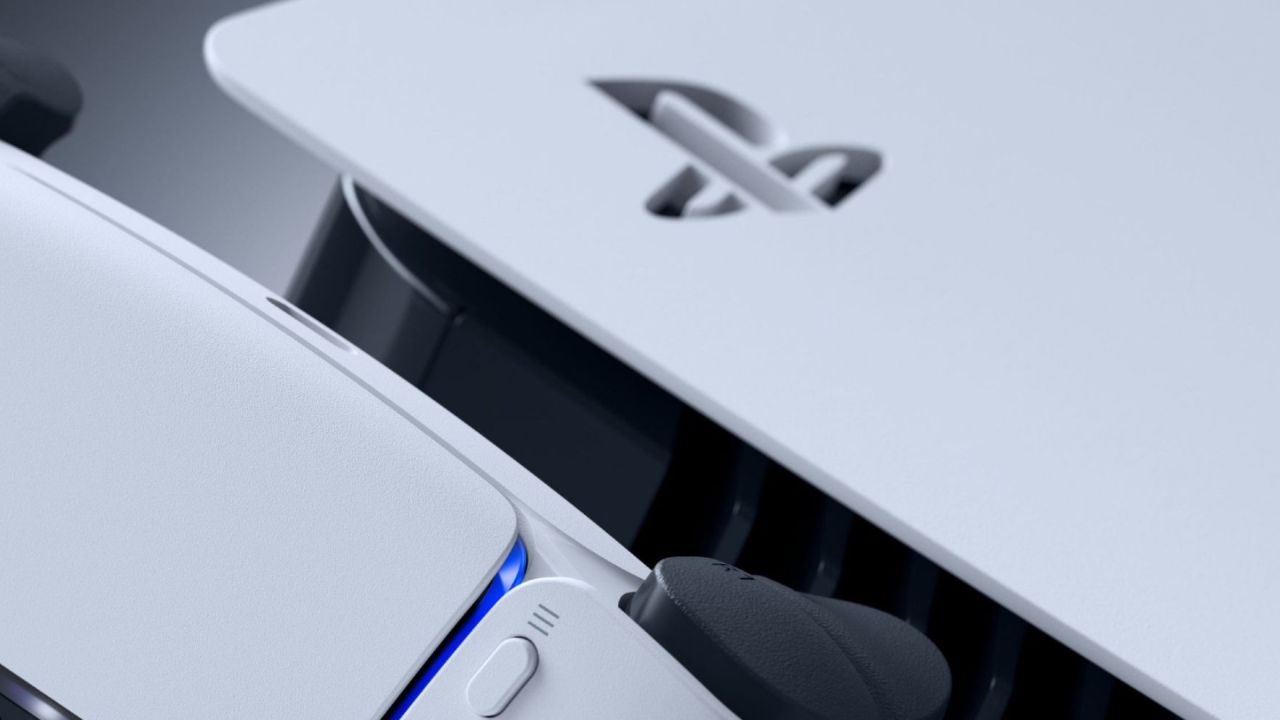
Nintendo's status, which used to seem safe from harm, has also started to exhibit signs of stress. Sales of the Switch and its newer replacement together declined by more than 10% compared to sales of the original Switch alone during the same time last year. In a healthy market, a new model of a long-running console should do better than its predecessor, not worse. The fact that a seven-year-old system sold more than both itself and its replacement has made people in the business raise their eyebrows.
Price is the main reason for all of these drops. Not simply the price of the system, but also the price of getting into current gaming. Controllers are getting more expensive, games are getting more expensive to launch, online memberships are becoming more common, and upgrades for storage or accessories cost even more.
What was to be a simple purchase is now a complicated financial commitment that may cost gamers hundreds of dollars before they even start enjoying new content.
Economic pressure is quite important. Even though the labels are different, a lot of people feel like they are going through a long decline. When consumers feel like they have less money, they generally put off or skip optional enhancements initially. Gaming hardware is a good example of this. There are still good games out there, but just having good games isn't enough to make you buy new hardware.
Under these conditions, only games that really change the game can sell consoles, and even then, it seems like there is a limit to how much people are prepared to pay. Companies are getting more and more worried about the future because of that ceiling. A lot of people in the industry are hoping that the release of one big hit game would bring back interest.
People think that a big release will make people buy the hardware they need to play it. But more and more people are worried that even a game of that size won't be able to deal with high prices. If the prices of consoles keep going up, a lot of players might choose to wait, skip launch dates, or not upgrade at all.
The supply side doesn't help much. Prices for memory are going up, component costs are going down, and manufacturers are having to compete with corporate and data center purchasers who are willing to pay much larger margins. Selling to gamers at low profits is becoming less appealing for hardware companies.
Companies have been able to keep prices stable by using up their stockpiled parts, but that buffer is projected to get smaller. When it does, prices are more likely to go up than down. The most concerning symptom may not be a number, but rather a behavior. People don't automatically want the newest box anymore.
A lot of people are remaining with their current setups, downgrading their expectations, or skipping whole hardware cycles. Once that way of thinking becomes common, it is quite hard to change it back. The console market has traditionally depended on momentum, or the belief that people will constantly want to upgrade. That idea is now in actual danger.
This moment doesn't seem like a short-term drop or a seasonal setback. It appears that the ceiling is breaking. The industry has to face a painful truth: prices that keep going up can't keep going up forever. The next chapter of gaming may not depend on raw power or expensive advancements, but on whether the industry can regain confidence and make games more affordable.
If players are choosing to be patient instead of upgrading and to resist impulse purchases instead of making them, can the console business change before that fracture becomes a full-blown collapse?
Contributor, NoobFeed
Related News
No Data.