
Why DDR5 Memory Costs Are Increasing Despite Stable PC Demand?
Rising AI infrastructure demand is quietly reshaping global memory supply chains and pushing consumer RAM prices upward.
News by Shinji Okazaki on Dec 19, 2025
For a long time, RAM prices remained stable. A 64GB kit used to cost roughly $200 and was considered a background item rather than a top priority. That changed not too long ago.
A 64GB kit with two sticks now costs much more, and many people who bought one right before the price increase feel lucky. RAM used to cost about 10% of a PC's budget. It was never the central character. That way of thinking is no longer valid, as RAM prices are now a major factor in building a PC.
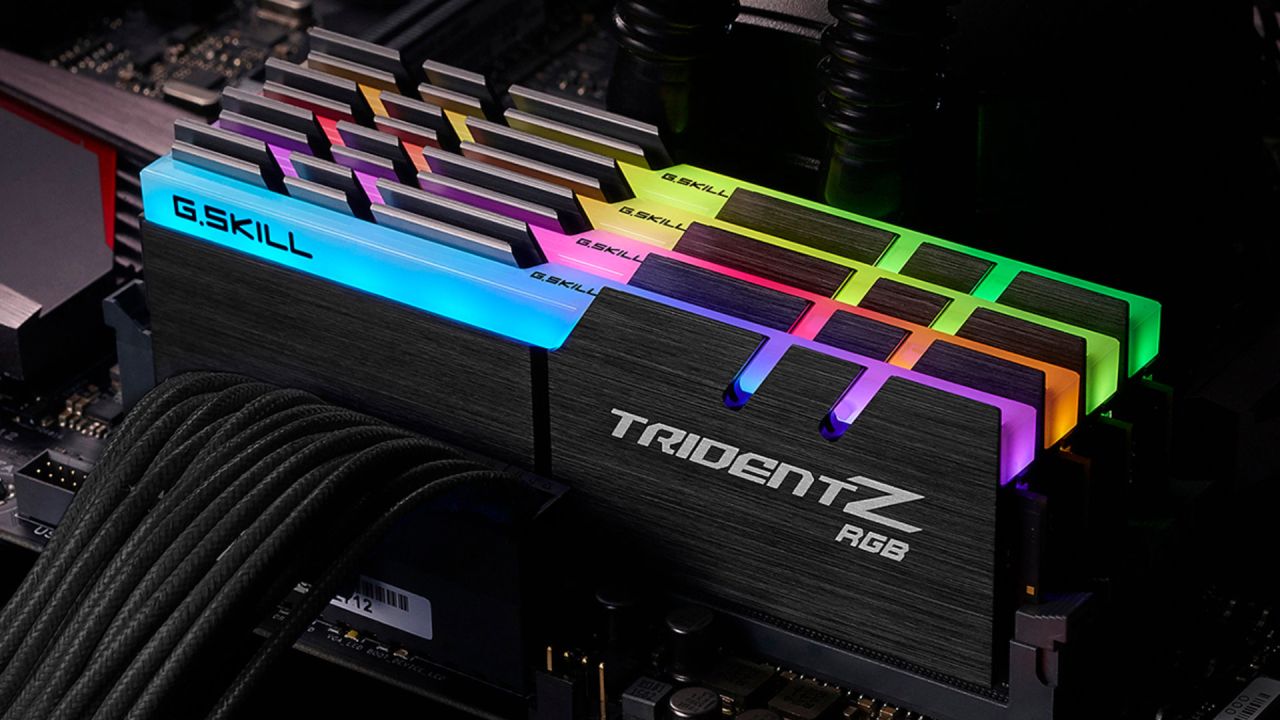
Before this change, most people didn't think much about memory beyond how much it could hold and whether it would work with their computer. People talk about RAM pricing with the same enthusiasm they once did about GPUs. There is a rationale, and it's not random inflation or short-term hype. There is a clear change in its structure, and to understand it, you need to know about DRAM, which most people call RAM.
There is DRAM everywhere. PCs, laptops, game consoles, phones, vehicles, and industrial equipment use it. People often forget that there are different types of DRAM, each made for a different purpose. Computers use standard DDR memory. LPDDR is used by phones and tablets. Graphics cards use GDDR. High-bandwidth memory is used in large computers, servers, and supercomputers.
These memory types have varied uses, but they are all made by the same small set of companies.
Samsung, SK Hynix, and Micron control more than 90% of the world's memory market.
That attentiveness is key to figuring out why prices changed so quickly. AI use has grown quickly during the past few years. After that, firms invest in AI services, models, and infrastructure. As AI systems improved, more people began using them, which made them work harder. Companies rushed to build new data centers to meet their needs. These data centers need a lot of memory, and not just any memory.
The focus turned to HBM. HBM is still DRAM, but it is stacked right on top of GPUs, which gives it very high bandwidth at a very high cost. AI accelerators depend on it; therefore, the need for HBM skyrocketed. That demand reduced consumer memory manufacturing capacity.
Wafers are the first step in making memory. A wafer can be used only for one type of memory. It can't change into DDR5, LPDDR5X, or GDDR6 if it becomes HBM. When AI businesses began ordering large quantities of HBM, manufacturers stopped producing consumer RAM wafers.
There was still strong demand for consumer RAM. Supply did. Prices rise when demand is strong and supply declines. The decision makes sense from the manufacturer's perspective. Consumer RAM has retail margins, sales cycles, promotions, and demand that isn't always predictable. AI and business customers sign long-term contracts, promise to buy a certain amount, and make a lot more money. Manufacturers went where the money was.
As a result, DDR5 pricing seems out of line with past trends. Kits that were reasonably priced a few months ago now cost more than the GPUs they support. Deals still come up, but they aren't always available or good. This is no longer a seasonal change or a wait-for-sales situation.
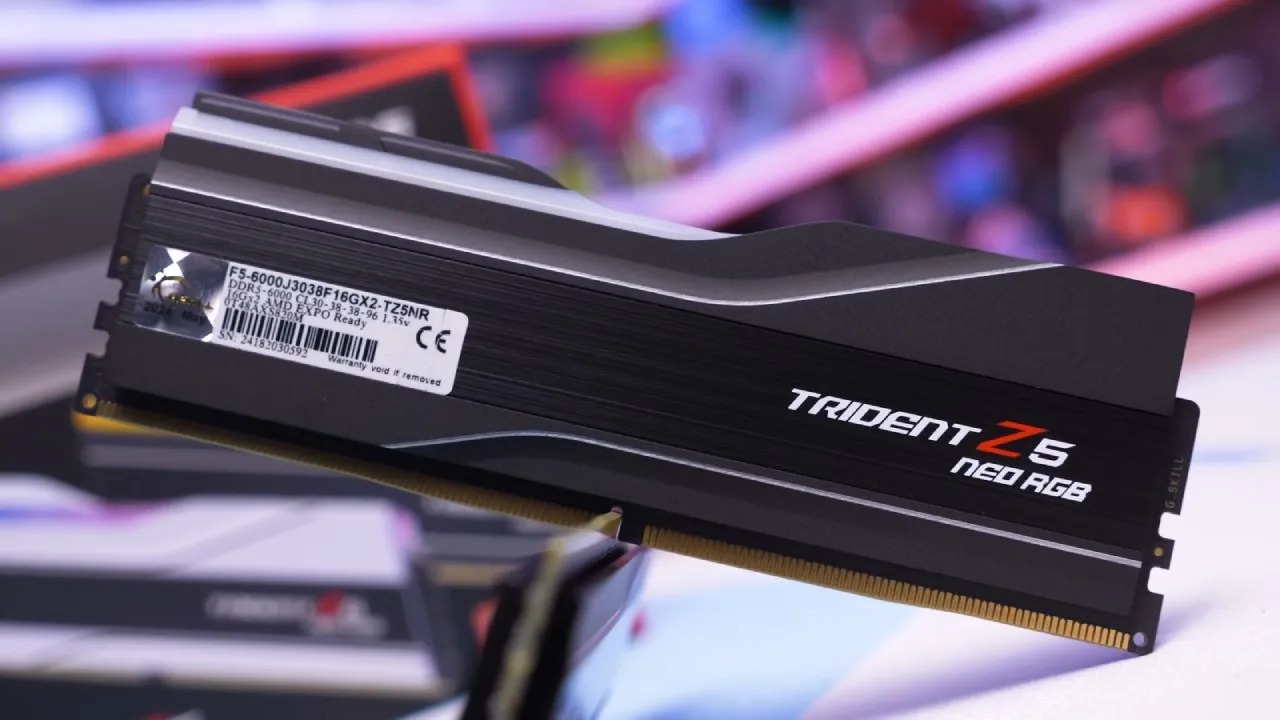
Usually, spot prices and contract prices don't move in the same way. Spot pricing shows how much raw memory chips are trading at right now and tends to rise when people are scared. OEMs and data centers use contract prices, long-term agreements that don't change often. At the moment, both are going up. That means that there isn't enough more supply in the whole market.
Even older standards like DDR3 and DDR4 are getting more expensive. That goes against how prices generally operate in technology, because output is declining faster than demand. The imbalance causes prices to rise rather than fall.
Things worsened when Micron made a major strategic choice. Micron, which also owns the Crucial consumer brand, decided to leave the consumer memory business and concentrate on HBM. The logic was simple: AI-driven demand in data centers led to better margins and more predictable growth.
Consumer RAM branded Crucial will still be shipped until February 2026. After that, Micron leaves the consumer market. In real life, that means that Samsung and SK Hynix are the only big players left.
Samsung has not moved consumer production back to DDR5. Instead, it is prioritizing DDR5 RDIMMs for servers. These server memory modules have margins that are as good as or better than HBM's, but they don't have the same technical risk. From a business perspective, it makes more sense to supply wafers to server memory manufacturers than to create DIMMs for consumers at a lower price.
SK Hynix has said it will increase DRAM manufacturing, though the primary focus remains AI and business demand. It is hardly likely that much of the growth will reach consumer PC memory, as consumer prices don't compete with business profits.
OEMs are already responding. Large system builders say prices won't stay the same. PC prices are likely to go up, not just because of CPUs or GPUs. Memory expenses are built into every system.
Prices for systems are likely to keep rising in the second half of 2026 if memory conditions don't improve.
There are two true ways to move forward. The first is to make a lot more memory. New fabs would enable AI data centers and their customers to receive their supplies simultaneously. The bad things are time and money. It will take billions of dollars and years to build these buildings. Even if action is taken right away, real help won't come until 2026.
The second option is that AI investment will slow down. Some people think interest in AI will fade, lowering demand for HBM and freeing up space for consumer memory. It is possible, but not certain. AI differs from earlier hype cycles because it is now part of the long-term infrastructure.
If you're planning to build a PC, you shouldn't expect prices to drop soon. Prices won't go back to normal immediately, and true relief might not come until late 2027. People who buy things don't have any say over how much manufacturing capacity or investment cycles there are. What remains constant is that demand will always equal supply. Businesses change, infrastructure gets better, and markets settle down.
Over time, memory utilization will improve, expansion will catch up, and prices will stabilize. The current phase shows change, not stability.
Editor, NoobFeed
Related News
No Data.