
Game Pass to Blame for the Drop in Xbox Series X|S Sales
Microsoft's subscription service might be doing more harm than good because players skip purchases and switch between games without finishing them.
News by Nusrat Choity on Aug 13, 2025
The dream was simple: one subscription, a lot of games, and the chance to play big games from day one without paying full price. Microsoft's Xbox Game Pass, which they called "Netflix for games", launched with this big idea. With a vast library and exclusive releases on day one, it would be the best-selling point for Xbox consoles.
But the truth is different years later. Microsoft's growth goals have been missed repeatedly, even with the release of big games like Call of Duty, which didn't give the company the big boost it was hoping for. The most recent analysis of the industry suggests that the service may be quietly hurting Xbox's sales, which makes developers wonder if it will last in the long run.
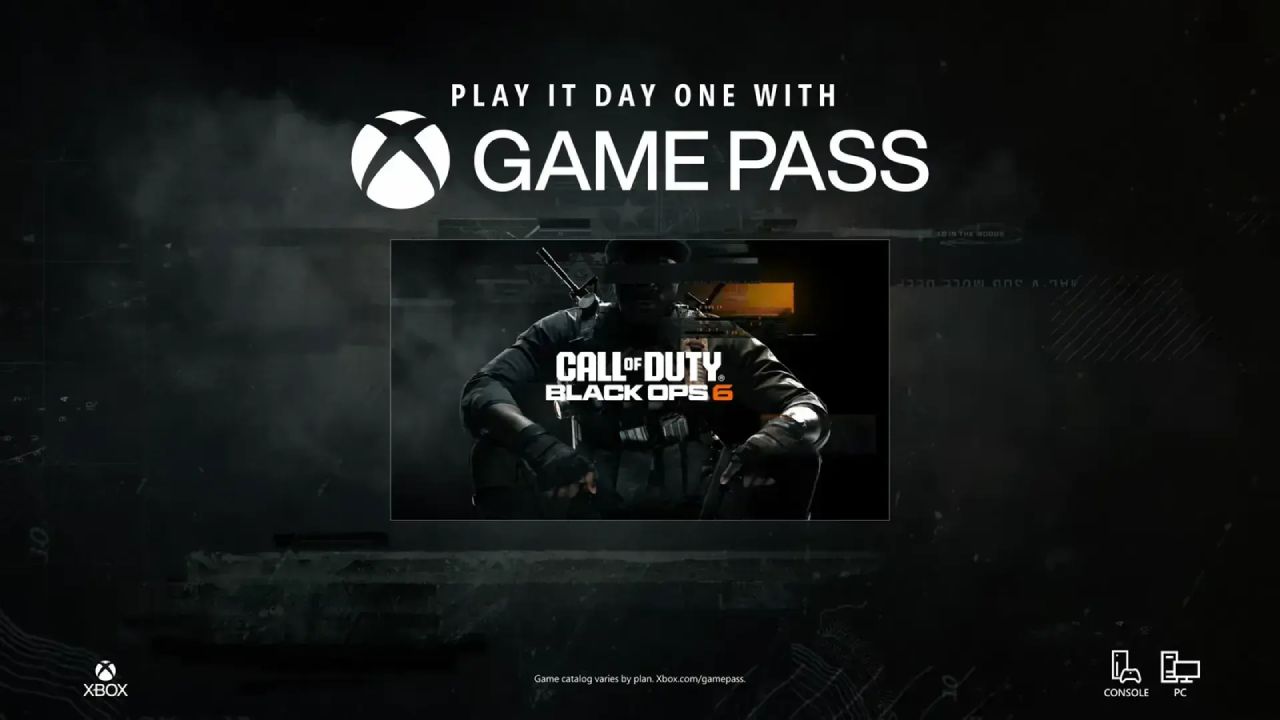
A new report from the analytics company NewU, which was shared on the Gamewise podcast, reveals surprising insights about how Game Pass subscribers use it. Even though Microsoft has spent a lot of money on buying studios, making deals with publishers, and releasing games on the first day, Xbox users are said to play games in a way that is very similar to PlayStation users. The finding goes against the idea that giving people unlimited access to games would increase their interest.
Sources say that Emanuel Rosier, the report's director of market intelligence, confirmed that Game Pass is hurting sales. He used Call of Duty: Black Ops 6 as an example. It came out right away on Game Pass, and sales on Xbox were much lower than in previous games. NewU only counted games that were played for at least two hours. This was done because an increasing number of subscribers are only playing a game for a short time before quitting.
The pattern is clear: with so many games available, if one doesn't grab players right away, they download another one. Rosier said that this "two-hour shuffle" is bad for titles that need more time to generate interest. Some games require a few hours to shine, but many subscribers never give them that chance because they leave before the story or gameplay is fully revealed.
This isn't just a problem for Xbox, which is interesting. PlayStation Plus has had similar trends, but Game Pass has had a bigger effect because it has a bigger library and promises big new releases. That makes it even more surprising that the service isn't being used as much as it could be, which is bad for Microsoft's original plan.
Microsoft has been very aggressive in its plans. Game Pass isn't just for Xbox consoles anymore. It's now available on PCs, mobile devices through cloud streaming, the Amazon Fire TV Stick, and the upcoming Rogue Xbox Ally handheld. But recent choices tell a different story. The decision to bring Xbox exclusives to PlayStation 5 and Nintendo Switch suggests that Game Pass may not have become a "killer app". Phil Spencer, the head of Xbox, used to be a big supporter of Game Pass. Now he calls it "just another option," which is a significant change from what he said before: that Microsoft might leave the gaming business if the service didn't reach 100 million subscribers by 2030.
That goal now seems unlikely. Microsoft's purchase of Activision Blizzard has made it the most prominent game publisher in the world, but the paradox is apparent. Phil Spencer recently told employees that "the business is thriving" with record numbers of players and gaming hours. However, hundreds of those employees were laid off soon after.
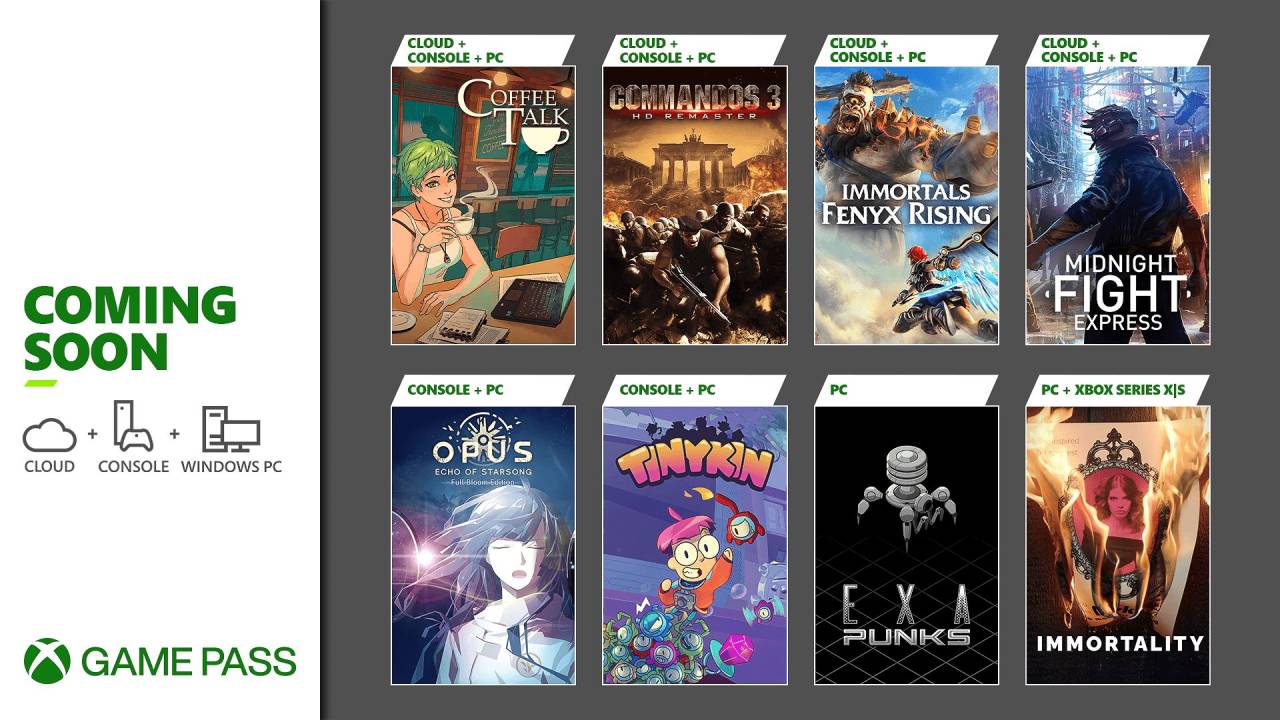
The deeper question is still whether subscription services like Game Pass are hurting developers by cutting into their sales. The argument isn't new, but the way Xbox is right now makes me worried. Game Pass is getting first-party games right away, but there isn't much fanfare for sales. Xbox fans might think that PlayStation games get better optimisation, better graphics, and even physical releases when they come out on that system.
Publishers are also hesitant to release games on Xbox without a Game Pass deal because they know that sales from the platform alone are unlikely to meet expectations. But the one-time payment that developers get from Game Pass is usually less than the money they could make from selling games individually, especially outside of Microsoft's ecosystem. This sets off a dangerous cycle: fewer purchases mean more reliance on Game Pass payouts, which may not be enough to cover long-term profits.
The subscription model itself is the only thing that makes sense. Game Pass was supposed to be suitable for both players and publishers, but it has instead led to a culture of short, disposable play sessions. For players, the promise of endless choice can be a paradox: the more options they have, the less they want to commit. For developers, it means that fewer people are buying games outright, which means less money for their work.
Microsoft is in a tough spot because of this. If they cut back on Game Pass, they might lose the very audience they've worked so hard to build. If they keep going, they might hurt the traditional sales base that keeps the industry going. And since PlayStation Plus and other competitors are having the same problems, this issue might not just be with Xbox; it could be a sign of things to come for subscription-based gaming as a whole.
There is one question that hangs over the whole debate: how many Game Pass games do subscribers finish? NewU hasn't looked at completion rates yet, but the data could be helpful. It's one thing to sample a game; it's a whole other thing to see it through to the end. The service may be more about variety than substance if most of its subscribers don't finish the games they start.
Microsoft is still pushing Game Pass as a key part of its strategy, even though people are starting to question how it will affect things in the long run. Isn't it funny? Xbox is in a better position to publish games than ever before, but its service might be the reason why its games aren't selling like they used to.
As the gaming industry tries to figure out how to deal with changing economics, one thing is for sure: the Game Pass experiment is not over yet. But is the subscription model the future, or is it just an expensive distraction if players keep switching between games without ever committing?
Contributor, NoobFeed
Related News
No Data.