
Gamers Just Proved $70 Was a Scam All Along
One $50 hit rewrote the rules, and publishers are suddenly remembering what fair feels like.
News by Zahra Morshed on Nov 10, 2025
There may be a quiet change happening in the games business. There are signs that the $70 price point, which was once seen as the new normal for big movies, might be losing its hold for the first time in years. Mafia: The Old Country was the first game in the new style.
When it came out at $50, it sold more than any internal sales goal 2K had set for it. In just a few days, almost 800,000 copies were sold, with half of those going to PlayStation 5. No grind in online. There is no live service plan. It was just a short story that was priced fairly, and it worked.
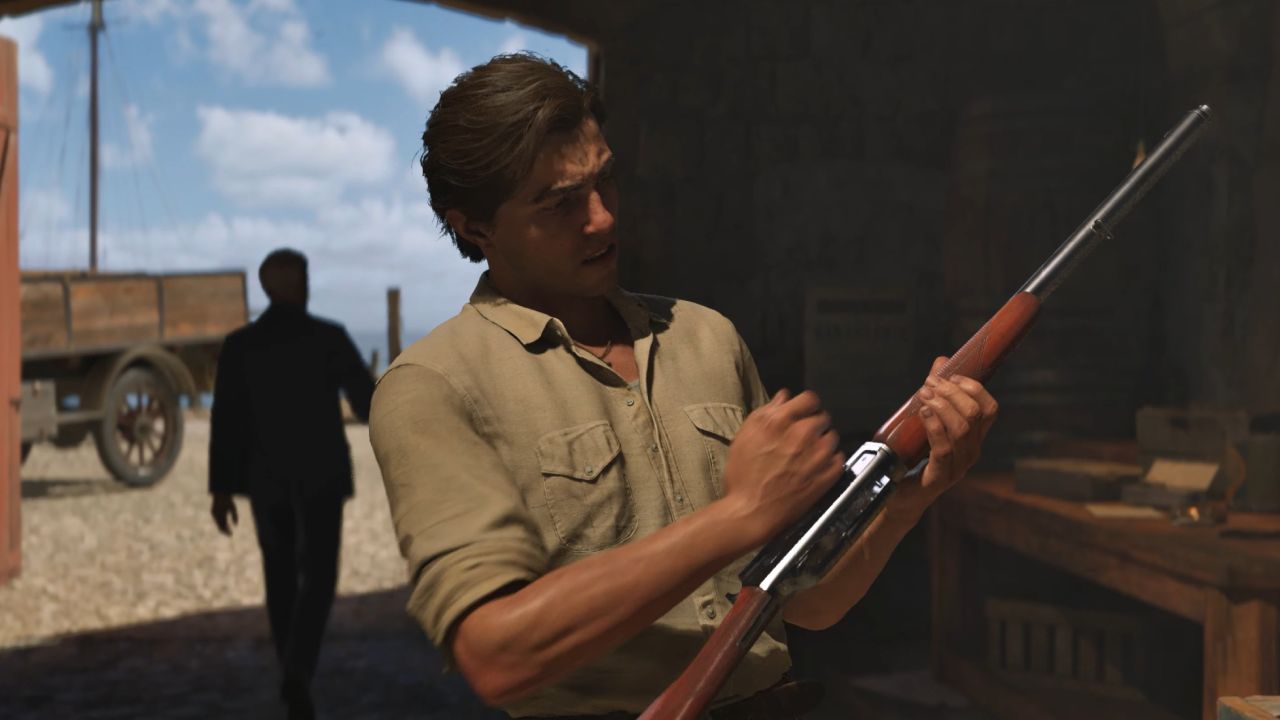
Publishers are taking notice. Strauss Zelnick of 2K called The Old Country a model for long-term success because it shows that smaller, story-driven games can do well without premium tags or aggressive monetization. The finding goes against the industry's long-held belief that prices need to go up to cover rising development costs. In response to caution, consumers are very excited, and the numbers show this.
On the market as a whole, mid-level games are quietly doing better than the so-called AAA giants. All games that cost less than $70, like Pacific Drive, Stellar Blade, Clair Obscur: Expedition 33, and Helldivers 2, have gotten so much attention from critics and customers that most $200 million projects can only envy them. They are small, well-made, and sure of what they are. They value the player's time and money, and the player trusts and pays attention to them in return.
At the same time, the high end is shaking. Outer Worlds 2 came out with a premium version that cost $80, but it was met with strong opposition right away, and the company had to pull it. Ubisoft's most recent games have also had their prices lowered after low preorders showed that people weren't as interested in "prestige pricing." When a sequel to a series that came out four years ago has trouble justifying a higher price tag, it's clear that people are changing how they think about value.
What's surprising is how easy the economics are behind this change. Since 90% of players now buy digitally, the costs of production and distribution that used to support higher prices are no longer there.
A $60 digital game that sells six million copies brings in $360 million, which is more than a $70 game that sells half as many copies. When barriers to entry are lowered, more people will be able to use the product. As the audience grows, long-tail revenue through add-ons, cosmetics, or upgrades will naturally grow. When it comes to shopping today, price flexibility favors ease of access over desire.
The trend is also a sign of a bigger change in culture. Because of inflation, spending on things you don't have to has changed, and now there are more entertainment options than ever. When gamers already have huge backlogs and subscription libraries, a price tag of $70 or $80 doesn't seem like a treat but rather a turnoff. The $50–$60 range, on the other hand, makes people curious instead of skeptical. It changes a planned risk into a choice made on the spot.
This doesn't mean the end of big-budget movies, but it does mean that something has to be done. The new mid-tier, which is sometimes called "double-A," is showing to be stable financially and full of new ideas. It lets studios take chances as long as they don't go too far and make games that feel personal instead of corporate. For players, it rebuilds trust that had been lost due to faulty launches, pricey "deluxe" versions, and too many microtransactions.
.jpg)
It's beautiful how this change fits together. People who used to be excited about the promise of cinematic scale are now realizing how appealing well-contained design can be. They don't want live-service economies that spread out; instead, they want full events that value their money. Since publishers are seeing those results, they will go with the flow.
If things keep going the way they are, 2026 may be the year that the business quietly changes its expectations. The $70 project was fun for a while. The $50–$60 price range, which strikes a mix between long-term viability and ease of access, could still be the way to keep games profitable, players loyal, and creativity alive.
Contributor, NoobFeed
Related News
No Data.