
Hunter: The Reckoning – Deathwish Looks More Like a Post Apocalyptic Survival RPG
New gameplay details reveal a grounded World of Darkness RPG focused on investigation, choice-driven missions, survival combat, and uncovering a hidden supernatural war in modern New York.
News by Tahmid Mahi on May 08, 2026
Coming from the team behind RoboCop: Rogue City and recent Terminator projects, the game Hunter: The Reckoning Deathwish does not position itself as a smaller licensed experiment. Instead, the developers are building a full RPG set in the World of Darkness universe, with a major focus on survival, investigation, player choice, and a grounded, modern setting.
What immediately stands out is how vulnerable Hunter: The Reckoning Deathwish wants you to feel. You are not playing as some unstoppable supernatural hero with magic powers or enhanced abilities. You start as an ordinary human who slowly discovers that monsters have secretly existed alongside humanity all along.
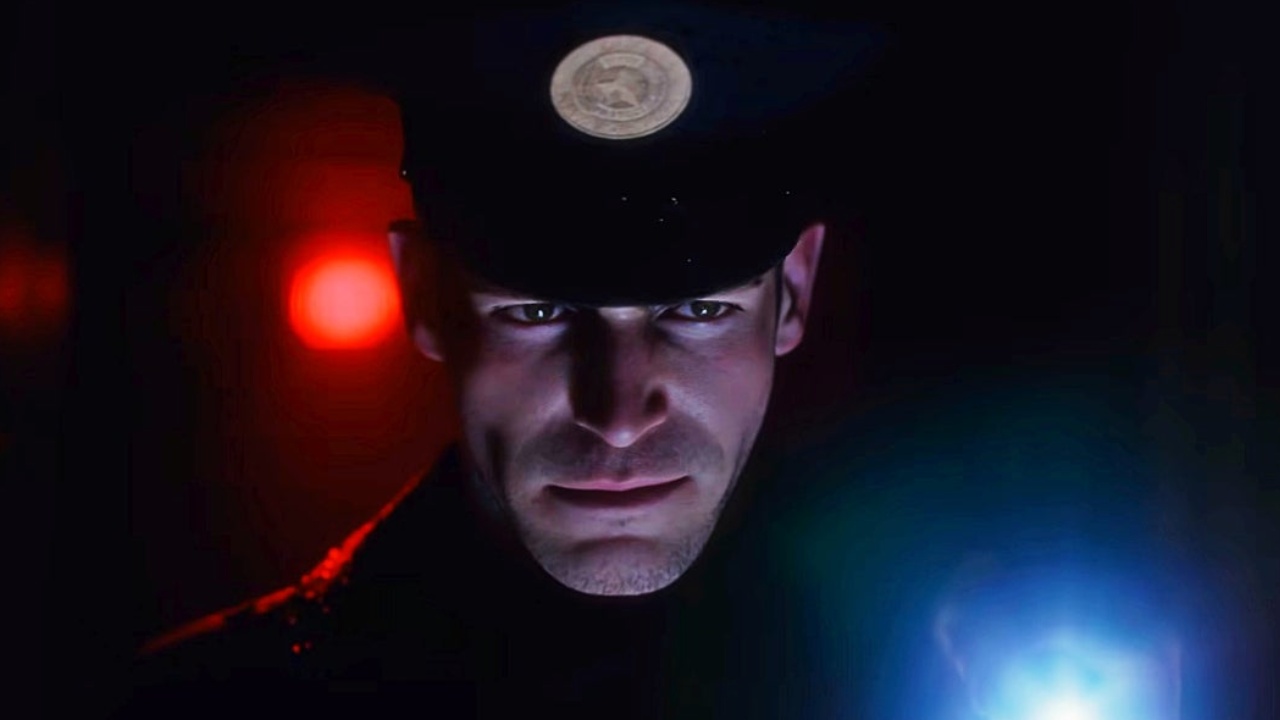
The developers are being very direct about how lethal the world is.
If you walk into encounters without planning ahead, you can die quickly. That alone gives the game a very different tone from most action RPGs, which focus heavily on power fantasy and constant combat escalation. At the same time, the game seems built around giving you a large amount of freedom in how you approach situations.
You create your own character from scratch with deep customization systems tied directly to the tabletop roots of Hunter: The Reckoning. Instead of simple cosmetic choices, your build affects how you interact with the world, what options become available, and how missions unfold. Different character setups can entirely change the way you approach encounters and conversations throughout the game.
The RPG systems include layered skills, multiple attributes, advantages, flaws, and specialized builds that entirely change your playstyle. You can lean toward strength-based combat setups, stealth-focused infiltration, or intelligence and social builds that allow you to negotiate, manipulate, investigate, or avoid violence entirely.
That structure draws the experience closer to a classic RPG than to a straightforward action game. Many missions are designed around player choice first, meaning you can force your way into locations, sneak through them quietly, or solve situations through dialogue and investigation.
One of Hunter: The Reckoning Deathwish's more compelling parts is how it handles failure. Instead of immediately ending missions or forcing restarts when things go wrong, the situation shifts into different outcomes and encounters.
That flexibility feels heavily inspired by older immersive RPGs like Deus Ex: Human Revolution, but here it is built around a modern supernatural setting instead of cyberpunk or science fiction themes.
Hunter: The Reckoning Deathwish’s version of New York also appears to play a major role in the atmosphere.
Rather than creating a loud fantasy world filled with exaggerated visuals, the developers are leaning toward a grounded interpretation of reality, where everything feels slightly off once you begin noticing the hidden supernatural layer beneath the city. The game appears to have a semi-open-world structure. In between the main story, there are optional areas to explore, side cases to investigate, and clues to collect, and slowly uncover what is really going on behind the scenes.
Investigations appear to be a major part of the overall gameplay loop. You are not simply running from one combat encounter to another. Large portions of the experience revolve around interrogating people, studying crime scenes, collecting evidence, and deciding how far you are willing to go to uncover the truth.
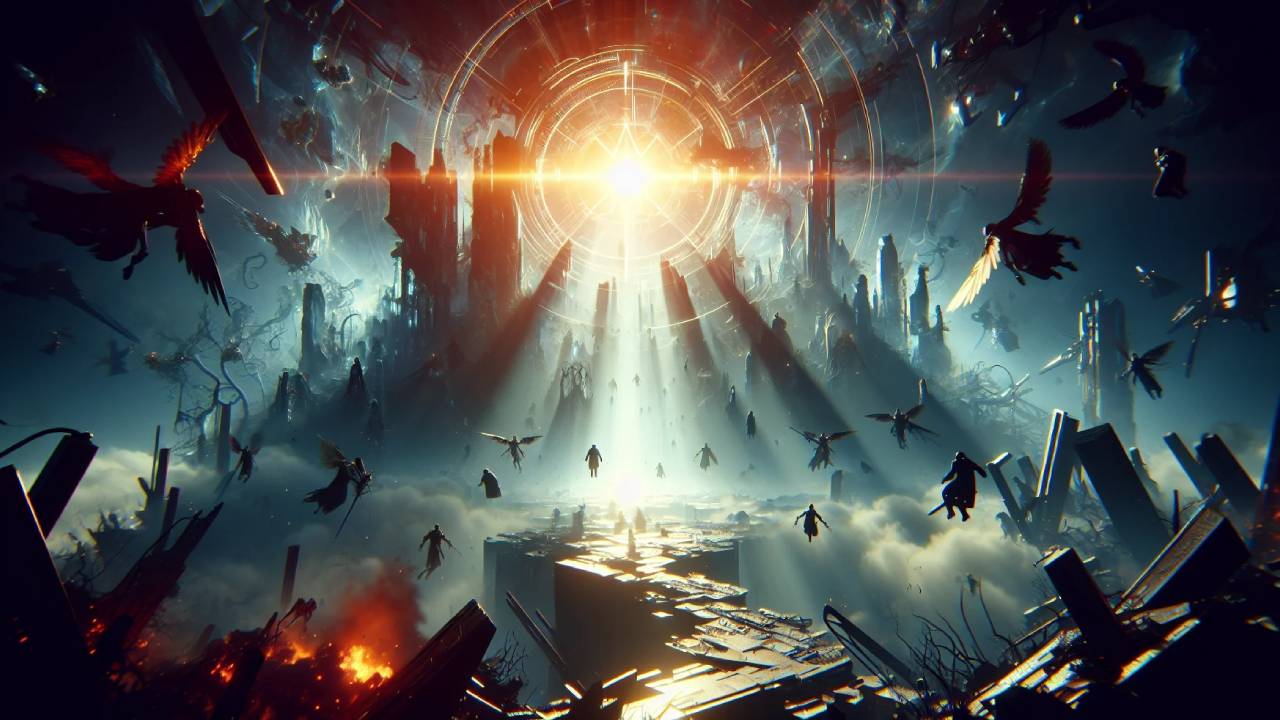
This connects directly to Hunter: The Reckoning Deathwish’s morality systems. According to the developers, your choices affect relationships, long-term story outcomes, and how the world reacts to you over time. You can play as someone disciplined and controlled, or you can become increasingly ruthless depending on how you approach situations.
The choices change the story's tone and how some characters react to you as the game progresses. Companions are also being treated as a major part of the experience. Throughout the story, you work alongside other hunters, each of whom brings their skills, specialties, and personal storylines to the group.
They assist in battle, investigations, and technical matters, but also develop based on your actions and choices. Your interactions will shape their character arcs and some of the story's relationships. The relationship system isn’t just simple support characters. You can influence how your companions approach situations, shape the outcomes of their personal stories, and forge deeper relationships with them over time.
Romance options are also included, adding another layer to the character-focused side of the RPG structure.
Combat itself sounds intentionally restrained compared to most modern action RPGs. The developers repeatedly emphasize that you are fragile compared to the monsters you are fighting. Vampires can eliminate you quickly, while larger supernatural creatures are capable of overpowering you almost instantly if you are careless.
That’s why survival and preparation matter more than raw aggression. There are guns and melee weapons, but they're not there to make you feel powerful. Instead, they serve more as tools to help you survive dangerous situations long enough to escape or achieve your goal. The World of Darkness setting naturally lends itself to that kind of gameplay.
The franchise has always been about secret supernatural societies working in the shadows alongside normal human civilization. In this game, you begin completely unaware of that hidden reality and slowly uncover the truth piece by piece as the story progresses. From a presentation standpoint, cinematic RPG storytelling heavily influences the game.
The design of conversations, investigations, companion interactions, and combat transitions aims to maintain a grounded pace throughout the experience. Rather than constantly shifting into explosive action sequences, Hunter: The Reckoning Deathwish seems focused on maintaining a tense, controlled atmosphere.
Visually, the developers aim for a darker, more realistic version of modern New York, rather than stylized fantasy or exaggerated sci-fi environments. Interiors feel claustrophobic, lighting feels deliberately heavy, and even ordinary locations convey the sense that something dangerous exists just beyond your field of view.
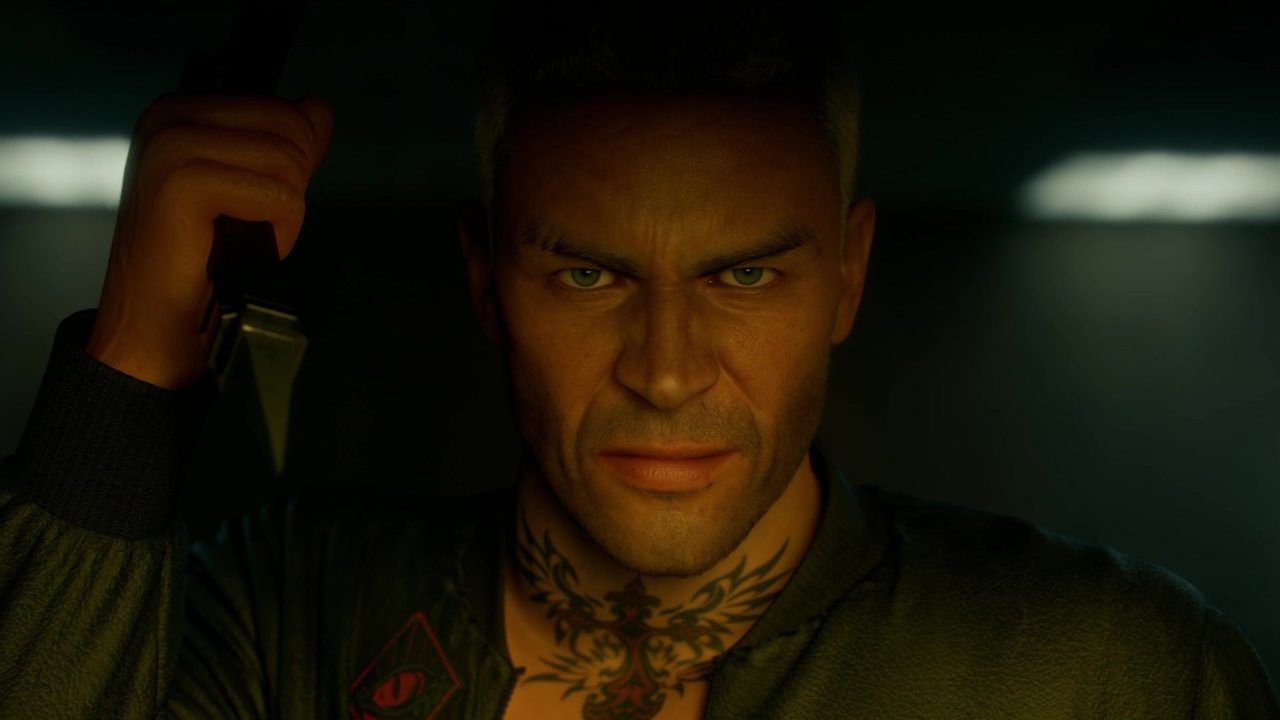
There will always be concerns about a project of this magnitude—that's only natural. Systems involving branching choices, survival elements, or layered RPG progression can all easily falter when the balancing, pacing, or AI behavior don’t quite gel consistently
Even so, the overall foundation looks promising enough to make the project distinctive. Currently, Hunter: The Reckoning – Deathwish feels less like a traditional action RPG and more like a grounded supernatural simulation about ordinary people becoming trapped inside a hidden war they were never supposed to discover.
Some additional details have also surfaced following the reveal.
Before the official announcement, a Steam update for RoboCop: Rogue City accidentally replaced the store page artwork with promotional images for Hunter: The Reckoning. Since the franchise has been inactive for more than two decades, the leak immediately caught attention online. The RPG mechanics themselves also appear surprisingly deep for a game of this scale.
The developers confirmed that the system includes six major attributes, each backed by 18 separate skills. According to the game director, Piotr Łatocha, parts of the tabletop mechanics had to be simplified for the video game format, while still preserving meaningful depth and player flexibility. The development team has also openly discussed several major inspirations behind the project.
Vampire: The Masquerade – Bloodlines, Baldur’s Gate 3, and the TV series Supernatural were all specifically mentioned as reference points for the tone, structure, and style they wanted to achieve. That combination gives you a pretty accurate idea of what the developers are aiming for.
The focus seems to be on narrative freedom, grounded, character-driven storytelling, meaningful RPG systems, and the feeling of ordinary people slowly realizing that the world around them is hiding something terrifying beneath the surface.
Editor, NoobFeed
Related News
No Data.