
Mario Tennis Fever Hits a Love-Hate Sweet Spot
Multiplayer thrills clash with solo mode boredom as Nintendo’s latest tennis entry tests whether fans will rally around fun or flop under $70 expectations.
News by Zahra Morshed on Feb 12, 2026
The first reviews for Mario Tennis Fever are in, and they all agree that the picture looks complex rather than exciting. With a score of about 77 based on about 70 reviews before its February 12 release, this version fits in well with how the others in the series have done in the past.
Aside from the classic Mario Tennis 64, most games in this series get around the mid-70s. Mario Tennis FC gets a slightly higher score than its closest predecessor, Mario Tennis Aces, which got a 75. This suggests quality that meets standards without changing the sport in a big way.
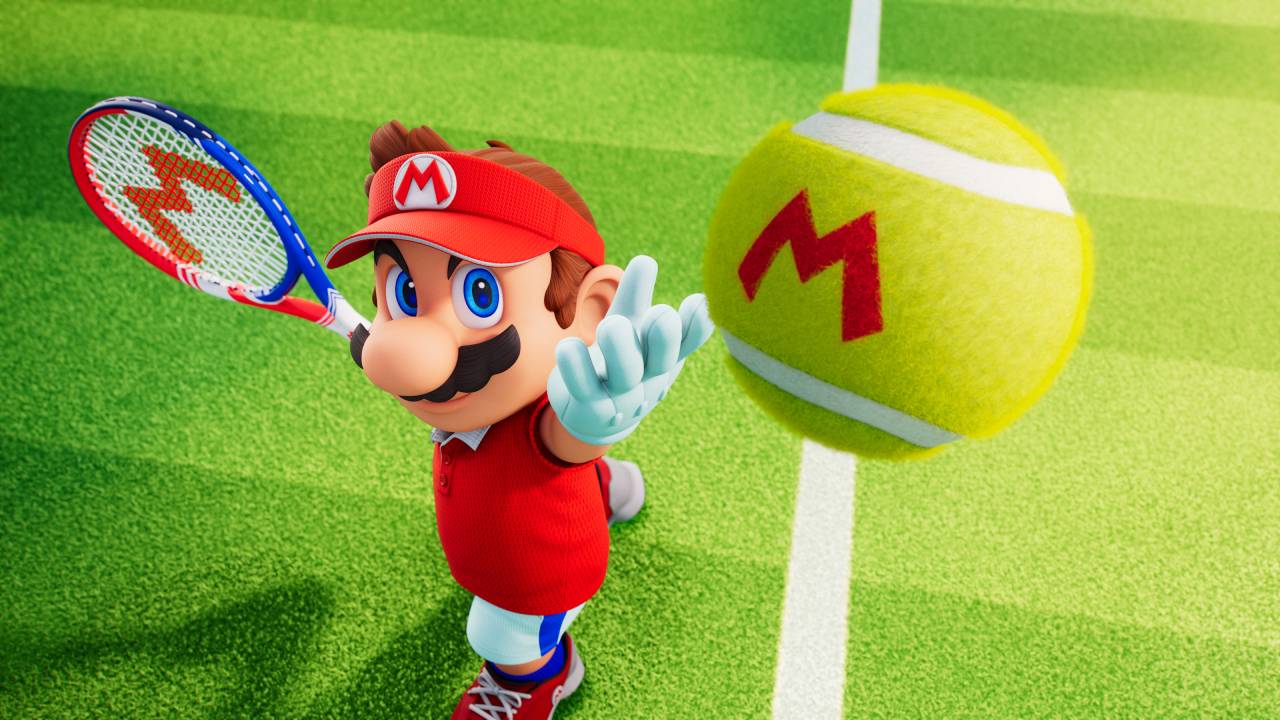
The best thing about Mario Tennis Fever is that you can play with other people.
Reviewers always say that the game is at its best when played with friends, either in real life or online. The core principles feel lively, matches are fun, and every rally has a sense of momentum thanks to Nintendo's trademark polish.
It is said that a new racket system adds tactical depth by giving players new tools to shape both attacking and defensive play. At these points, the game has the lively, fierce energy that tennis fans have come to expect.
But it looks like the single-player mode is where the game fails to live up to larger promises.
Reviews say that the multiplayer mode is fun and rewarding, but the single-player mode doesn't have any strong story or growth hooks. When compared to other AAA games, single-player can feel weak if it doesn't have interesting goals or modes that keep you playing for a long time.
A lot of the early reviews are based on the difference between the game's strong multiplayer and lighter solo material. It's important to note this difference because Mario Tennis Fever will cost $69.99 in the US, the same as full-priced AAA games.
In a time when players are looking more closely at value propositions, standards also rise. People will talk about how price and content relate when a game is great for multiplayer but not so great for playing by yourself.
This is especially true when people are paying for an experience that will last, not just be fun for a short time.
This generation, Nintendo's pricing approach is still being talked about. A lot of the company's own games cost close to or more than $70 at retail, and players and analysts have different opinions on how the company feels about high prices.
When it comes to Mario Tennis Fever, more money means more demands. When multiplayer is good but the single-player story isn't very interesting, reviews and fan opinions will naturally show that conflict.
This pattern shows that player's hopes in 2026 are affected by both how the game works and how valuable it is seen to be.
A good multiplayer suite can keep people playing a game socially by encouraging long meetings with friends and quick online matchmaking. Still, content that only one person can play often keeps solo viewers interested over time.
Where Mario Tennis Fever falls on that range will probably show how long it will be popular after it comes out. Early thoughts on the game make one thing clear: it's a game about competing and interacting with others, not about going on personal trips or following a story.
This entry brings joy and immediacy to fans who love playing in shared parades and ranking up against real people. For people who want more story depth or more organized efforts, the experience may feel purposely simple, even minimal.
Players and critics alike are also pointing to Nintendo's release plan as a whole this year.
Nintendo wants its fans to have different goals for each franchise because The Legend of Zelda: Echoes of Wisdom, Metroid Prime Resurgence, and Mario Tennis Fever are all coming out close together. It's not necessary for every book to have a huge story.
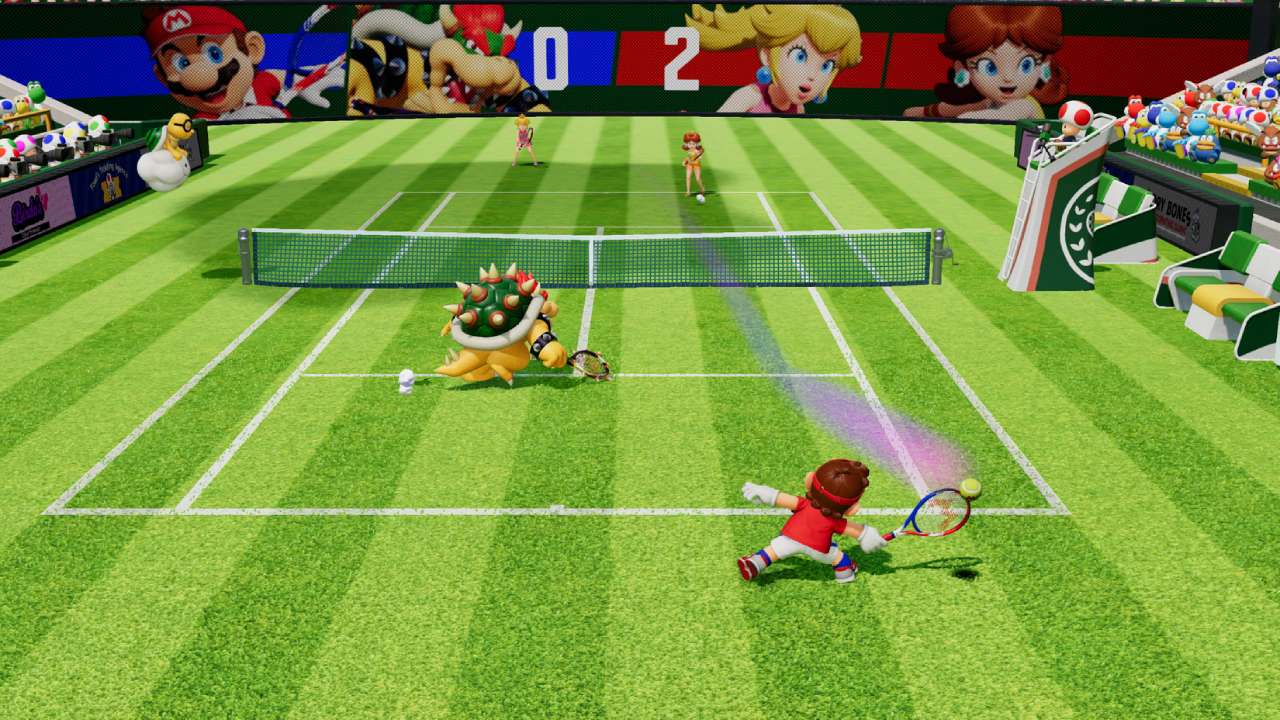
Some, like Mario Tennis Fever, are made to be social machines that keep people interested over time. In the end, the early reviews don't come to a conclusion but rather show a balance. Mario Tennis Fever doesn't change the tennis game genre, but it does make it better in ways that matter to its fans.
The competitive spirit is still there. The new rules add depth. When played with other people, either online or on the couch, the game encourages the same kind of competitive play that the series has always tried to promote.
As February 12 draws near, the focus will move from critics to players. That change could very well decide the game's legacy, deciding whether it becomes a standard for group play or a favorite among those who like its unique strengths. Mario Tennis Fever is meant to be a social surprise rather than a single epic in a world where participation and expectations are changing.
Contributor, NoobFeed
Related News
No Data.