
GameStop's Future May Lie Beyond Physical Video Games
Ryan Cohen says software now represents a small share of GameStop's business, signaling a future built around collectibles, trading cards, and a proposed eBay acquisition rather than traditional video game sales.
News by Wasbir Sadat on Jul 17, 2026
The future for GameStop could be vastly different from the retailer many gamers grew up with. The company has long been one of the largest names in physical game sales. Still, recent comments from CEO Ryan Cohen indicate that video games are no longer the primary focus of the company's long-term strategy.
The rumor comes as GameStop continues to pursue a purchase of eBay, despite earlier claims that the online marketplace was not interested in a transaction. GameStop, rather than simply walking away, appears keen to dig deeper into the prospect, with Cohen outlining how such an acquisition could change the company’s business model.
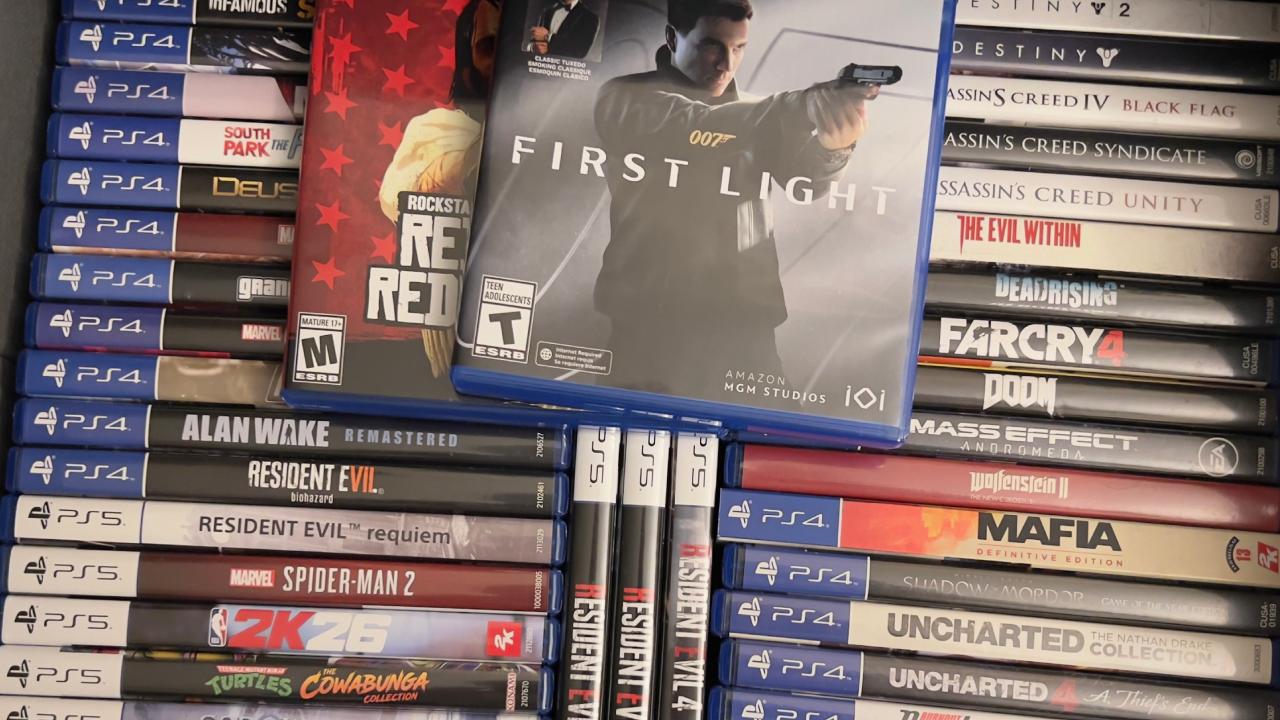
In a recent interview, Ryan Cohen emphasized prospects in collectibles, trading cards, and what he called live commerce.
Much of the talk was lacking any enthusiasm for the company’s core business of selling video games. And that immediately grabbed the attention of the gaming community. In an interview, Cohen made the startling claim that software has become largely irrelevant to the company's overall revenue, a shocking statement given that the company's entire brand revolves around gaming.
The statements seemed stunning on the surface, but also mirrored a reality many GameStop customers have already witnessed in previous years. You can walk into a GameStop today and tell the difference right away. Where formerly you’d see shelves full of new and old video games, you’ll now see shelves full of collectibles, action figures, trading cards, plush toys, apparel, and all kinds of pop culture-related stuff.
Trading card items have taken on particular prominence. Many stores now allocate a large portion of their floor space to Pokémon, Magic: The Gathering, Yu-Gi-Oh!, and other collectible card games. Some shops have even added tournament tables and seating areas built to accommodate community activities, illustrating just how focused the retailer is on extending beyond video games.
The change makes sense from a business point of view. As the game business slowly swings towards digital purchases and downloadable releases, retailers that relied on physical software have had to diversify. Used games alone are no longer enough for long-term growth. Cohen’s comments in the Bloomberg interview came against the backdrop of that shifting retail scene.
Cohen minimized the significance of software sales when asked about the ongoing shift to digital distribution in the business, particularly regarding Sony’s announced plans to further reduce its reliance on physical media. Software currently makes up less than 12 percent of GameStop’s business, while collectibles account for far over half of the company’s total sales, he said.
But in his mind, physical game sales just aren't what define GameStop anymore. Cohen kept bringing the topic back to eBay and what he thinks the acquisition can do, rather than talking about blockbuster game releases or new hardware. He has a vision that is far larger than simply running an online marketplace. Instead, he talked about a network in which GameStop stores would serve as physical hubs supporting eBay’s buying and selling ecosystem.
Trading cards were the main example.
Cohen’s plan would let users walk into GameStop stores to have valued cards verified before they are sold online, cutting down on fraud and streamlining the process for buyers and sellers. This proposal tackles one of the greatest issues about collector marketplaces. If you’re buying pricey cards online, you’re frequently putting a lot of trust in a stranger. If there are any arguments about authenticity, shipping damage, or returns, they may be long and complicated.
A countrywide network of retail establishments could verify collectibles before they were sent, solving many of those concerns. In that sense, GameStop's existing physical locations would become logistics facilities rather than typical video game stores. Even when asked about Grand Theft Auto VI and other gaming issues throughout the interview, Cohen primarily steered the conversation back to eBay and collectibles, underscoring where the company’s priorities currently appear to lie.
The declaration that games are “irrelevant” astonished many players, but GameStop's financial results suggest the corporation has been headed in this direction for years. The latest financials show a steady increase in collectibles' share of total revenue, while software sales have fallen amid the industry’s broader shift to digital.
If you look at the public financial numbers, software's share of overall sales is rather small. Hardware and accessories make up a much larger share. Some studies place software closer to the mid-teens than exactly 12 percent, but Cohen’s estimate is not far off from publicly available figures. Meanwhile, collectibles have continued to rise as one of GameStop's biggest sources of income.
The corporation has also made great strides in its financial situation in recent years. After significant losses in prior times, current reports have demonstrated positive operating profits, in part due to rigorous expense cutting. Higher-margin areas, store closures, and staff cutbacks have all helped increase profitability.
Collectibles have nice margins, especially with trade-ins, of course. Accessories have also historically been a very profitable business, and used hardware continues to have a better margin profile than new console sales. Those economics help explain why GameStop seems increasingly comfortable moving away from software and toward areas that yield higher returns.
Another issue many longtime customers have noticed is that it’s become increasingly difficult to find brand-new physical games at GameStop.
There are still plenty of secondhand titles to choose from, but customers looking for new releases will often find them out of stock or selling out quickly. That experience has made some consumers more reliant on merchants like Best Buy or Walmart for day-one physical launches, where availability has tended to be more stable. Another option is online stores; however, shipping delays can mean that release day is not delivery day.
New releases are less abundant, and there’s talk that GameStop is ordering fewer physical copies than before, which again speaks to the business's shifting priorities. Rather, many stores now specialize in used games, retro games, collectibles, and trading cards, which better aligns with the company's current goal.
For many gamers, GameStop is more than just a retail chain. This was where hundreds of gamers would come after school to explore the shelves, trade in old games for new releases, and find hidden gems during the PlayStation 2, GameCube, and original Xbox eras.
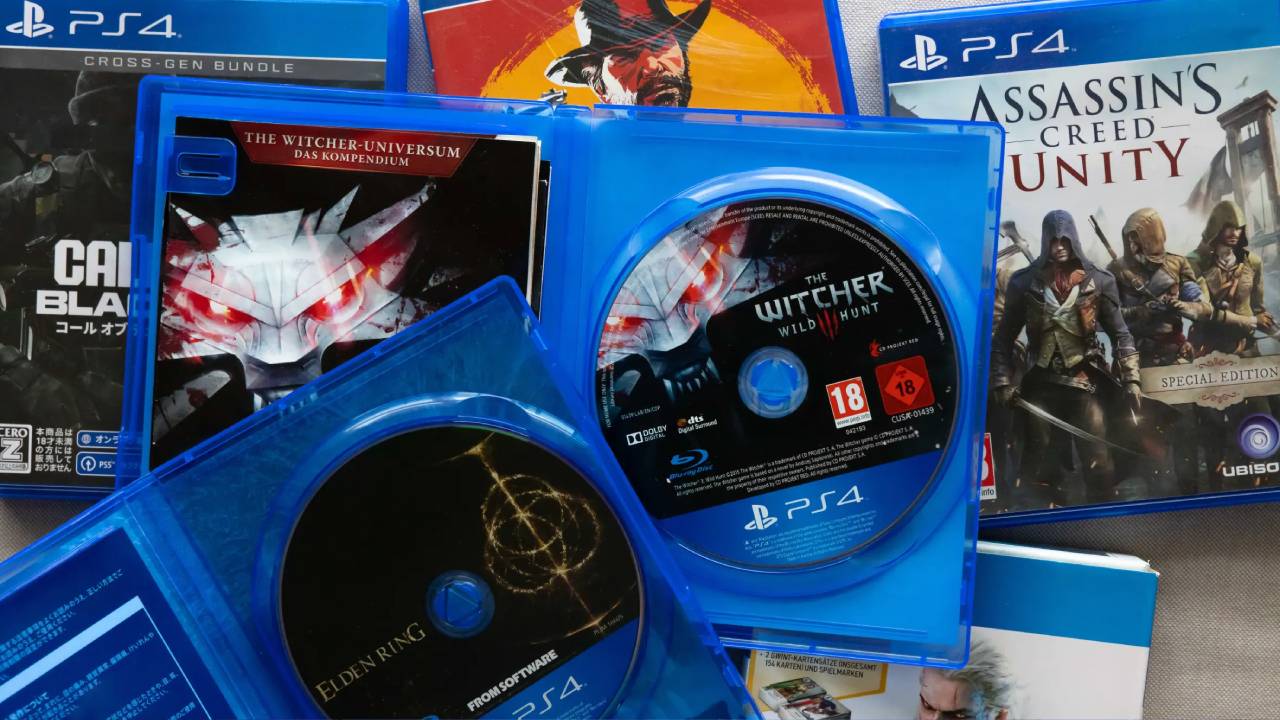
Back then, stores were mostly only about video games. Collectibles took up a small part of the shop, and practically every wall was lined with shelves of new and used games. Today’s businesses convey a totally different story. Whether GameStop will be able to follow through on the eBay acquisition remains to be seen. Still, Cohen’s statements make one thing increasingly clear: the company's future lies in collectibles, authentication services, and broader commerce, rather than in traditional physical game sales.
Should that transition continue — and especially if an eventual eBay deal goes through — the GameStop brand itself may someday face questions about whether its moniker still matches the firm it has become. For veteran gamers, the change is yet another sign of how swiftly the business continues to change. And physical games are no longer the centerpieces of GameStop’s business — and, according to its own CEO, may no longer define its future either.
Staff Writer, NoobFeed
Related News
No Data.