
Metro 2039 Brings its First Playable Demo to Gamescom as New Story Details Emerge
The long-awaited sequel is getting its first public hands-on demo at Gamescom, with new story details pointing to a darker return beneath Moscow and a major shift away from Metro Exodus.
News by Tahmid Mahi on Jul 29, 2026
Metro 2039 is about to receive its biggest showcase yet as 4A Games prepares to bring the game to Gamescom this August. You’ll finally get to play it, rather than just looking at trailers and developer updates.
As the official announcement reads, attendees will have the opportunity to explore, scavenge, and survive in Metro 2039 from August 27 to August 30, so it’s clear this won’t be another brief appearance at a packed event. A public demo also suggests that development has reached the point where the studio is confident enough to let players experience the game firsthand before launch.
That hands-on demo will also include a major gameplay presentation during Gamescom Opening Night Live.
Instead of another carefully edited trailer, you'll finally get the longest and most detailed look at Metro 2039 so far. Most of the footage we’ve seen so far has been controlled and paired with dev explanations. This presentation should provide you a much deeper understanding of how the game actually plays when someone is holding the controller.
Once people begin playing, you'll likely hear much more about how the weapons feel, how limited the resources really are, and how exploration has changed. You should also gain a better idea of how much of the game takes place beneath Moscow and whether the developers have truly delivered on their promise to return to the atmosphere that defined the original Metro.
These are details that have been difficult to judge through trailers alone, making the Gamescom demo an important milestone. It should finally answer whether Metro 2039 is staying true to the identity that longtime fans have been hoping to see.
Based on everything revealed so far, Metro 2039 appears to be moving away from the broader approach introduced in Metro Exodus. While Exodus remained a survival game at its core, it also gave Artyom and the Aurora crew large open environments filled with forests, deserts, frozen rivers, and wide landscapes where you could observe enemy camps from a distance before deciding how to approach them.
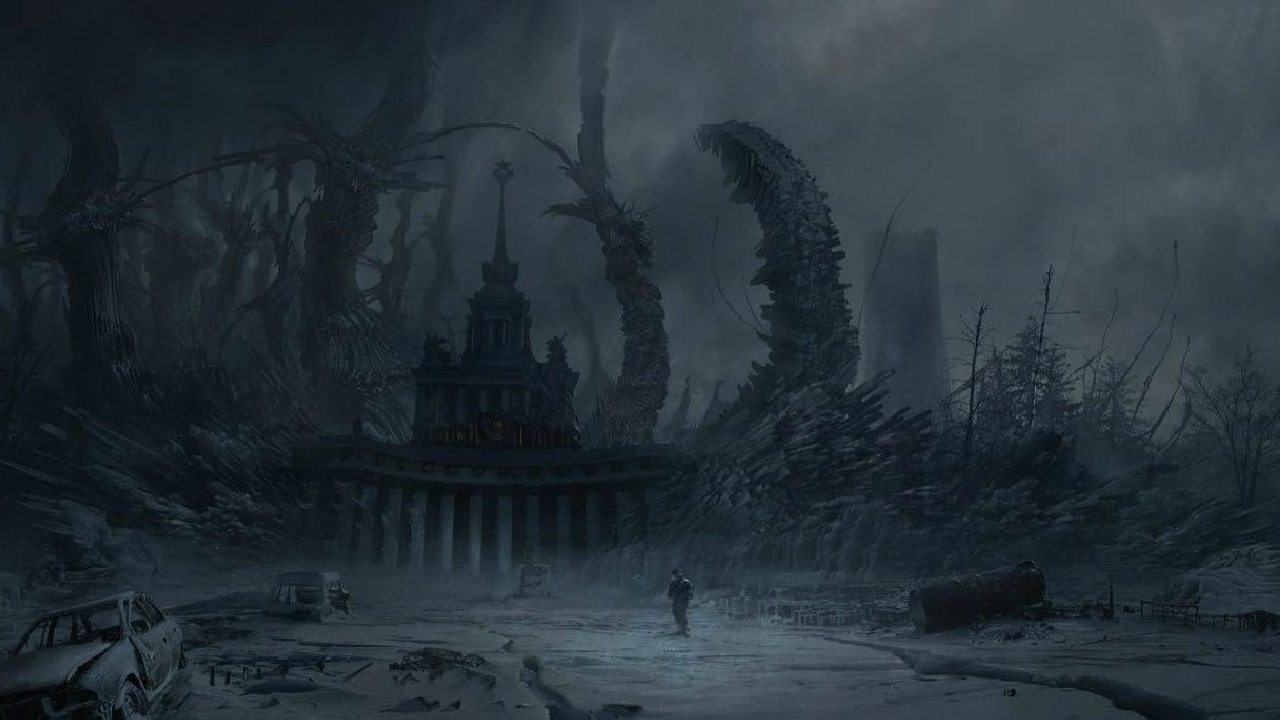
Instead of emphasizing expansive outdoor regions, you'll once again spend much more time inside tunnels, occupied stations, abandoned maintenance corridors, and the oppressive underground spaces that originally defined Metro 2033.
That doesn't necessarily mean every level will become a straight corridor or that exploration is disappearing completely. Instead, the overall design philosophy appears much closer to the original game. The world once again feels built around uncertainty, limited visibility, and the constant pressure of surviving beneath the surface.
You will also live in a society where a powerful political system controls almost everything in daily life.
Instead of trying to escape the Metro, the story again makes the underground the main focus. It’s not just about going back to old places for nostalgia. It also reintroduces the harsher tone that gradually softened as the series went on.
Metro 2033 placed us in stations that were dirty, crowded and barely functional, where people did what they could to survive. These were not comfortable places to relax between missions. Families lived beside leaking pipes, children played near armed guards, and markets, livestock, and military checkpoints all existed within the same cramped spaces.
Metro 2039 appears ready to return to that level of desperation. Stations are now reportedly ruled through propaganda and fear, while civilians live under constant surveillance by a growing regime that claims it alone can protect humanity.
That setup gives the upcoming Gamescom presentation a very different tone than the large-scale action demonstrations normally used to introduce new shooters. Instead of focusing only on combat, the strongest introduction may simply come from letting you spend time inside these stations before any fighting begins.
Watching soldiers inspect civilians, hearing public announcements, and seeing how everyday people live under this new system could tell you far more about the world than another extended firefight. Those smaller moments would help establish how dramatically life inside the Metro has changed.
They would also show how much Hunter’s influence has altered the society that once looked at him as a legendary hero. It also reinforces just how central his rise to power is to the game's narrative. That shift is becoming one of the most significant story developments in Metro 2039.
Hunter was introduced in Metro 2033 as one of the Rangers' most respected veterans and one of the strongest people Artyom had ever met.
He was disciplined and fearless and would go into the most dangerous parts of the Metro without a second thought. His philosophy was simple: if it looked hostile, it had to be destroyed right away. At the time, that mindset reflected someone who had spent years surviving among deadly mutants and hostile factions beneath Moscow.
Metro 2039 appears to explore what happens when that survival mentality evolves into an entire political system. Now Hunter runs Novorike, a regime that has apparently adopted his personal beliefs as its official doctrine.
The government rules by fear and fills the heads of its citizens with propaganda and prepares the Metro for war on what Hunter calls a terrifying enemy. He promises that stern discipline will allow humanity to reclaim the surface eventually, but all that is shown as of yet suggests those promises are being used to justify repression, militarization, and the removal of anyone considered a threat to his authority.
Hunter is an authoritarian, and his government employs giant banners, staged rallies, military iconography, and carefully scripted messages to convince people that they are engaged in a historic struggle for survival.
The Metro series has faced off against fascist ideologies before with the Fourth Reich, but this incarnation feels much more personal as the leader is someone players already know.
Hunter once fought alongside the Rangers and genuinely believed he was protecting humanity. That familiar background makes his downfall feel far more tragic than shocking. That history lends his transformation far greater weight than introducing an entirely new dictator.
This change also seems believable since the qualities that defined Hunter in Metro 2033 never really went away. Those same traits simply evolved into something much more dangerous over time. His certainty, refusal to hesitate, and belief that survival justified immediate violence were always central parts of his personality.
Metro 2039 simply examines what happens when those same characteristics gain political power over an entire frightened population. Instead of changing Hunter into someone entirely different, the game seems to follow his original beliefs to their most disturbing conclusion.
Editor, NoobFeed
Related News
No Data.