
Why Nvidia Vera CPU Prioritizes Core Strength Over Core Count?
Nvidia's Vera CPU replaces licensed Arm cores with a custom Olympus design built entirely in-house for the first time.
Hardware by Shinji Okazaki on Jul 29, 2026
NVIDIA has moved into custom CPU core design with the announcement of Vera, a data center processor built around what the company calls the Olympus core. The move marks a departure from a decade defined by ever-increasing core counts, and it points toward a different set of priorities for CPU design going forward.
Grace, NVIDIA's earlier data center CPU, was a partnership between NVIDIA and MediaTek that relied on Arm-licensed cores. Vera changes that approach. The cores themselves are designed by NVIDIA from the ground up rather than sourced off the shelf, which represents a shift in the extent of NVIDIA's control over the underlying architecture.
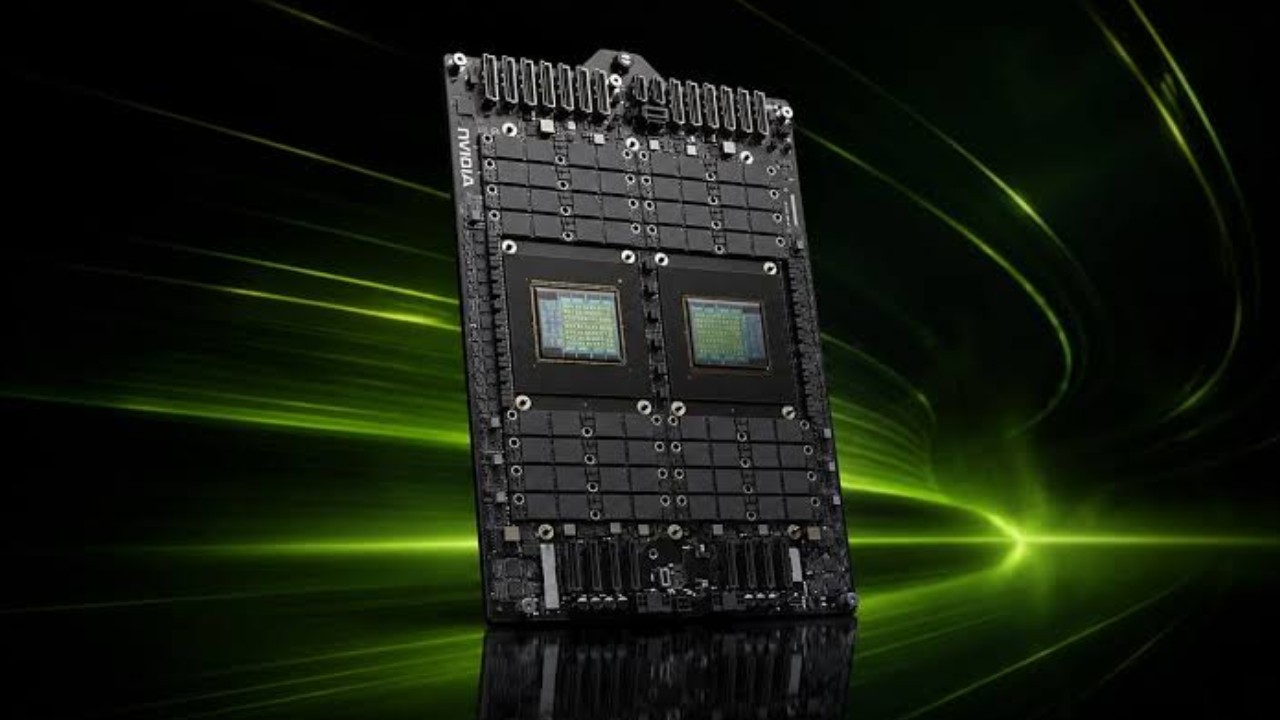
From Grace To Vera: A Custom Core Design
Vera packs 88 cores onto a monolithic compute die, running 176 threads through what NVIDIA calls Spatial Multithreading. Rather than having two threads share a core's resources through time-slicing, as traditional simultaneous multithreading does, Spatial Multithreading partitions the core's resources between threads.
One thread can run at high throughput while the other handles lighter management tasks, or the core can operate as two more independent execution paths depending on the workload. The direction Vera takes runs counter to the rest of the CPU market, which has been heading toward ever-higher core counts in data center chips.
Nvidia's decision to focus on core strength rather than core count reflects the demands of agentic AI. Coordinating agentic workloads places heavy demand on the CPU, since GPU farms sit idle without enough CPU capacity to coordinate the work being sent to them. Meeting that demand requires not just more cores, but substantially more performance per core, which is the gap Vera is designed to close.
That shift matters beyond Nvidia's own lineup. When a company with Nvidia's position in the industry moves toward stronger individual cores, competitors tend to follow, and the broader CPU market can be expected to place more weight on IPC and clock speed rather than core count alone going forward.
From Data Center To Desktop
Grace already reached desktop and laptop hardware in the form of DGX Spark and RTX Spark, both of which use the same core design that originated in the data center. That path suggests Vera could follow a similar trajectory, moving from data center deployment into workstations, desktops, and laptops over time.
Demonstrations at Computex reportedly showed NVIDIA running consumer titles on Arm-based hardware, an area in which Qualcomm had already begun to gain traction in gaming.
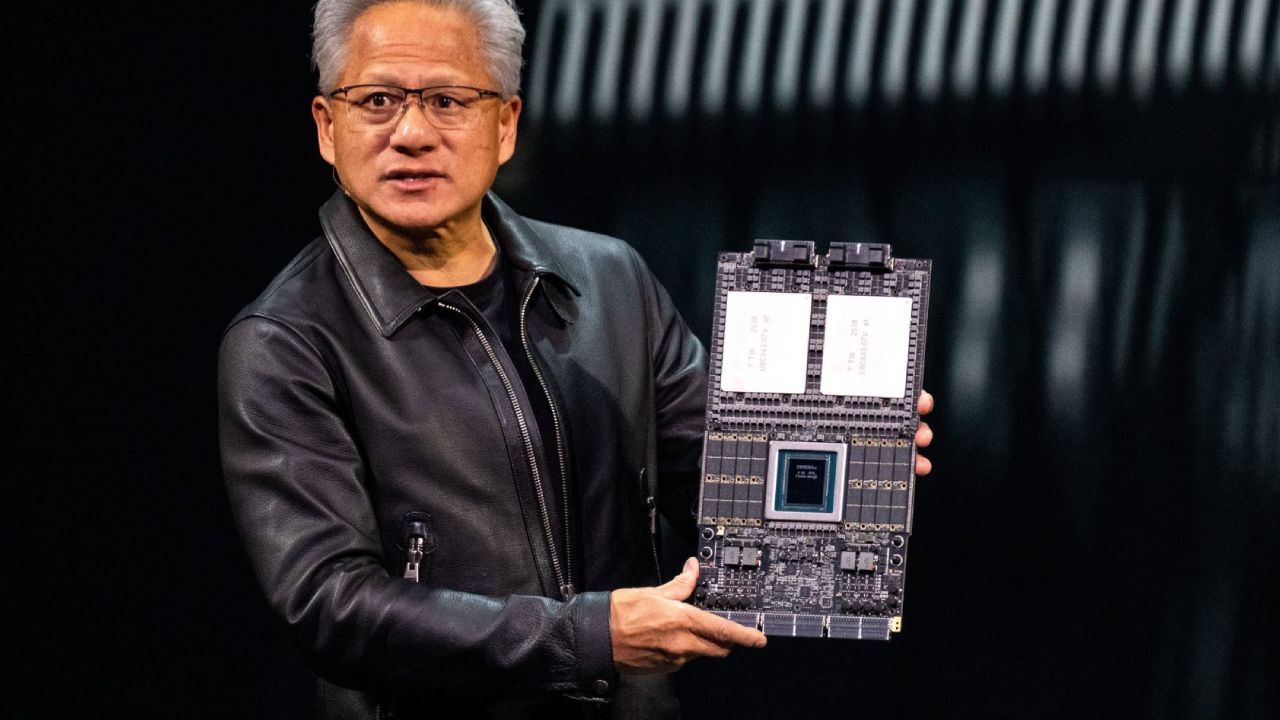
NVIDIA CEO Jensen Huang said during his presentation on the Vera CPU that Vera has about three times the memory speed per core compared to older designs. It uses LPDDR5X memory with ECC and full telemetry. To get that level of bandwidth on desktop hardware, we might need to move away from the swappable DIMs that have been standard for years and toward CAMM-style memory modules or soldered memory configurations.
A generational jump in CPU performance built around this kind of memory architecture would come with a tradeoff: reduced flexibility to remove, upgrade, or reallocate memory between systems, something that has historically been a straightforward part of maintaining or repurposing desktop hardware.
CAMM-style memory would preserve more of that flexibility than fully soldered designs, though it still would not match the raw performance of soldered memory.
Console hardware cycles give a rough sense of when this kind of CPU architecture might reach the average consumer.
PlayStation 6 is rumored to use AMD's Zen 6 architecture, meaning game development targeting console hardware over the next several years is likely to remain built around comparatively modest CPU cores. Given the typical multi-year development cycle for CPU makers to respond to a new architecture like Vera.
Any resulting shift toward stronger, higher-performance cores in consumer and gaming hardware would likely land around the time the next console generation arrives, several years out. Until then, desktop platforms may begin offering CAMM-based memory options, and some may adopt soldered memory as well. However, neither is likely to be necessary for builds not focused on maximizing every available performance frame.
Editor, NoobFeed
Gaming Hardware Updates
No Data.