
Microsoft's $300 Million Bet on Game Pass Fails: Call of Duty Rules on PlayStation
A new report says that Microsoft lost a lot of money because 82% of Call of Duty: Black Ops 6 sales went to PlayStation. This makes us wonder if Game Pass's current model will work in the long run.
News by Nusrat Choity on Oct 06, 2025
Microsoft's decision to include Call of Duty: Black Ops 6 on Game Pass at launch has sparked considerable interest and debate in the gaming industry. What was supposed to be a power move in the subscription wars may have backfired and cost a lot of money. According to the sources, a new Bloomberg report says that Microsoft lost more than $300 million by adding the hit game to its subscription service on the first day.
Analysts say that the financial loss is due to "expected lost sales" of Xbox consoles and PCs, as the game was free to Game Pass subscribers from the outset. On the other hand, PlayStation fans were happy to pay full price.
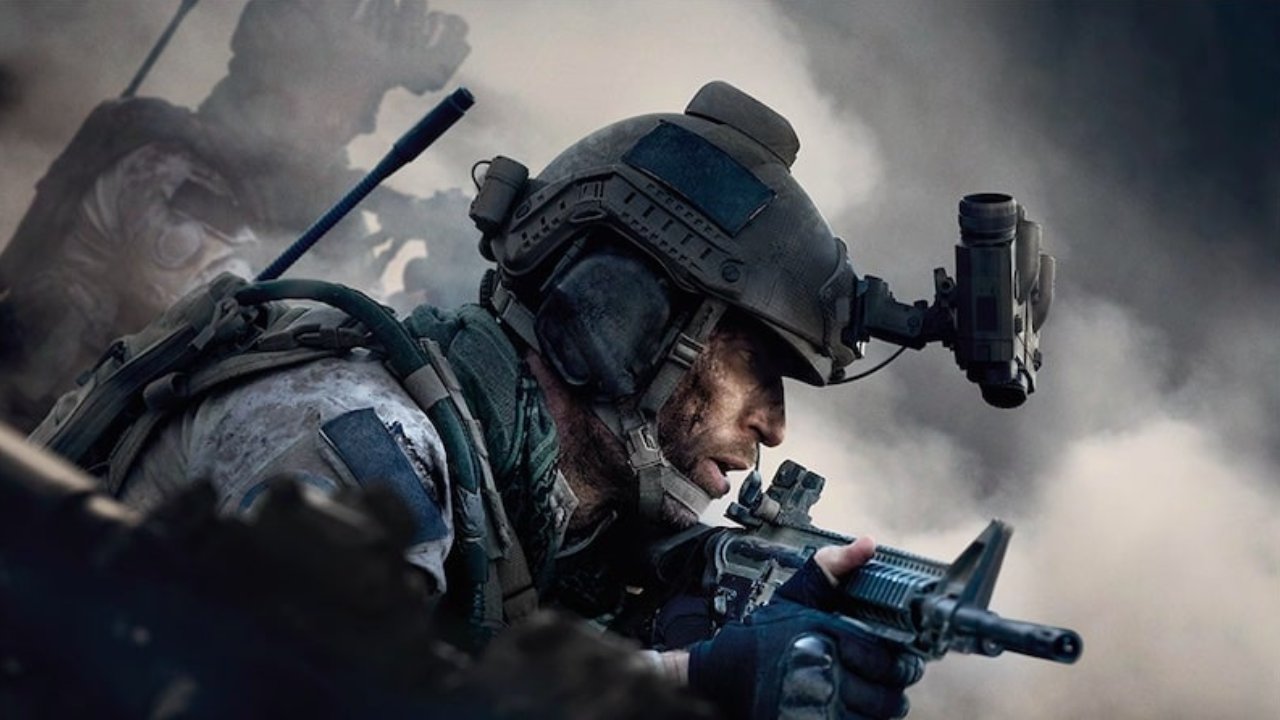
In fact, PlayStation platforms accounted for an impressive 82% of all full-price launch-month sales in the U.S., making Microsoft's Game Pass strategy appear less profitable than initially thought. Game Pass was supposed to change the way people play games, but the numbers tell a different story. During the month that Black Ops 6 came out, subscription spending in the U.S. only went up 16% year over year.
This is not the "explosive growth" that Microsoft expected after buying Activision. As one expert in the field said, "Game Pass hasn't brought about the explosive growth Microsoft expected after Activision, and they've realized that their infrastructure costs don't match their pricing model."
Microsoft couldn't have picked a worse time. Along with this news came word of a 50% price increase for Game Pass, which pushed the Game Pass Ultimate tier to $30 per month. This is the only level that still includes day-one releases like Call of Duty. The rise has sparked considerable discussion among both fans and critics about whether Microsoft's once-popular service can continue to function as it does now.
It was clear that the company's big goal was to make Game Pass the Netflix of video games. But the economics of blockbuster movies seem to be telling a different story. By putting accessibility ahead of exclusivity, Microsoft may have unintentionally gotten more PlayStation users to keep spending while Xbox players just downloaded the game through their subscription. What happened? Lower direct sales revenue and rising infrastructure costs are putting a strain on the whole model.
Sources say that people who work at Microsoft now know that the subscription's growth curve has leveled off. The idea of "play everything on day one" may no longer be enough to justify the rising costs, especially since even Call of Duty, one of the most profitable video game series, doesn't tip the scales.

This situation also highlights the enduring strength of PlayStation's traditional sales model. Microsoft is still trying to come up with new ideas based on subscriptions, but Sony's steady, purchase-based approach has worked well. Four out of five copies of Black Ops 6 sold in its first month were for PlayStation. This indicates that players continue to prefer spending their money on PlayStation games.
The future is unclear now that Game Pass is being looked into. What Microsoft does next could have a significant impact on the subscription market for years to come.
Will they continue with day-one releases, even though they're losing money, or will they switch to a more sustainable and selective approach? The $300 million question hangs in the air like smoke after a virtual firefight: Was this risk worth it, or should Microsoft reload and come up with a new plan?
Contributor, NoobFeed
Related News
No Data.