
PS6 Could Struggle to Justify an Upgrade Over the PS5 Pro
Long cross-generation support is reshaping hardware expectations while making premium console upgrades increasingly difficult to justify.
PlayStation by Masaru Hoshino on Aug 03, 2026
Launching a new console generation is a significantly different task from past hardware releases. With high-quality images already available on current-generation systems, fast SSDs and the ubiquity of 60fps gameplay, it's becoming increasingly hard for platform holders to persuade mainstream consumers that they need yet another costly upgrade.
With cross-gen support likely to be around for a few more years, the major question isn't whether new hardware will be more powerful, but if that extra power will be good enough to justify the cost.
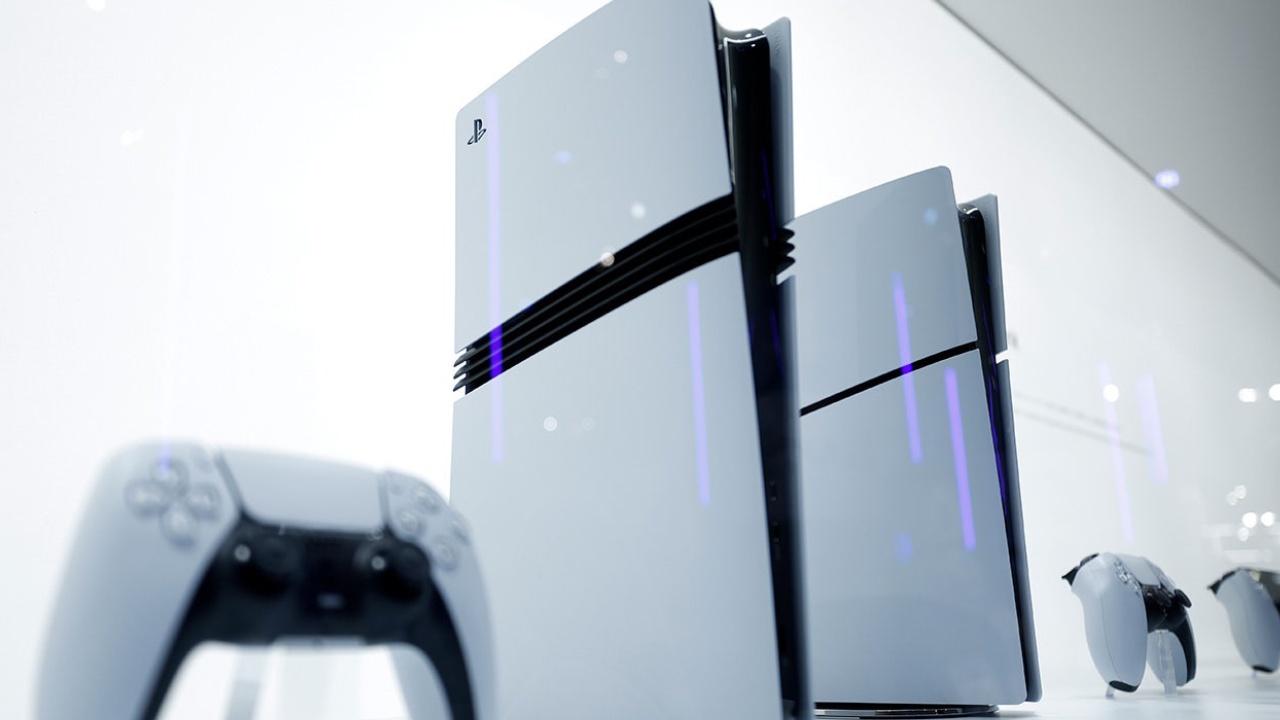
A Long Cross-Generation Future Raises New Questions
"The big worry is the expectation of a huge cross-generation period of six years or more for the industry. If devs choose the Nintendo Switch 2 as their baseline console, then games can already run at 60fps on current generation platforms. That naturally raises the question of what the next generation will actually offer.
What will the PS6 do that truly surpasses the PS5 Pro? Better 120hz support, better upscaling, and path tracing are obvious answers. However, it is difficult to see the mainstream audience rushing to spend more than $1,000 simply for better image quality, even if enthusiasts care deeply about those improvements.
Higher-End Features May Appeal Only to Enthusiasts
The expectation is that a $1,000 console could justify itself for a specific and relatively small slice of gamers rather than the broader audience that embraced the PlayStation 4 and PlayStation 5. Future hardware will likely bring more 4K120 support, support for 4K240, and possibly features tied to the HDMI 2.2 specification. Ray tracing capabilities will continue improving, but probably not through dramatic leaps, at least initially.
Current-generation games already make extensive use of RT global illumination and RT reflections, meaning much of the low-hanging fruit has already been addressed. Adding RT shadows and improving overall ray-tracing fidelity becomes increasingly iterative rather than revolutionary.
That creates a genuine marketing challenge. Much of what future consoles are expected to deliver resembles gradual refinement instead of something players immediately recognize as new. Many of those improvements are valuable to enthusiasts, but they may not resonate with the wider market.
PS5 Pro May Not Receive Long-Term Special Treatment
There is also reason for caution regarding expectations for the PS5 Pro deep into the next generation. In previous cross-generation phases, early support for improved hardware consoles was strong, but developers slowed the pace of taking full advantage of the greater hardware over time. At times, the visual options ended up being very similar to the standard console versions of the titles.
That's why it could be unreasonable to anticipate engineers continuing to deliver advanced ray-tracing technologies, PSSR 2 improvements, and deep PS5 Pro optimizations into 2029 or 2030. Once the focus of development moves to next-gen hardware, dedicated Pro support may become considerably more limited.
In the end, platform holders and game creators will have to prove something really exciting. Looking at the PC landscape today, most of the advancements are evolutionary rather than revolutionary. Those gains are appreciated by enthusiasts but not always by mainstream players.
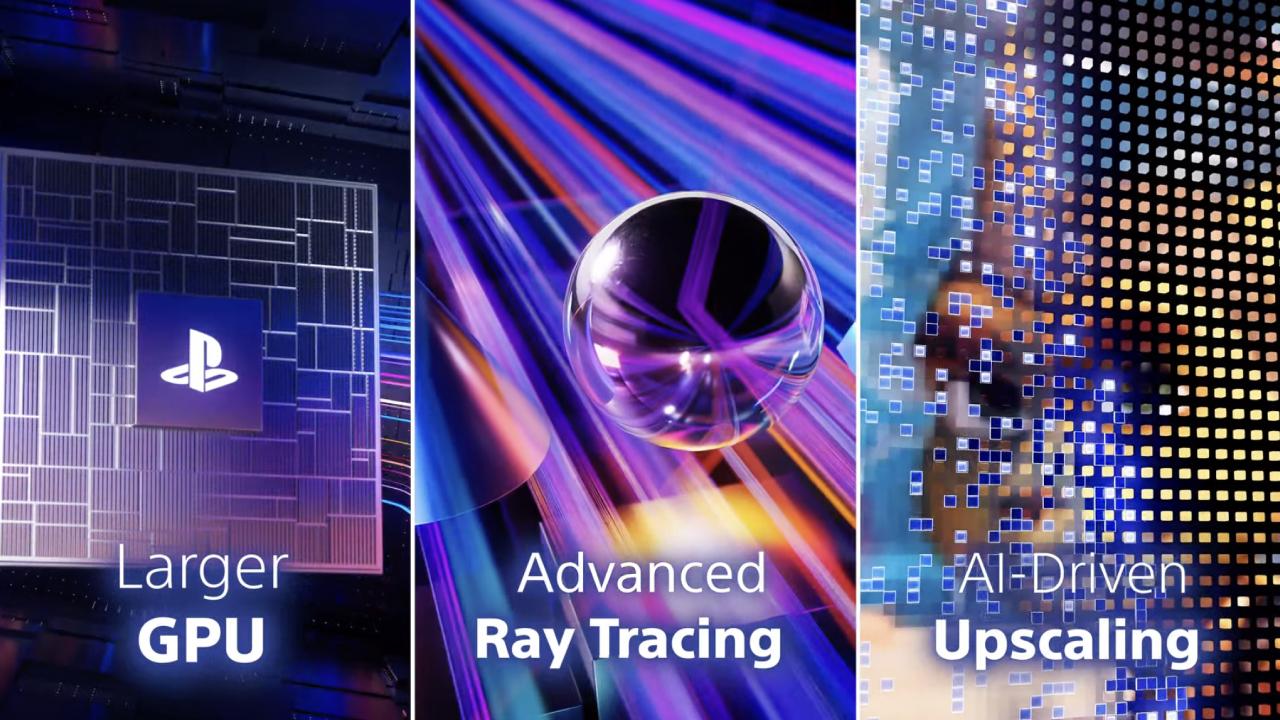
PS5 Pro: Still Has Important Advantages
Another perspective on the PS5 Pro's long-run value. Even if developers cease making Pro-specific features later, the console still gives you considerable performance headroom. Just the fact that the better hardware removes performance bottlenecks already helps a lot of titles that were initially created for the basic PS5.
Many games with variable frame rates or other performance problems on the base platform run far better on the PS5 Pro even without dedicated tuning. That extra horsepower effectively acts as a performance cushion.
In some situations, the absence of Pro-exclusive features may even produce a better overall experience because developers are not introducing additional visual features that reduce performance. While this has not been a major issue during the current generation, it remains a possibility.
Rising Costs are Changing the Console Business
The broader industry also faces challenges that extend well beyond hardware specifications. The cost of components is still very high. It is becoming increasingly difficult to make powerful consoles at an affordable price. At the same time, economic conditions have made expensive gaming hardware harder for many consumers to justify.
Software development presents another issue. Major blockbuster games now take significantly longer to create than ever before. Instead of receiving multiple releases from favorite studios during a console generation, players increasingly expect just one title, and sometimes not even that. That slower release cadence changes how people view hardware upgrades.
Forever Games Have Changed Player Habits
Another important difficulty is long-running live-service platforms. Games such as Roblox and Minecraft have become the main places where users spend most of their time gaming. Roblox, in particular, functions more like a console ecosystem than a regular game. Many players heavily involved in these platforms don't want to buy any other games besides the hardware itself. That audience is very much impossible for traditional publishers to reach, even if they already own the system.
This tendency is also affecting younger players, many of whom are less tethered to the typical console cycle that older generations grew up with. The traditional cadence of buying new gear every generation, getting many sequels, and sticking to established franchises has become far less predictable.
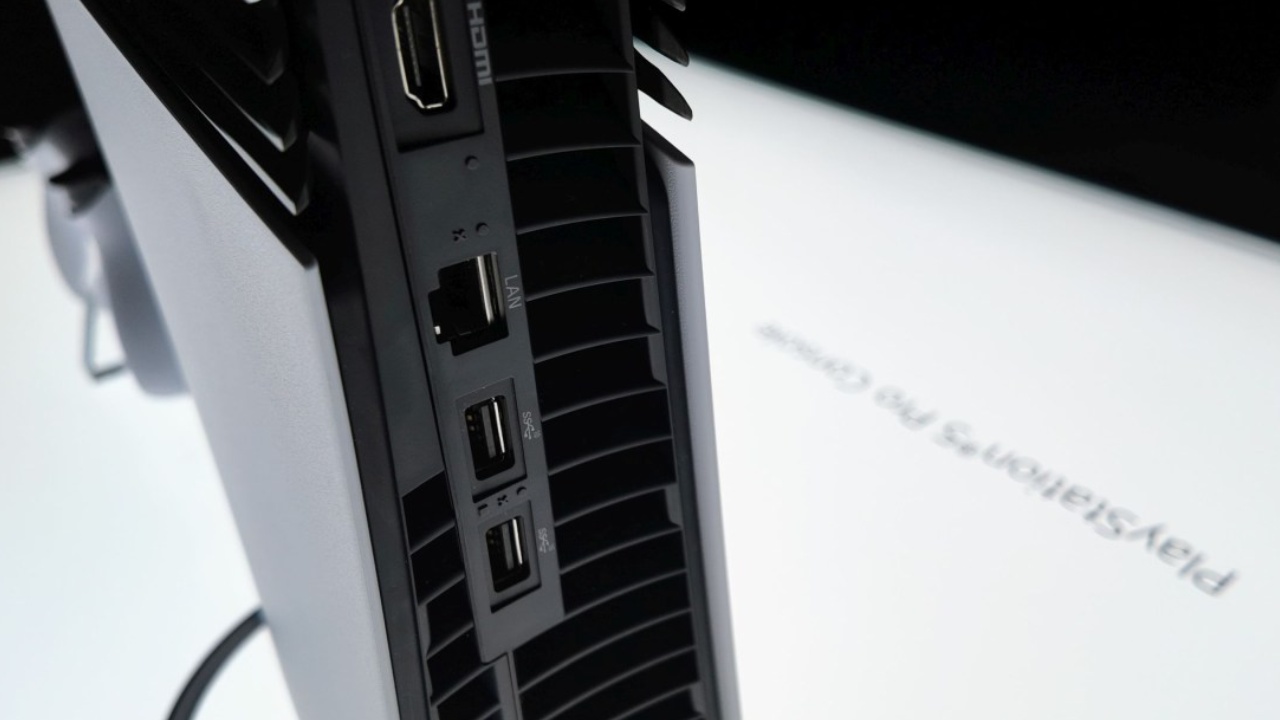
Modern Consoles Already Gave Players What They Wanted
Many of the difficulties that defined the previous generation have already been overcome by current-generation technology. The PlayStation 4 era was hobbled by a poor CPU and slow mechanical hard drives. Both of these concerns were fixed with the PlayStation 5 thanks to a far more powerful processor and speedy SSD storage. Most of the major hardware bottlenecks are gone, but developers aren't taking full advantage of the potential of SSDs yet.
Performance has also improved dramatically. Most console games now target 60fps, something players wanted for many years. Although some major releases still struggle to maintain that target, the overwhelming majority of games now offer 60fps gameplay. For average players, image quality is also approaching a point where it is simply good enough, especially when viewed on typical television setups.
Selling the PS6 Will Depend on More Than Graphics
Knowing all these factors raises one important question. How do platform holders sell an expensive new console when the primary benefits are 120fps gameplay, higher resolutions, and somewhat improved image quality? Those were largely the same promises made for the PS5 Pro. The hardware made real advances, though PSSR's second generation helped unlock much of that potential over time. Today, the PS5 Pro often offers the greatest console experience you can find.
Future hardware will undoubtedly offer stronger path tracing, better ray tracing, and additional rendering technologies. Those features can absolutely produce a genuine generational leap visually. However, if the same games continue launching on both PS5 and PS6, many players may feel far less urgency to upgrade.
Cross-Generation Support Could Reduce Upgrade Incentives
Take Alan Wake 2; it's a great example of what's happening now. The standard PS5 edition already gives you a good experience, both in 60fps performance mode and a decent 30fps quality mode. The PS5 Pro improves that experience, while high-end PCs push visual fidelity even further with advanced path tracing. Yet the same game remains entirely enjoyable across all versions.
That demonstrates the central challenge facing future consoles. The hardware people already own continues delivering experiences that are more than good enough. The final answer ultimately depends on the strategy Sony and Microsoft choose when officially introducing their next systems. They will need to justify expensive new hardware more convincingly than ever before.
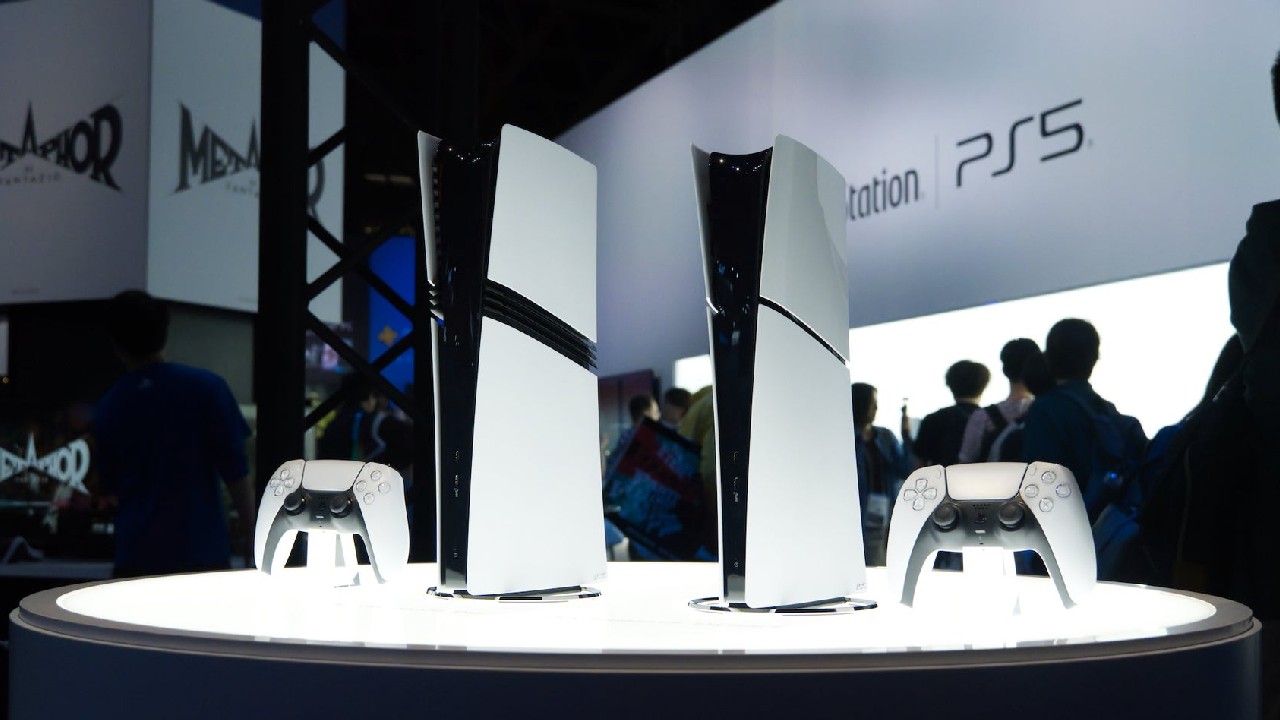
Software Will Ultimately Decide the Next Generation
Much of the anticipated PS6 feature set—120hz gaming, better upscaling, path tracing, and enhanced ray tracing—already resembles features associated with high-end PC gaming. Enthusiasts are often willing to pay for those improvements. The mainstream audience may not.
That means compelling software becomes even more important than hardware specifications. With such a large installed base of lower-powered consoles, developers have strong commercial reasons to ensure games continue delivering excellent experiences on existing hardware.
Looking at current examples, PC versions may feature path tracing and superior image quality, but the console versions remain highly enjoyable. The biggest challenge for the next generation is not creating more powerful hardware. It is creating a compelling reason for players to leave behind hardware that already feels more than capable.
Editor, NoobFeed
Latest Articles
No Data.