
Nintendo Forms Singapore Studio After Surprise Acquisition
The rapid move brings Bandai Namco Singapore under Nintendo's umbrella, signaling a major shift in development strategy ahead of the Switch 2 era.
News by Nusrat Choity on Nov 30, 2025
Nintendo has made a surprising yet strategically important move by announcing its acquisition of Bandai Namco Studios Singapore. This company has worked with Nintendo on games for a long time. Sources say Nintendo's official press release stated that the company had signed a share transfer deal, which turned the team into a new internal branch called Nintendo Studio Singapore. Since the move happened during the holidays, it caught people off guard at first.
But it quickly led to a discussion about Nintendo's bigger goals as it gets ready for a more demanding technological age. At first, it looked like the company was making a big change, but it turned out to be the next natural step after years of working together and growing.
.jpg)
The new Nintendo Studio Singapore has worked on many of Nintendo's big projects in the past. One of Nintendo's most well-known modern franchises, Splatoon, has art assets and technical help from the subsidiary. Its expertise in making in-game assets has already been used in several collaborative games.
Reports from the late 2010s for the Wii U generation say that the studio worked on early versions of Metroid Prime 4. This shows that the two companies have been working together on games for a long time. Since the two companies have been working together for a long time, the purchase demonstrates how their partnership has grown.
This purchase is also in line with Nintendo's growing trend of combining companies with which it already has a strong relationship. One example from the past is Next Level Games, whose developers created the hugely popular Luigi's Mansion. It was said that Nintendo bought that studio because the owners wanted to sell, and Nintendo jumped at the chance to make sure that one of its most reliable brands would continue to be of high quality.
The decision to turn Bandai Namco Singapore into an internal studio seems to follow a similar path: to keep good employees, protect the process, and keep the success of working together. But what's going on here might have something to do with bigger changes happening within Bandai Namco.
Sources say that recent news about Bandai Namco's reorganization and cuts has made people wonder about the company's internal direction.
In this case, selling its Singapore business may have been part of a bigger plan to change the way the company works. Instead of letting skilled workers get spread out across the industry, Nintendo stepped in to make sure it had access to a team that had already proven itself in areas that were important to its future.
The timing also works with Nintendo's increased development needs as the Switch 2 gets ready to work in the more demanding 4K era, which will raise the bar for all standards of visual quality, speed, and world-building.
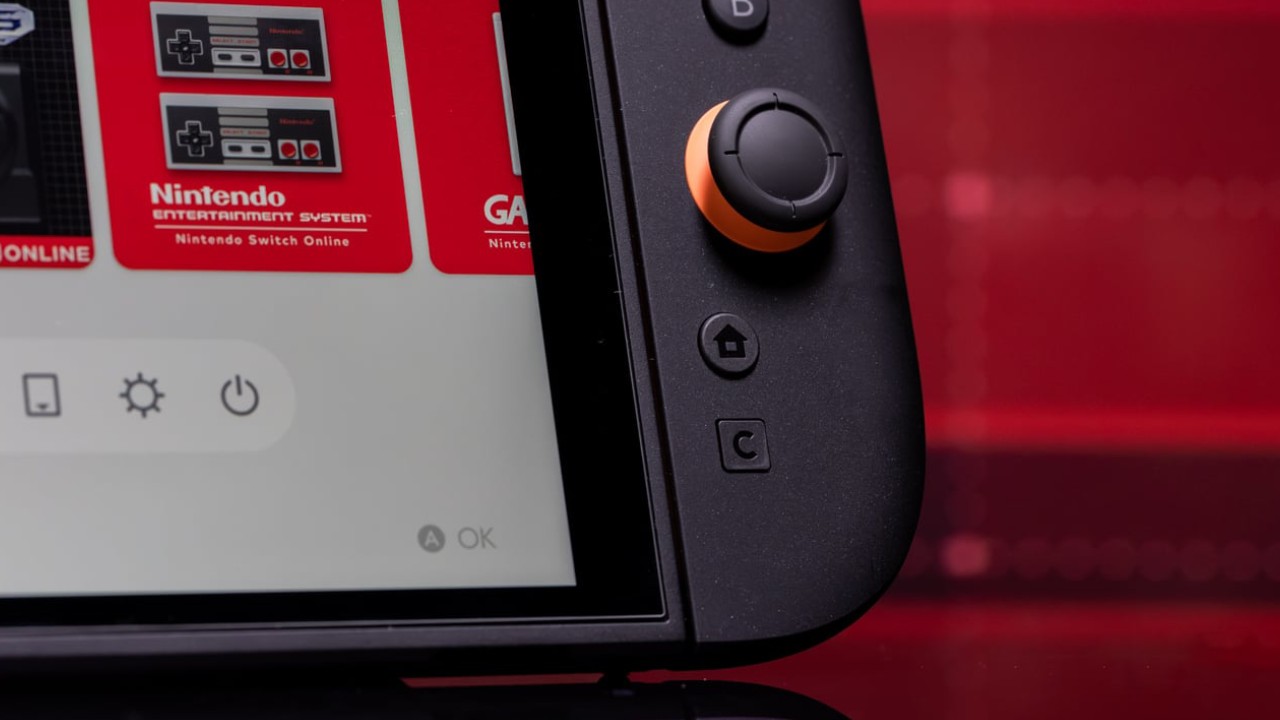
When big companies switch to devices with more advanced features, they all face new problems. Nintendo is no different. The process of making games is getting harder, budgets are getting bigger, and people are expecting better graphics and bigger worlds. Nintendo Studio Singapore's addition improves the company's internal infrastructure by providing more space for making assets, filling support roles, and ensuring that quality standards are met across all of its franchises.
This is similar to when Nintendo bought Shiver Entertainment, which helped make the well-reviewed WWE 2K25 Switch version. The game ran at 60 frames per second and had good performance, even though it wasn't quite as powerful as high-end consoles. This is a good sign for Nintendo's approach to working together.
Nintendo has grown for a long time by buying small companies instead of big publishers.
The company has looked for teams that fit with its own culture instead of buying whole companies in the past, putting accuracy over scale. Nintendo's brand and quality standards have stayed strong thanks to this chosen approach, which has also helped the company get better at keeping up with changing technology. This means that adding the Singapore team is less about fast growth and more about making the parts of Nintendo's development machine work better.
When looking back at the studio's past work, games like Pokkén Tournament and New Pokémon Snap, which were both made with Bandai Namco, give us more information about Nintendo's goals. The fact that people played these games together probably showed strengths that fit well with what Nintendo needs in the future.
As more projects move to Switch 2 hardware, having a reliable company with good technical skills becomes very important. The purchase guarantees dependability and ensures that Nintendo can keep up quality even as projects get more complicated.
Nintendo's approach also seems to be geared toward control and efficiency. As games get bigger and the art gets more detailed, having an in-house team make assets lowers the risks of outsourcing and helps keep the visual direction uniform. The Singapore company can now work directly with Nintendo, which will improve consistency across franchises and make pipelines run more smoothly. This internalization could also shorten the time it takes to make new products, which is very important in a market that is competitive and changes quickly.
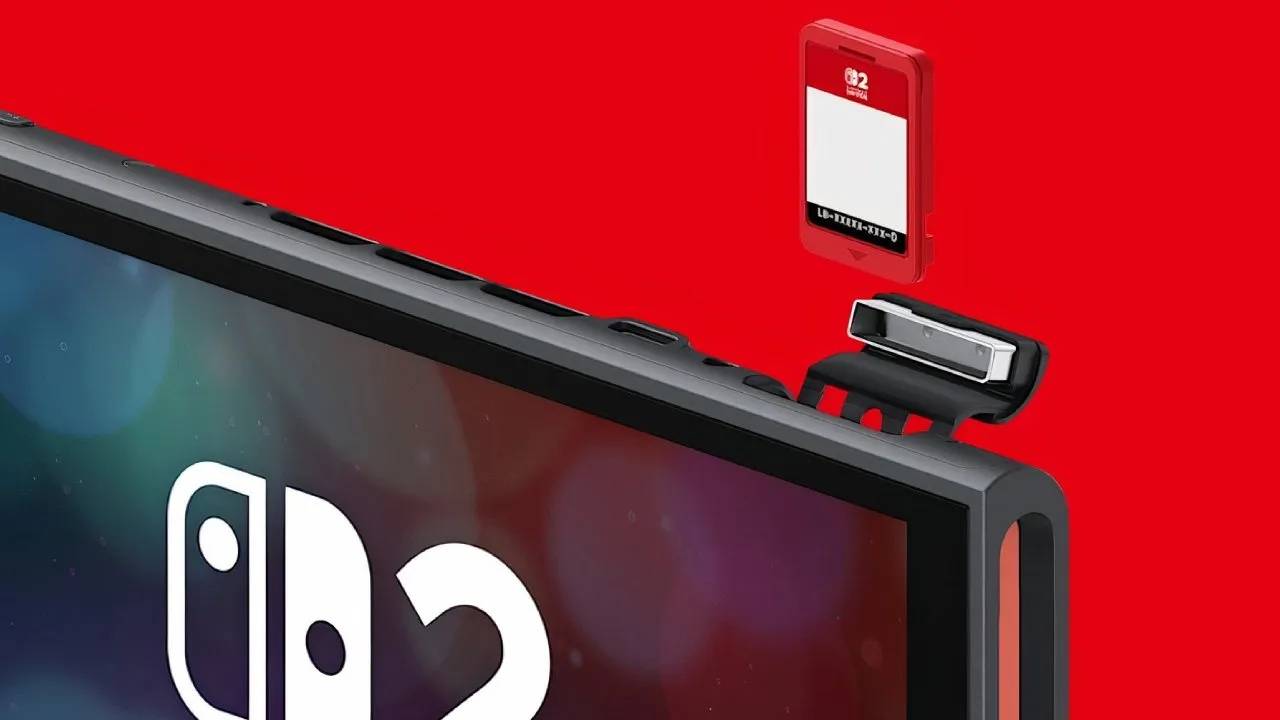
Many people were surprised when the purchase was announced so quickly, but looking back, things are clearer. The studio had been working on important Nintendo projects for a long time, and the pressures of next-gen development were making the choice a smart move to protect the company's creative future. It also shows that Nintendo is getting ready for a market that might be more competitive once the Switch 2 comes out. Nintendo is ready for the next technological stage by keeping its best employees close and making its internal structures stronger.
Still, the purchase makes people wonder about Bandai Namco's bigger plans. People who follow the company may wonder if the recent layoffs and restructuring are a change in how Bandai Namco handles its regional teams or an effort to streamline its global development network. The only thing that is clear for now is that Nintendo saw this as a chance to improve its own business and protect a relationship that always worked.
Nintendo Studio Singapore is now part of Nintendo's growing family of internal teams, each of which brings its own skills to the company's changing goals. As the difficulties in creation rise and expectations for next-gen games grow, the choice seems more and more sensible. Over the next few years, the studio's work will probably get more attention as more projects switch to Switch 2 hardware and more people want high-quality images.
Now that this surprise move is real, everyone is looking forward to the first big games the new studio makes for Nintendo. Will Nintendo Studio Singapore be a key part of the Switch 2 age, helping to create the next big franchises?
Contributor, NoobFeed
Related News
No Data.