
Nvidia RTX 5070 Ti End-of-Life Rumors Grow as GPU Shipments Drop and 16GB Cards Vanish
Conflicting statements from Nvidia and ASUS raise serious questions about availability, memory configurations, and future GPU launches.
News by Tanisha Aria on Jan 21, 2026
It's getting harder to tell what's going on with Nvidia's RTX 5070 Ti because different stories are making the PC hardware community confused. There are now rumors in the business world that the card may be pretty much dead, even though formal statements say otherwise.
There is no doubt that memory settings, availability, and roadmaps for future GPUs are all getting harder to understand and follow.
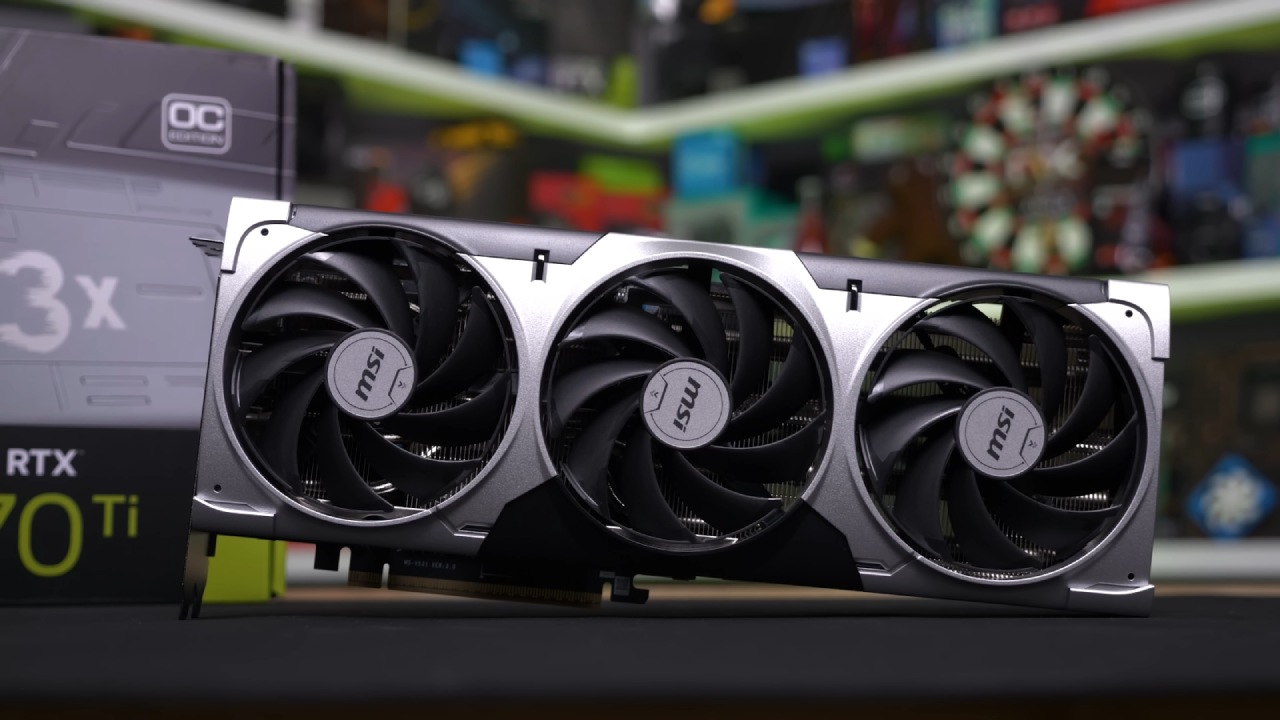
It was said that ASUS told a big hardware publication that the RTX 5070 Ti has been marked as "end of life" for that partner.
ASUS says Nvidia is not sending any more stock, meaning the model will no longer be made or sold through that route.
That kills the card in the real world, at least from one of Nvidia's biggest board partners. This aligns with earlier business discussions that supplies were running out much faster than expected.
But Nvidia doesn't agree with this framing. The company said there is still strong demand for GeForce RTX GPUs and that the current problems are due to a lack of memory, not to products no longer being made.
NVIDIA says it will keep shipping all GeForce SKUs and is working closely with memory providers to make sure there is plenty of memory. Customers and analysts are now stuck, as they have to choose between what Nvidia says publicly and what board members seem to feel personally.
This story is not the first to say this. Previous news stories had already said that Nvidia was moving away from Ti-class GPUs with 16GB of memory. It looks like the RTX 5060 Ti will launch only in an 8GB version.
The 16GB and 70GB versions are likely to be discontinued for good. This means that the RTX 5080 is the only widely available 16GB choice below the very expensive RTX 5090, which is still out of most buyers' price range.
Several news sources and confirmation from at least one major board partner say that Nvidia may still technically be "shipping" these GPUs, but only in a limited or symbolic sense. It makes it more likely that the company's claims are exactly correct, but they don't mean much to people buying hardware.
Reports that Nvidia is reducing the total number of GPUs it ships by about 15-20 percent make things even worse. It is said that this drop affects all of the products, not just the 16GB models. This means that allocations are tighter and availability is lower for everyone.
Worse still, the claim is that Nvidia has no plans to release any new GPUs in 2026. If this is true, it would mean that there will be no more Super-series updates, and the current list will stay the same.
The RTX 60 series, the next big version, wouldn't come out until the second half of 2027 if this plan goes through. If that happens, users will be stuck for a long time with little to no supply and few useful ways to update. These reports make it seem like things may get worse before they get better for PC gear. The year has already been off to a rough start.
On the AMD side, old claims of stable prices have resurfaced. AMD has said again that it is trying to keep GPU prices close to MSRP. To do this, it says that it has strategic partnerships with DRAM makers to keep costs down.
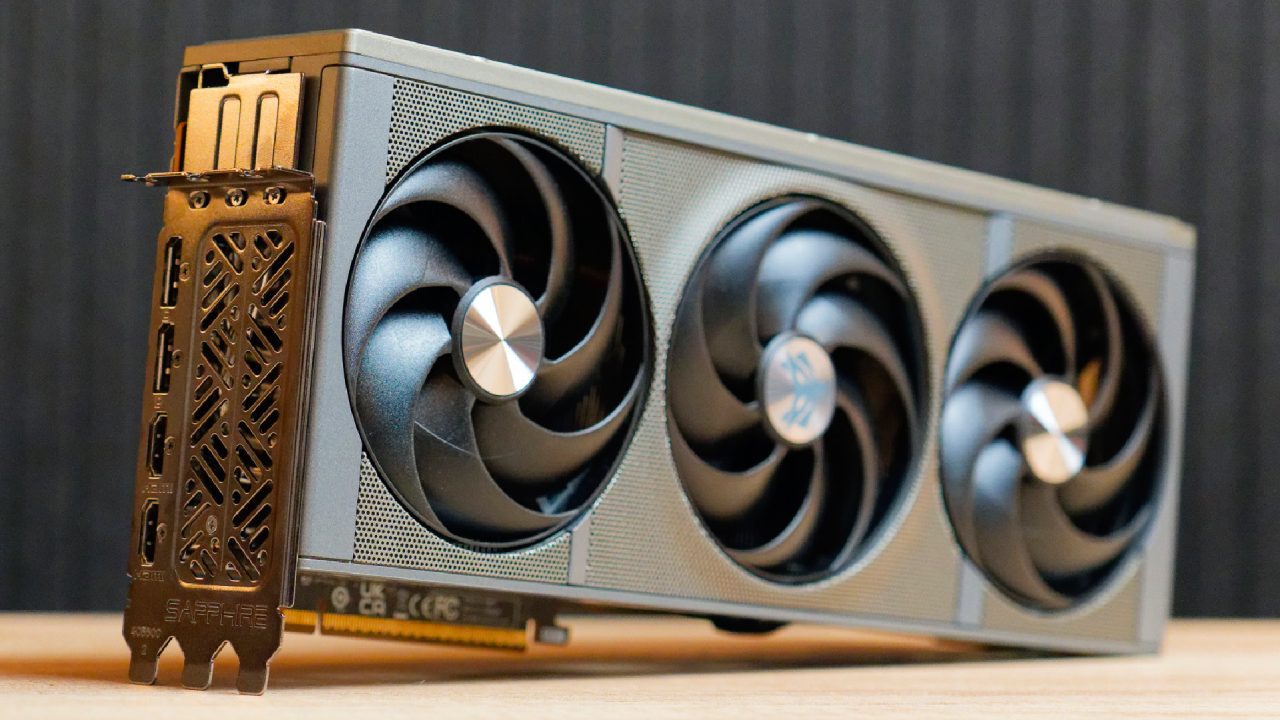
The RX 9070 and RX 9070 XT stayed well above MSRP for a long time, sometimes longer than Nvidia's own price increases.
The past few years, though, have made many people doubtful. People have made similar promises in the past, but the results rarely lived up to the words.
Even so, AMD seems to be making progress in the tech world. The company has filed a new patent titled "balanced latency stacked cache." This suggests they want to use 3D V-Cache for more than just L3 cache, and maybe even L2 cache.
The goal is to make the cache bigger while keeping or even improving latency. This could lead to big improvements in gaming and other tasks that need low latency. It's not clear when this will be available in consumer goods. However, it shows that AMD is still coming up with new architectural ideas.
Intel's work on discrete GPUs is also still unclear. Reports say that AIB partners have not yet gotten the boards they need to test the Arc B770. Usually, that's not a good sign for a start coming up soon.
Intel might choose a limited release or one made only by Intel, with no third-party cards. That might make operations easier, but it would make it much harder to get and wouldn't help Intel grow its GPU market share.
From the consumer's point of view, small drops hurt trust and acceptance. Intel needs many partners to support Arc and ensure its long-term success. A limited start would send the wrong message.
Problems with software are also making things more difficult. Users of Monster Hunter Wilds found that slow performance was caused by a background check to see who owned DLC. When the game constantly checks for unowned DLC, it can significantly slow frame rates, especially on less powerful CPUs.
Some users said their speed almost doubled after the check was skipped, which can only happen if you own all the DLC. This looks like an accident rather than a bug intended to happen. Still, it shows how fragile speed optimization can be and how often community investigations uncover problems developers missed.
The time has come for online games to face their own truth. Amazon's massively multiplayer online game New World is set to shut down in January 2027. That gives players about a year to leave before the computers go down.
Even though interest had already dropped, the news makes it even harder to keep big internet games running for long. For those who are still committed, it makes it clear when their experience will end.
Changes are happening in more than just games. Microsoft, Meta, and Amazon have all signed AI licensing agreements with Wikipedia. This means that its material can be used to train AI models. This gives money to the Wikimedia Foundation and might lead to fewer lawsuits in the future.
However, it also ensures that a source once frowned upon in schools is deeply ingrained in modern AI systems. It's hard to miss the irony.
Concerns about owning vs. subscribing are still a common theme. In some cases, cloud computing, software subscriptions, and digital-only distribution methods make it harder for users to keep control.
There are, however, more options than ever before, such as open-source tools and free software that work just as well as paid solutions in many processes. The landscape isn't exactly even, but it's not completely controlled by one company's goals either.
There are trends toward subscriptions and online services. However, there are also still things like local computing, self-hosting, and offline ownership.
You still have choices, but it's getting harder to figure out what they are. Some businesses clearly gain from relying more on the cloud. In contrast, others keep investing in solutions that work locally first. On both sides, there are incentives.
The amount of uncertainty is what stands out the most. It's getting harder to find GPUs, it's not clear when new ones will come out, prices are still going up and down, and software platforms are getting more complicated.
We can see patterns and paths, but it's still hard to know for sure what will happen. Different incentives, technical limitations, and quick experimentation shape the business, and not all of it will work.
A lot of these changes will fall somewhere in the middle. Some will work, some won't. As long as PC hardware and software keep changing in unpredictable ways, the best thing to do is to stay educated, skeptical, and open to new ideas.
Contributor, NoobFeed
Related News
No Data.