
Sony’s No-Disc Strategy: The Future of Digital Monopolies
From inflated storefront prices to vanishing digital licenses, Sony’s war on discs is a direct threat to game ownership.
PlayStation by Mymunah Tasnim on Jul 16, 2026
The last two weeks have seen Sony announcing that it will be discontinuing all physical games production, opting to release all their games digitally by early 2028. The former head of PlayStation, Shawn Layden, did not mince his words when he called it simply a spreadsheet decision, devoid of any fan consideration.
Since then, the backlash hasn't slowed down one bit. Every time PlayStation posts on social media, you'll see the replies flooded with comments accusing Sony of trying to build a digital monopoly. The comments outnumber the likes by a wide margin, and it doesn't matter what the post is about; GTA 6, Call of Duty, Palworld, Assassin's Creed, you name it.
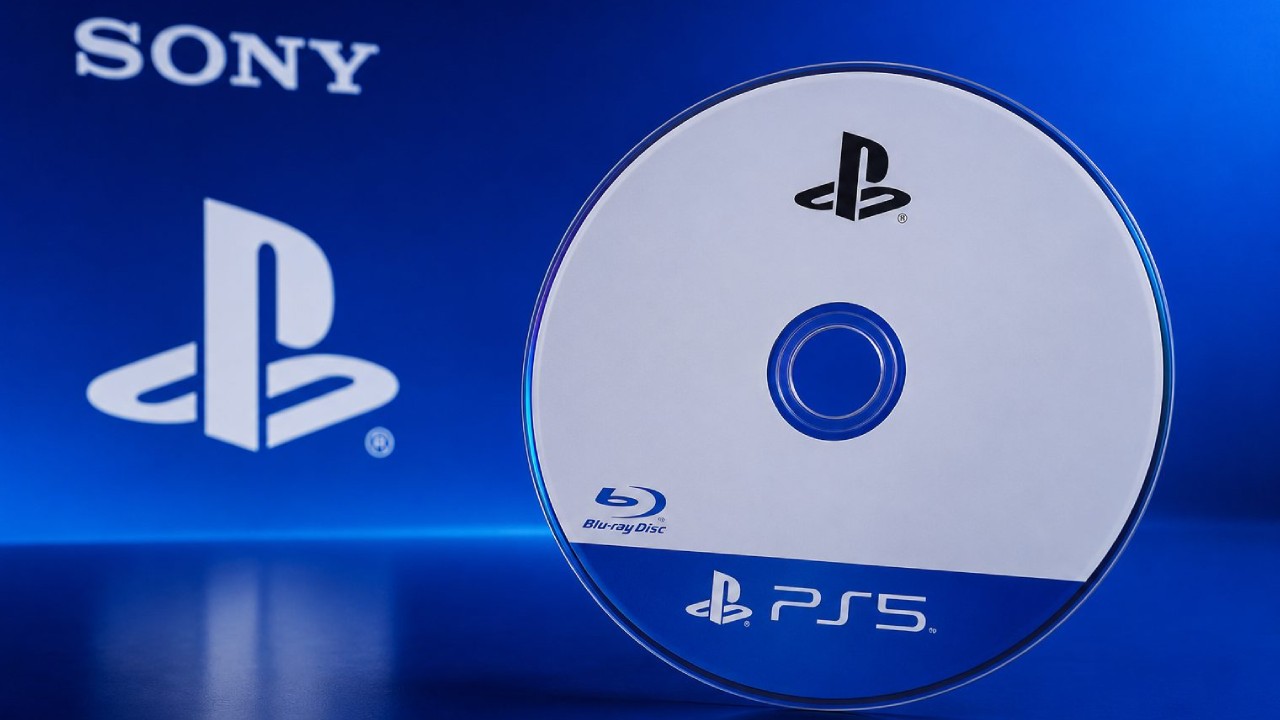
Sony's response so far has been to offer discounts to PS Plus subscribers who canceled their memberships in protest.
A Dutch consumer group has filed an antitrust lawsuit worth $457 million over the decision. Sony has historically avoided accusations of monopoly by pointing to the existence of a physical market and third-party retailers as evidence that it doesn't control pricing. Now that it's killing off physical games, that defense is gone, and the company basically pulled the rug out from under itself.
Physical games and secondhand sales give players the freedom to shop around for better deals, something you lose completely once everything lives inside one storefront. Recent studies have even shown that PS5 discs are consistently cheaper than their digital counterparts.
As for why Sony wants to make this move, games analyst Dr. Serkan Toto laid out the financial side pretty clearly. When a retailer sells a physical copy, they keep at least 30% of the revenue. But when Sony sells one of its own titles digitally, it pockets the full $70 or $80 price. Add in the production and packaging costs tied to discs, and it's not hard to see why going all-digital looks appealing from a profit standpoint.
The problem is, history shows what happens when one company controls the entire supply chain for something people depend on. Samsung, SK Hynix, and Micron didn't look at how many devices rely on RAM and decided to keep it affordable; DRAM prices have instead jumped a staggering 700% over four years.
Once there's no competition, you're stuck paying whatever price the PlayStation Store decides to charge, and discounts become rare.
The fear has now reached international lawmakers. Mexican federal representatives are preparing their own antitrust action against Sony, and this whole situation keeps escalating well beyond the gaming press. Shawn Layden’s comments added even more fuel to the fire.
He said the decision to stop producing discs felt dramatic and, again, like a decision made purely by looking at a spreadsheet rather than considering consumer sentiment. He also doesn't think secondhand sales were the deciding factor behind the announcement made back on July 1st.
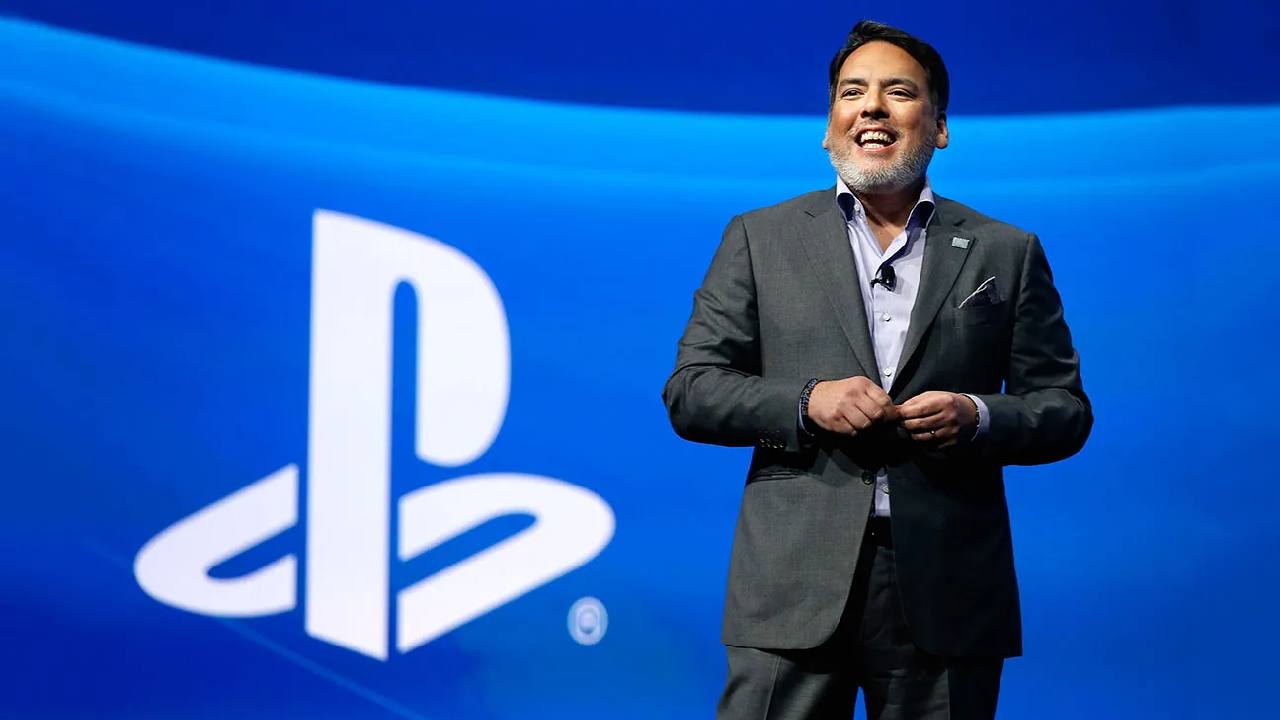
According to Layden, ending disc production almost certainly means the PS6 will ship without a disc drive at all. He also brought up something he called the tipping point, weighing the percentage of opportunity against the percentage of actual revenue, which has become one of the strongest arguments against Sony's digital-only push.
Sony, meanwhile, is leaning hard on a stat that sounds impressive on the surface: 85% of PlayStation game sales in the fourth quarter of its last fiscal year were digital. But that number is misleading. It doesn't separate games that were sold as both physical and digital from those that were released as digital-only. Since there are far more digital-exclusive titles out there right now, the overall digital sales percentage will naturally skew high.
The numbers don't really show what players actually prefer when they have a real choice between physical and digital.
Leaked Insomniac Games data showed that Spider-Man sold 54% physically and 45% digitally. God of War Ragnarök came in at 76% physical to just 24% digital. Even Astro Bot, which won Game of the Year at the 2024 Game Awards, sold 55% physically and 45% digitally.
More recent breakdowns back this up, too; Ghost of Tsushima Director's Cut sold 71% physical to 29% digital, and The Last of Us Part II sold 61% physical to 39% digital. Sure, there are cases where digital sales pull ahead, but it's nowhere near the landslide Sony wants you to believe, and it's not a small enough slice of the market to just write off.
A big reason players keep reaching for physical games is price. The PS Store consistently charges more than outside retailers for the exact same titles. A comparison of five popular games found Red Dead Redemption going for $24.99 at Walmart versus $49.99 on the digital store. God of War Ragnarök was $28.69 at Walmart compared to $69.99 through Sony.
Hogwarts Legacy ran $22.99 on Amazon versus $69.99 on PlayStation. That pattern repeats itself over and over, and it's a big part of why so many gamers feel like this move to all-digital isn't really about convenience. It’s about control over pricing, control over the product, and control over a secondhand market that would basically disappear the moment physical games stop existing.
.jpg)
Retailers are speaking up, too.
Video Games Chronicle reported that a UK retail group condemned the decision, calling it a triumph of corporate convenience over consumer choice. According to the Entertainment Retailers Association, roughly a quarter of gamers under 25 still use discs regularly, and the disc-based market was worth more than €30 million last year alone. That's a substantial and loyal audience that isn't going anywhere.
The group also pointed out that people deserve the freedom to choose how they buy their games, and removing discs doesn't move the industry forward; it just takes away options. There's also a bigger tech industry pattern worth paying attention to here.
Samsung, SK Hynix, and Micron control about 90% of global RAM revenue and are currently facing a class-action lawsuit for allegedly conspiring to fix prices on DDR3 and DDR4 chips, driving costs way up. RAM is in everything from phones, computers, consoles, and even smart fridges, and that shortage is part of why companies like PlayStation, XBOX, and Steam are pushing next-gen console prices toward the $1,000 range.
For many gamers, that price point is enough to make them consider switching to PC rather than buying another console. Sony doesn't officially allow players to change their PSN region. With physical games, you could technically still play your library no matter where in the world you moved. But using a PlayStation account tied to a country you no longer live in actually violates Sony's terms of service.
To compare, Nintendo lets you switch regions in just a few clicks while keeping your whole library intact.
XBOX and Steam also both support legitimate region transfers. Once physical games are gone and the PS6 ships without a disc drive, players who relocate could be stuck facing account restrictions, or worse, forced to start over with a brand-new account and lose access to everything they've already purchased. None of this has stopped the pushback from growing.
A player-led Save Physical Games petition has already crossed 300,000 signatures. Beyond that, the $457 million antitrust lawsuit targets the 30% markup baked into every purchase on the digital store, which people have started calling the "Sony tax."
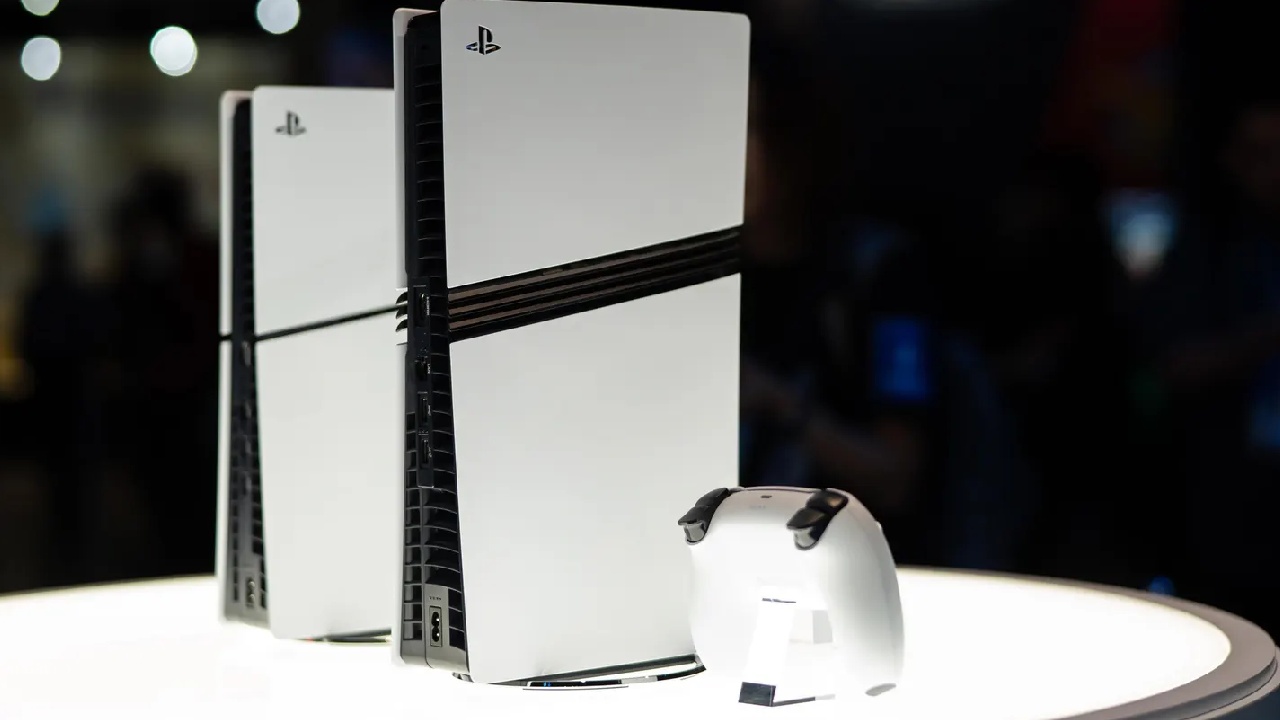
Brazil is pushing its own set of requirements too, aiming to protect gamers there from losing access to titles once PlayStation marks them as end-of-life, including demands for offline modes and refund options. And now Mexico has entered the picture, with lawmakers preparing to file a formal complaint with the country's antitrust authorities.
The complaint reportedly references Sony removing purchased content from European users' libraries in 2022, along with the more recent news that licenses for over 500 movies and shows expired and were pulled from accounts without warning or refund. One lawmaker involved put it bluntly, saying Sony would essentially become the referee and the player within its own ecosystem, controlling every part of the game.
The formal complaint also raises a practical concern that isn't discussed enough.
Not everyone in Mexico has reliable high-speed internet, so building an entire platform on the assumption that everyone does is a real problem. On top of that, killing off physical games would wipe out the resale, lending, and collecting markets completely, leaving Sony as the only entity setting prices for games sold through its platform.
Developers would take a hit too, becoming fully dependent on PlayStation's digital infrastructure and whatever commission rates or terms Sony decides to impose down the line. By pushing out retailers and dismantling the secondhand market, Sony gets to set every rule while still charging full price for games that are years, sometimes over a decade, past their release.
All of it circles back to the same motive: to maximize profit, even if it means shrinking the options available to the people actually buying the games. Whether Sony ends up backing off this plan or pushes forward regardless of the lawsuits and public pressure remains to be seen, but based on how things have gone over just the past two weeks, this fight over physical games is far from over.
Editor, NoobFeed
Latest Articles
No Data.