
PlayStation's Bluepoint Shutdown Feels Like a Self-Inflicted Wreck
A celebrated remake specialist, Bluepoint, gets the plug pulled after the live-service detour that never fit.
News by Mahi Araf on Feb 20, 2026
If you have spent any time watching big publishers trip over their own feet, you have probably built up a tolerance for messy decisions. Even then, this one lands differently. According to a Bloomberg report from Jason Schreier, PlayStation is shutting down Bluepoint Games, and it is the kind of move that makes you stare at the timeline and wonder how it even gets to this point.
The report says around 70 employees are set to lose their jobs, and PlayStation framed the decision as the result of a recent business review, with the studio expected to close next month. Sony also put out the usual praise for the team, calling them incredibly talented and crediting their technical expertise for exceptional experiences.
That corporate thank-you reads hollow when you picture what a closure actually means for the people inside the studio. You are not talking about a team that had a reputation for missing deadlines, shipping broken games, or drifting without direction.
You are talking about a studio that, for years, built an identity around being dependable and precise. Bluepoint became synonymous with taking beloved older titles and giving them modern production values without sanding off what made them special in the first place.
When you think about why Sony bought them in 2021, that track record is the entire point. They were already doing high-profile work in PlayStation's orbit, and the acquisition looked like the company locking in a proven partner for the long haul.
That is why the shutdown feels so confusing.
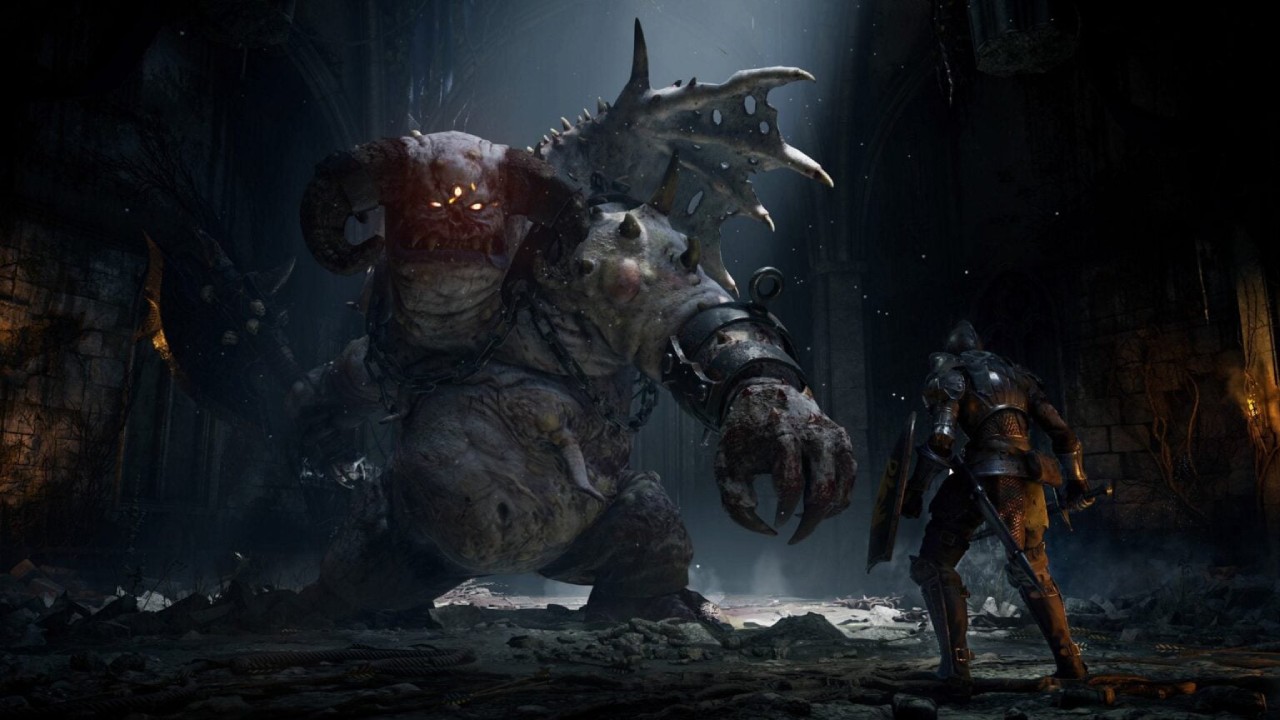
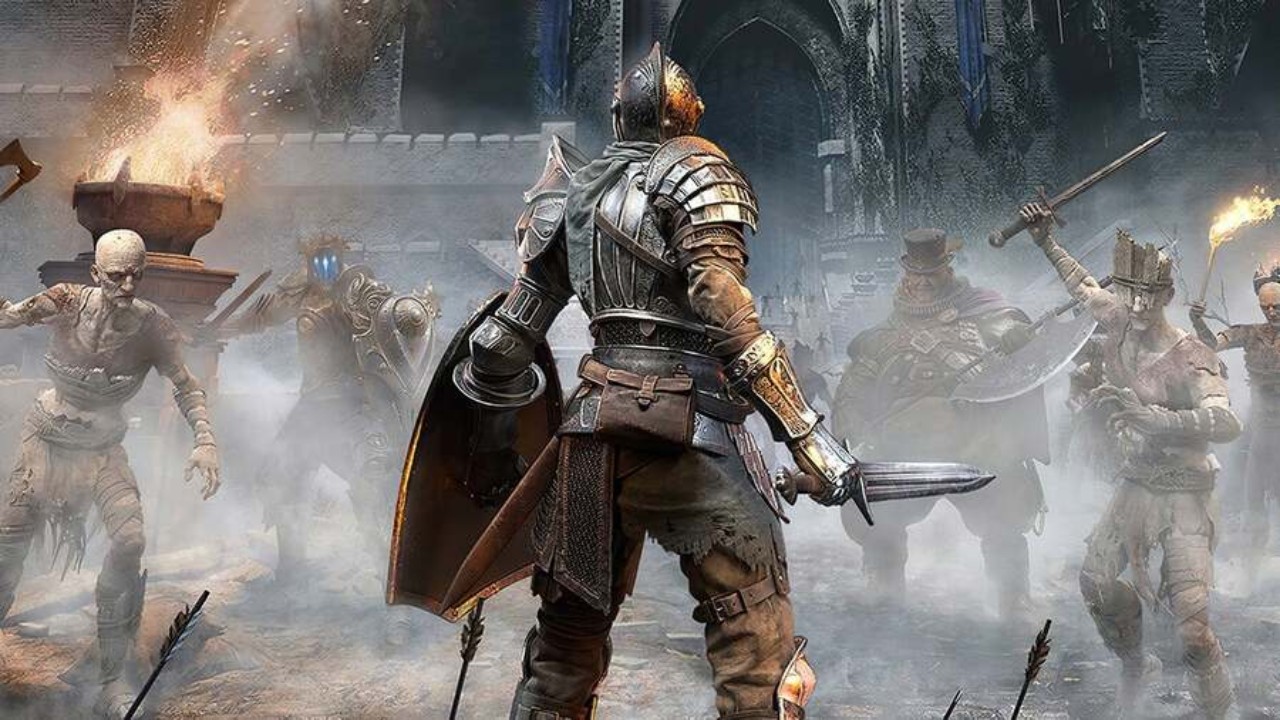
Bluepoint's name is tied to projects that PlayStation fans still bring up as examples of how to do remasters and remakes properly. The Demon's Souls remake on PS5 became a calling card for the new console early on, and it reinforced the idea that Bluepoint could be trusted with prestige releases.
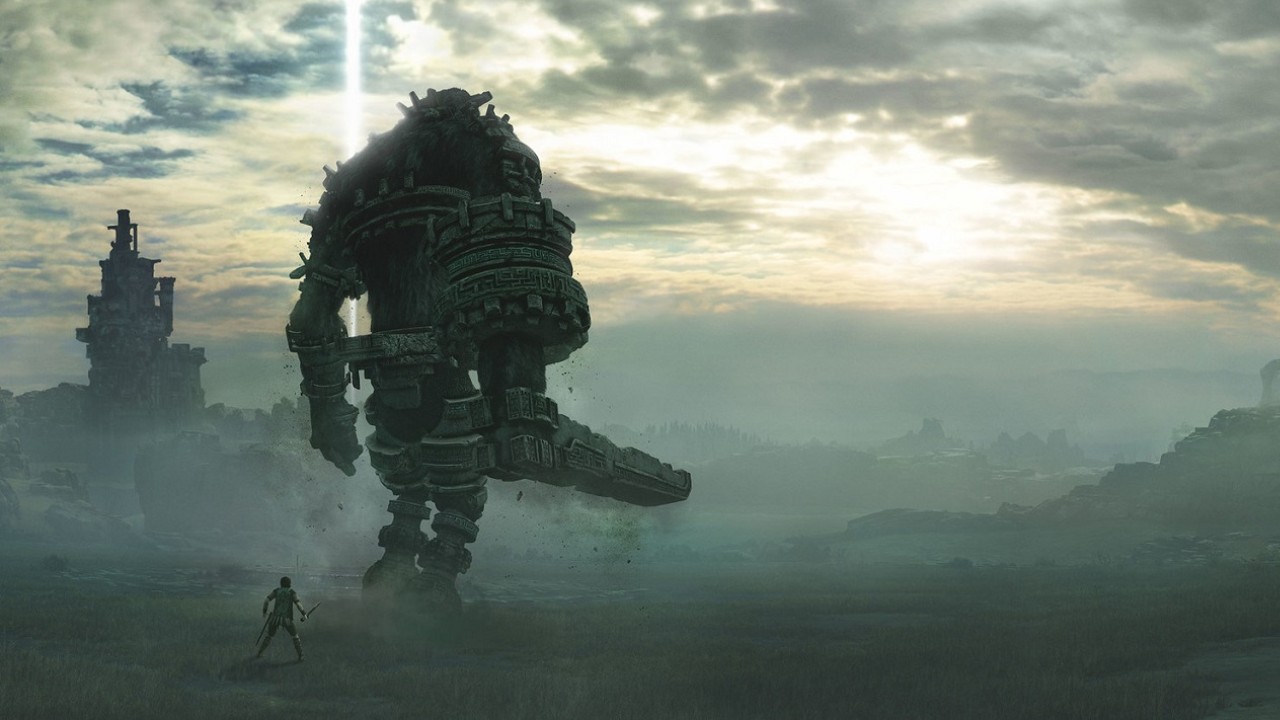
Bluepoint had previously established its reputation through remasters, and its more extensive resume features adaptations of classics such as Shadow of the Colossus. The studio is by no means a one-hit wonder. It was founded on trustworthy execution and a knack for preserving a game's essence while modernizing it.
You also cannot frame them as a one-trick shop that only lives in the past. Bluepoint supported major first-party work too. Their involvement with God of War Ragnarok put them in the middle of Sony’s most important pipeline, the kind of collaboration that signals a studio is being treated as trusted internal muscle.
From the outside, the trajectory looked stable. You could reasonably expect them to either keep delivering premium remakes, keep assisting flagship teams, or eventually get the chance to build something original with Sony's backing. In any of those scenarios, you are looking at a studio that can add value to PlayStation’s output.
Instead, the path reportedly diverted into something that never matched Bluepoint’s strengths.
Schreier’s reporting ties the situation to a live-service God of War project that was cancelled in January 2025. At the time, PlayStation said it would work with Bluepoint to figure out what the team would do next. In hindsight, that sounds like the moment the ground started shifting under them.
You get a studio known for careful craftsmanship and a specific focus in a different gaming sector. What you need for a live-service model often requires a different rhythm, content pipeline, and long-term support plan, which Bluepoint couldn’t offer. Even if a team is good at what they do, the fit is important, and this fit always looked strange from the outside.
This is where the "business review" explanation starts to feel slippery. If you take a studio that thrives on a particular kind of project and you steer them into a genre or business model they are not built around, the outcome is not a fair measure of their ability.
It is a measure of the assignment. When that assignment gets cancelled, and the result is layoffs and closure, it feels like the cost of a strategy problem. Bluepoint did not build its reputation by chasing trends. The reputation was built by focusing on one particular gaming sector in remasters extremely well, and it did it in a way that made PlayStation look good.
The bigger context here is PlayStation's rocky relationship with live-service ambitions.
You've seen a lot of live-service projects fail, get canceled, or not do well in the last few years. The list is starting to look like a graveyard. Concord is the worst headline in that pileup, and we all know that it’s one of Sony's most embarrassing failures to date.
At the same time, multiple other multiplayer and live-service projects have been reported cancelled among different studios, including work connected to big names and big plans. The pattern you are left with is a company that pushed hard into live service, only to backtrack when the bets did not look safe enough to keep funding.
The irony is that the one live-service success Sony can point to in this era is Helldivers 2, and that game worked precisely because it did not feel like a copy of whatever was trending at the time.
You can tell the difference between a project that really has a good idea and one that is only made because live service is where the money is. When the wins come from being unique, and the failures stack up from being generic, the lesson could not be any more obvious. Still, the pressure to chase recurring revenue does not disappear just because the market is crowded.
You can see that tension in what Sony is still lining up.
Bungie's Marathon has been a flashpoint. The project has reportedly gone through changes and overhauls, with recent impressions sounding more optimistic than earlier waves of feedback, but it is still a gamble because it is not the kind of game many people associate with Bungie's best moments. At the same time, the perception that Destiny 2 is being left to coast only makes that gamble feel sharper for longtime fans who wanted a different kind of focus.
Then you have Guerrilla's Horizon multiplayer direction, which has become part of the same conversation. Horizon Hunters Gathering was recently unveiled, and early public reaction has been loud, especially around how it looks and how it positions itself compared to the mainline Horizon tone.
The art style has been a sticking point for many, and the vibe hasn't landed well with everyone who associates Horizon with a more grounded, serious presentation. Whether that initial pushback matters long-term is something only time will reveal, but the immediate reception is exactly the kind of warning sign that makes the Bluepoint situation feel even more ominous.
You are watching single-player legacy brands pulled toward live-service formats, and you are watching the audience react as if they can see the corporate hand on the wheel.
The Bluepoint closure is more than just a one-time studio story for that reason. It seems like an example of what happens when a company puts its business model ahead of its team's strengths. Bluepoint didn't need to be reinvented to be useful. They were already helpful. They were already well-respected.
If anything, they looked like a studio you nurture, give time to, and let grow, especially after an acquisition. Sony has a history of building long-term first-party powerhouses by giving teams the runway to find their footing. You can trace that patient development across names like Naughty Dog, Santa Monica Studio, Insomniac, and Sucker Punch, all of which became what they are through years of investment and support.
With Bluepoint, the story reads like the opposite. Five years after being acquired, they are reportedly being closed without shipping a single post-acquisition release of their own. If you are the type of person who follows studio histories, that is the part that stings most.
You are also losing the potential of what they could have done next, whether that was another remake people have been dreaming about for years or an original game that finally let them step out of the "support and remake" lane.
Right now, PlayStation's statement frames the decision as a business decision.
Social media reaction frames it as disbelief and frustration. You are seeing the same words pop up over and over, like "baffling," "waste," and "fumble," because it is hard to square the closure with the studio's reputation.
If more information comes out later, it could help explain why the move happened. Right now, the public picture is clear. Sony bought a well-known team, put them on a live-service project that was later canceled, and then shut them down.
In a time when the industry is already flooded with layoffs and closures, this one feels especially grim because it looks optional. It looks like a scenario where the wrong strategic obsession led to a predictable crash, and the people who pay for it are the developers whose work kept earning trust.
Bluepoint’s legacy is still there in the games you can play today, but the bigger loss is everything that will never get made because the studio did not get the kind of runway Sony used to be known for giving.
Senior Editor, NoobFeed
Related News
No Data.