

PlayStation's Movie Removals Reignite the Digital Ownership Debate
Sony is preparing to remove hundreds of previously purchased movies from PlayStation libraries, and the move is fueling a much bigger conversation about digital ownership.
News by Tammy on Jul 01, 2026
Digital ownership has become one of the biggest talking points in gaming, and a new decision from PlayStation is giving players another reason to pay attention. As you continue building a digital library, you're also trusting that the content you buy will remain available in the future.
That expectation is now being challenged after Sony confirmed that hundreds of purchased movies will soon disappear from users' accounts because of expiring licensing agreements. The timing also comes as discussions surrounding Grand Theft Auto 6 and its digital-only launch continue to dominate conversations about the future of game ownership.
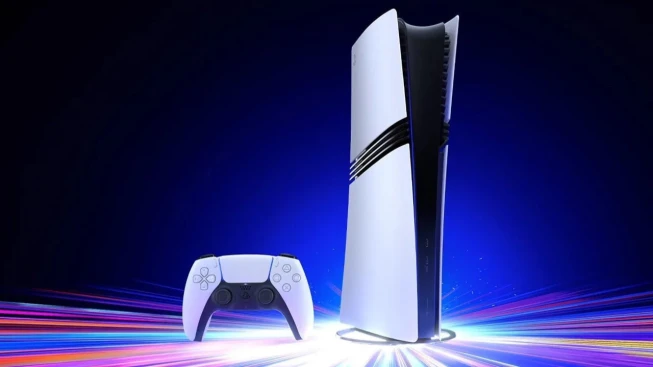
According to information highlighted by Kotaku, PlayStation will revoke access to 551 movies that customers previously purchased through the PlayStation Store.
The change is scheduled to take effect on September 1, 2026, after Sony's licensing agreement for StudioCanal content expires. Once that happens, those movies will disappear from users' video libraries, meaning they can no longer be streamed or downloaded through PlayStation. The removal includes such well-known titles as Terminator 2, Total Recall, and Confessions of a Dangerous Mind, as well as hundreds of other releases.
What sets this situation apart is that it works very differently from how digital games are normally handled. When a game is removed from sale because a licensing agreement has expired, it will usually disappear from the storefront but remain available to those who have already bought it.
You can still download that game again from your library even if new customers can no longer buy it. In this case, however, the purchased movies are being removed entirely, leaving customers without access despite paying for them in the first place.
The discussion has quickly grown beyond the movies themselves because the larger issue is digital ownership rather than any individual title. Most people are not upset simply because a specific movie is disappearing from their collection.
Instead, the concern comes from the reminder that buying digital content often means purchasing a license rather than permanent ownership. As digital storefronts become more common across entertainment, situations like these reinforce how much control publishers and platform holders ultimately have over purchased content.
That broader conversation naturally overlaps with Grand Theft Auto 6, which has become one of the most significant examples of changing ownership models in gaming. It is an understatement to say that Rockstar’s upcoming release has caused a stir, and there are many reasons for the hype.
The debate extends well beyond one game because it reflects where the industry could eventually be heading. Every major release that leans further into digital distribution adds another layer to the discussion. That trend is becoming harder for players to ignore.
Even so, Grand Theft Auto 6 occupies a unique position compared to most other games.
Its enormous popularity provides Rockstar far more flexibility than the average publisher, and many of the usual market rules simply do not apply in the same way. That makes it difficult to compare directly with smaller releases, since GTA 6 is expected to sell millions of copies regardless of controversy.
Pricing often gets mixed into discussions about ownership, too. Reports of premium editions approaching the $100 mark have sparked criticism, although expensive editions are hardly a new trend across the industry. Sports games and other major franchises have offered costly deluxe versions for years, often including bonus content or early access.
Instead, the larger concern centers on what players actually receive for their money. Many deluxe editions now charge extra for several days of early access, turning something that once felt like a launch benefit into a premium feature. At the same time, digital purchases remove some of the flexibility traditionally associated with physical ownership.
The PlayStation movie removals illustrate why those concerns continue gaining attention. If purchased movies can disappear because licensing agreements expire, it naturally raises questions about how digital ownership functions across other forms of entertainment.
There are still benefits to having a physical copy that a digital license can’t quite replace. Even if a game launches with an incomplete disc that requires patches, you can still loan it to a friend, sell it down the road, or trade it in toward another purchase. That level of ownership remains valuable despite modern installation requirements.

That distinction becomes especially important when considering how Rockstar may approach Grand Theft Auto 6.
If every player needs to own an individual digital license, the traditional used game market becomes much less relevant. Buying secondhand copies or sharing physical discs has long been part of gaming culture, but digital-only releases significantly reduce those possibilities. For many players, losing that flexibility matters more than whether the game requires downloads or updates.
There is one aspect of Rockstar's strategy that many people can understand, however. Limiting physical copies at launch could reduce the chances of the game leaking before release, something the company has consistently tried to avoid. If Rockstar does release a full physical edition containing the entire game on disc a few months from now, some players might actually prefer that over having an incomplete disc on day one.
That is not the view of everyone, and there are many good arguments on both sides. Some players prefer to have any physical copy on launch day, even if it requires extra downloads to work properly. Others say that a delayed full edition would preserve the long-term value of owning the game in physical form.
The industry has been inching toward digital purchasing for years, and publishers continue to devise incentives to accelerate that move. There are also early access bonuses, digital-only rewards, premium editions, and all that to lure players into buying games directly from online storefronts instead of physical copies.
There are still a few physical versions that have similar bonuses, but more and more, digital purchases are the fastest way to get access. Each new major release reshapes those incentives and thus reshapes buying habits.
From a business perspective, the strategy is easy to understand.
Digital sales eliminate manufacturing costs, lower distribution costs, and largely remove the used game market, which generates no additional revenue for publishers. Every digital purchase also stays in the platform ecosystem, rather than being resold multiple times.

Many players had hoped that those savings would eventually translate into cheaper games, but that hasn’t happened. Despite having no production and retail costs, digital editions are often launched at the same price as print editions. Instead, premium pricing is becoming more and more prevalent in the industry, and deluxe editions keep on growing.
One practical response is to just wait for discounts. Digital stores usually have big sales throughout the year so players can buy games at a much reduced price after release. If digital ownership feels less valuable than owning a physical copy, waiting for those price drops can make the purchase feel easier to justify.
Even with the PlayStation movie situation, there is little indication that digital game libraries will suddenly disappear in the near future. Most companies understand the enormous backlash such a move would generate, making widespread license removals unlikely anytime soon. Even so, the ability to revoke access remains built into digital licensing agreements, and that reality continues making some consumers uncomfortable.
Ultimately, companies will continue making decisions that benefit their business interests rather than prioritizing consumers in every situation. Even if Grand Theft Auto 6 receives criticism for how it launches, analysts expect it to sell phenomenally well.
It’s difficult to see publishers considering the strategy a failure. Smaller games, on the other hand, would face much more serious resistance if they adopted similar pricing or distribution practices, as their audiences tend to pay more attention to those kinds of changes.
As digital ownership shifts, PlayStation’s movie removals are just a reminder that when you purchase digital content, you’re often purchasing a license for it rather than outright ownership — and that difference is growing more and more significant across the entertainment industry.
Editor, NoobFeed
Related News
No Data.