

Intel's Next-Gen CPUs May Require Triple Power Connectors as DDR4 Makes a Comeback
Intel's rising power demands, Valve's revised marketing, and DDR4's return reflect changing priorities across the desktop hardware market.
Hardware by Godrics01 on Jun 30, 2026
Intel's rising power demands, Valve's revised marketing, and DDR4's return reflect changing priorities across the desktop hardware market. The desktop hardware industry has been going in two directions at once. While CPU vendors continue to increase core counts and performance, gaming hardware vendors are increasingly focused on marketing claims and platform costs.
Meanwhile, the price of memory remains an issue, as some are considering reintroducing old technologies many had thought would fall by the wayside. The PC industry is moving quickly, as evidenced by the latest rumors about Intel's Nova Lake processors, Valve's marketing plans for Steam Machines, and the launch of new DDR4 memory products.
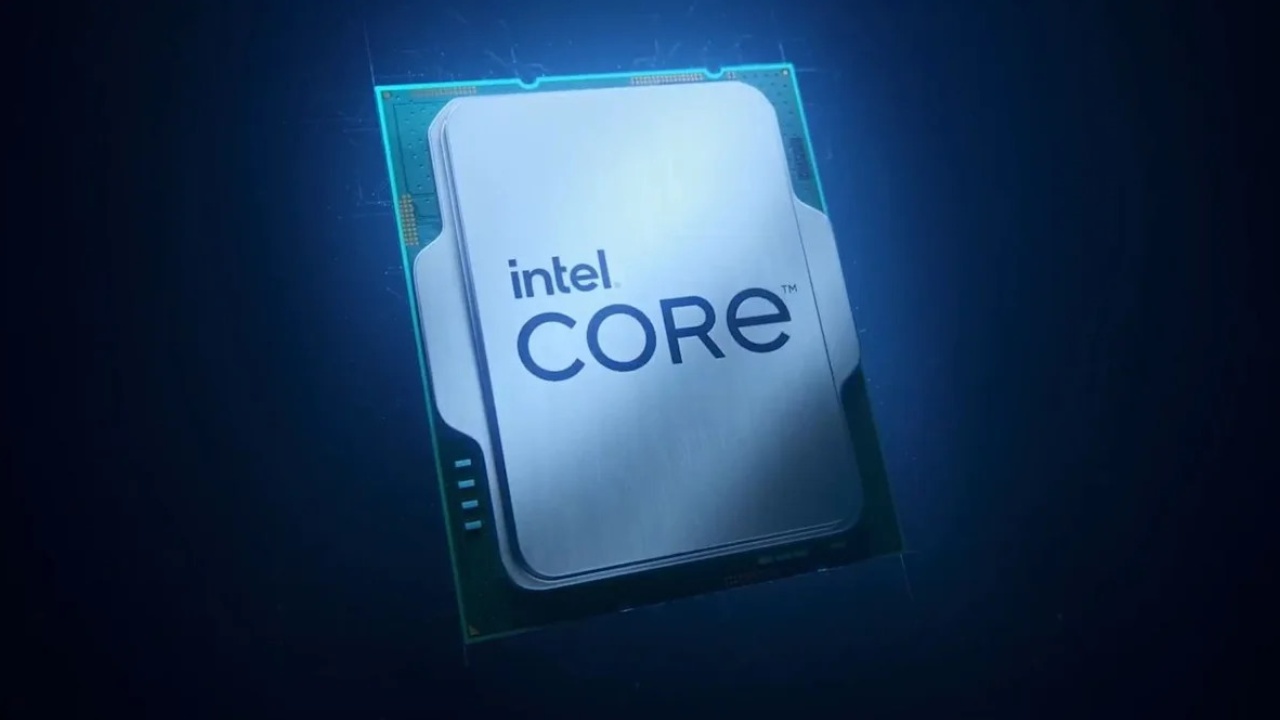
Intel's Next-Gen Desktop Chips May Require More Power
Intel's upcoming desktop CPUs are expected to be beefed-up chips. According to a new leak, the next-generation dual-tile CPUs from Intel have an extensive 474W reserved for “nominal performance” on their upcoming motherboards. Given that Intel's Nova Lake consumer processors could feature up to 52 cores, the reported power requirements immediately stand out.
The reported 474W figure is even more surprising because it is without overclocking. If so, fully overclocked processors may reach 600W. This is the power draw typically expected from AMD's high-end Threadripper chips, not from a mainstream desktop platform.
The report also says that the Z990 motherboards due for release next year will feature three CPU power connectors. The original motherboard specification reportedly called for two EPS CPU power connectors along with one 8-pin connector. But Intel has now changed its tune, requiring motherboard manufacturers to offer three separate power connectors for CPUs.
Of course, that leads to another worry. Many power supplies currently have only two CPU power connectors, so some users might need to buy a new one before upgrading to the new platform. Nevertheless, the platform is becoming more of a high-end desktop or workstation environment than a typical consumer desktop platform.
That's why AMD differentiates its workstation line with the Threadripper platform. STR5 offers many more PCIe lanes than AM5 and supports quad-channel and even 8-channel memory. These are features most consumers don't need, but workstation users may find useful for professional workloads. As a result, it feels like a strange move for Intel to make such a power bet on the consumer platform.
This doesn't necessarily imply that Nova Lake will be a bad product.
If Intel can bring some of that power to fruition in meaningful improvements in gaming and productivity, many gamers will probably be willing to pay for the power consumption, cooling demands, and electricity bills. That, however, remains the biggest question. Intel is no longer fighting on the CPU performance front if these processors actually draw 450-600W.
This would also require the buyer to spend more on a higher-end motherboard, power supply, and a super-strong cooling solution to achieve the best performance from the platform. For many users, it's a much more costly upgrade than just buying the processor.
Valve Quietly Alters Steam Machine Performance Claims
Valve quietly changes Steam Machine performance claims. Valve has also made a subtle change to one of its larger marketing statements about the Steam Machine. Originally, Valve advertised that the Steam Machine could deliver 4 K gaming at 60 fps using FSR. That immediately raised concerns, since it's a semi-custom RDNA3 chip with just 8GB of VRAM. On the 'hardware' side, it was always a challenge to consistently deliver 4K60fps.
After receiving some initial feedback and some criticism, Valve updated the text on the official Steam Machine product page. The promise of “4K gaming at60fps with FSR,” which appeared on the page before, has been replaced with up to 4K gaming with FSR 4.1. It might seem like a minor word tweak, but it's a major shift in expectations.
Playing games at 60 frames per second with Claiming 4K has set a benchmark. It recommends that consumers can anticipate this from the system when playing games. The up to 4K designation doesn't actually imply that the system can output 4K, but rather that it can output 4K and that some games may run at it under certain circumstances.
The updated description was a good thing, but it raises yet another question. What was the number of customers who bought the system before the wording became different? How many purchases were made that were affected at least by the initial marketing?
Not every buyer is going to invest a ton of time reading reviews or looking at benchmark charts. They have access to an official specification from the manufacturer and reasonably assume it reflects their gaming experience.
For those who follow PC hardware news regularly, you're likely well aware of the capabilities of a GPU equipped with 8GB of VRAM. Those who are big fans of PC hardware news know exactly what an 8GB VRAM GPU can actually do.
However, most average players are unlikely to be that familiar, so accurate marketing is even more crucial. As DDR5 memory prices remain high, the introduction of new DDR4 memory is back on the table.
DDR4 Memory Returns As DDR5 Memory Prices Continue To Be High
A few weeks ago, it was reported that motherboard and memory makers were considering reintroducing DDR4 products amid steadily rising memory prices. That forecast has now come true. Good RAM has just released its all-new DDR4 product line, dubbed Rifle DDR4 Radiant. They are newly manufactured DDR4 memory modules, not unsold stock.
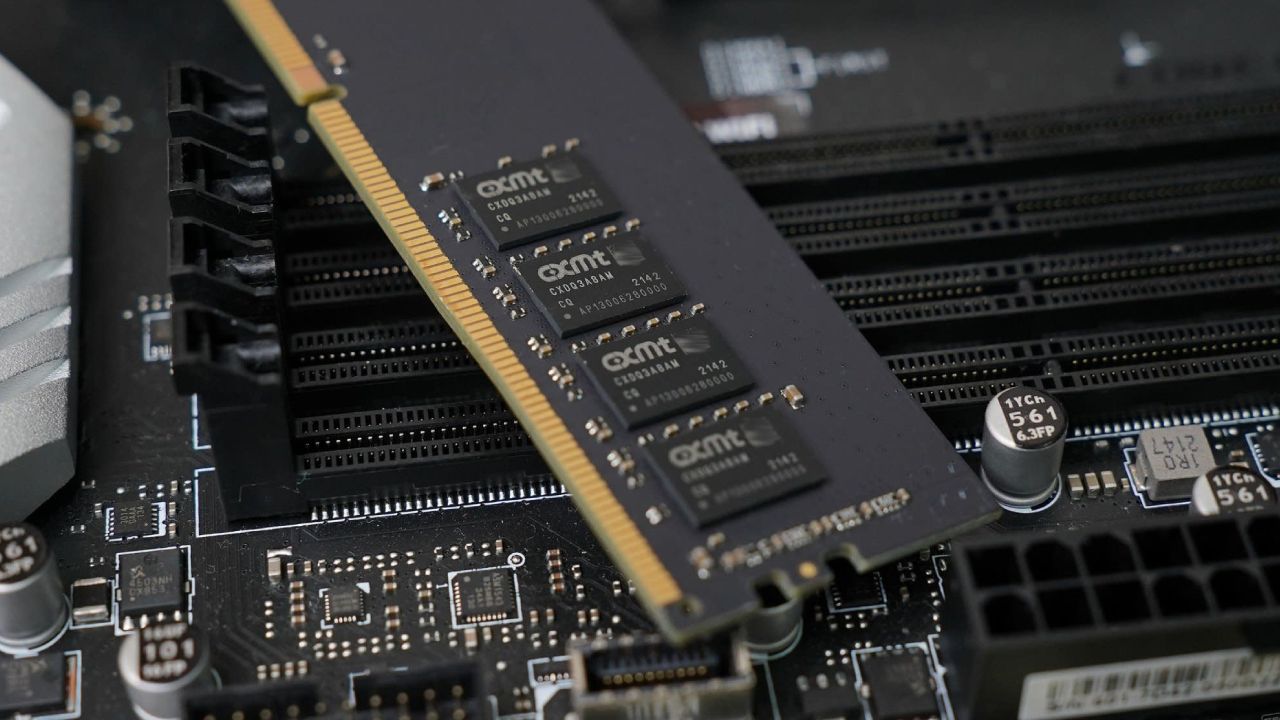
DDR4, Good RAM says, is still used by a large installed base. The company explicitly references systems powered by Intel Alder Lake and Intel Raptor Lake processors, as well as AMD Ryzen 5000 processors.
Those are still popular because many users don't want to spend money upgrading perfectly working CPUs, motherboards, and memory just to swap them out for DDR5. The new memory range is set at 3200MHz, indicating it is targeted at the mainstream audience rather than those who want to run memory modules at the highest possible frequencies.
There are 4GB, 8GB, 16GB, and 32GB modules, and dual-channel kits bring up to 64 GB.
But it also proves that Good RAM isn't just a game for PC manufacturers. The modules will be used in budget systems, legacy office computers, entry-level upgrades, and for those seeking inexpensive memory while DDR5 remains expensive. They are either CL16 or CL18 modules and run at 1.2V or 1.35V, depending on the particular model. They also employ black PCBs with either a red or a green heat spreader.
While some users have kept their fingers crossed for a drop in DDR5 prices, several industry reports are raising the specter of high memory prices lasting longer than initially anticipated. If you're not moving to a newer platform, at least new DDR4 products offer a viable alternative upgrade option.
Editor, NoobFeed
Latest Articles
No Data.