
Sony Confirms Bungie's Marathon Release as PS5 Sales Strategy Shifts
With Marathon set before March 31, 2026, PlayStation 5 shipments hitting 80.3 million, and Sony pivoting toward a broader platform model, the next era is already in motion.
News by Zahra Morshed on Aug 10, 2025
The signal came quietly. No fanfare. No fireworks. Just a handful of numbers in a financial report and a few carefully chosen words from executives who rarely speak in absolutes. Sony has confirmed that Bungie's Marathon will arrive before the end of its current fiscal year, which closes March 31, 2026.
The message was deliberate. An investor asked the question directly. Could the game be delayed indefinitely, perhaps even cancelled? Sony's chief financial officer, Lin Tao, responded without hesitation: the launch is still planned. Two months earlier, the same answer had been given. Two answers. Same tone. Same certainty.

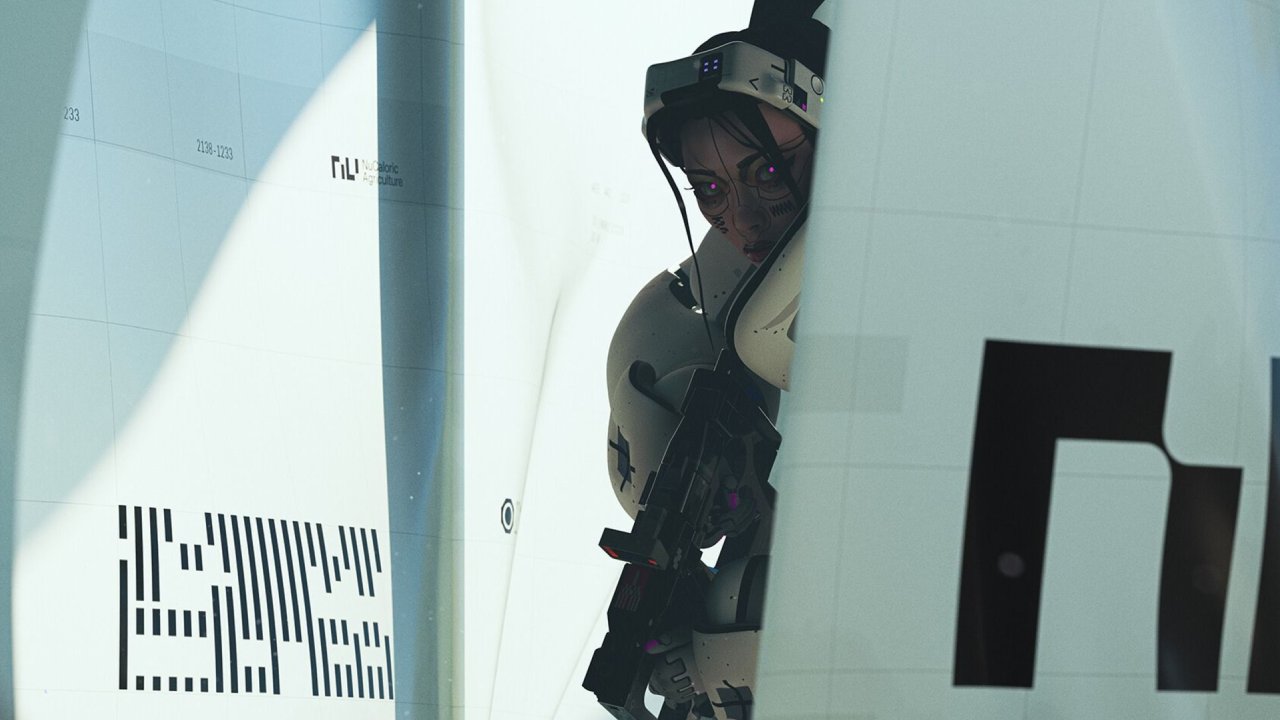
The choice of language matters. If the release window slips, valuations may need to be revised. Yet for now, the target remains fixed. Marathon, from the creators of Halo and Destiny, will step into an industry that has changed around it. An extraction shooter, by design, is not a game for everyone. It thrives on tension, on the risk of loss, on the thrill of what might be won.
Whether players embrace it will depend on how it feels in the hands, how it moves in the seconds that count. While that future waits, another set of numbers tells its own story. The PlayStation 5 has now shipped 80.3 million units worldwide. In the last quarter alone, 2.5 million units found their way into homes.
That is 100,000 more than the same period a year earlier. Five years into its life, the console stands just 2.1 million units behind the PlayStation 4's trajectory. The difference is sharper when remembering the beginning: shortages that stretched over a year, manufacturing bottlenecks, and scalpers emptying retailer stock in minutes.
By this point in its life, the PlayStation 4 had already dropped to $299. The PlayStation 5 has never been discounted, yet it continues to sell at a pace. The next test is approaching. Ghost of Yote will be released later this year, which is a big first-party release. And when Grand Theft Auto VI comes out in May 2026, the rock in the business will shift again.
A big part of the market has put off upgrading their systems until now. Just the excitement could turn price jumps into waves of sales. But the most intriguing development does not lie in unit counts or release dates. It is in the architecture of Sony's strategy itself. The shift is quiet, almost imperceptible unless looking for it.
Sony's senior vice president, Sadhiko Hayakawa, speaking during the company's fiscal year 2025 Q1 earnings briefing, outlined a change in direction. The era of hardware as the defining pillar is beginning to bend. The business is moving toward a platform model that will help grow groups and get more people involved across its entire ecosystem. It's not time to give up platforms.
For PlayStation to reach more people, it's no longer limited to a single box in a single living room. The model can already be seen in other parts of the business world. Microsoft has sent franchises once locked to its own hardware, like Gears of War and Forza Horizon, to competing platforms. Game Pass has extended its identity beyond the console entirely. Sony's recalibration echoes this pattern, though its exact shape remains undisclosed.
In the briefing, Hayakawa spoke of creation, not just in games but in music and film, as central to the company's vision. The ambition is stability and profitability in equal measure, achieved by building a platform that is not bound by the limits of any one device. It is a vision that suggests more cross-platform releases, more integration between services, and more ways to enter the PlayStation ecosystem without beginning at the hardware shelf.
Each statement is careful. Each figure is precise. The broader picture is left in the spaces between. The industry has seen these patterns before: the quiet announcements, the incremental adjustments, the pivots disguised as routine updates. In hindsight, they often mark the moments when the rules begin to change.
For now, three threads converge. A high-stakes first-party shooter aiming to launch in an unforgiving market. A console matching the momentum of its predecessor despite unprecedented headwinds. And a corporate strategy shifting its gravitational center toward something larger, more connected, and less dependent on the box beneath the television.
None of this is positioned as a gamble. Each move is framed as inevitable. Yet inevitability is only visible in retrospect. The signs are here, written in earnings calls, shipment figures, and subtle shifts in language. The rest will unfold in the months ahead, quietly at first, then all at once.
Contributor, NoobFeed
Related News
No Data.