

Sony Confirms PlayStation Store Closure for PS3 and PS Vita
Two beloved PlayStation consoles are about to lose their digital storefronts for good, and here's everything you need to know before it happens.
News by Adsey on Jul 02, 2026
If you still own a PlayStation 3 or a PlayStation Vita, you're about to lose something that's been part of those consoles for almost two decades. Sony has confirmed a PlayStation Store closure for both platforms, meaning new purchases won't be possible on either system once the shutdown takes effect.
For anyone attached to these two systems, this PlayStation Store closure stings in its own way. It also ties into the bigger conversation around digital-only gaming and how these platforms eventually lose their online support entirely. Sony broke the news in an official blog post about the PlayStation Store for PS3 and PS Vita.

After nearly 20 years of supporting the PlayStation 3, the storefront is being shut down for good on both systems.
You'll see this PlayStation Store closure rolled out in stages, depending on where you live, starting with select markets this year before expanding into a full global shutdown next year. If you're in Mexico, Honduras, or Nicaragua, your PlayStation Store on PS3 will close as early as August 2026.
From there, additional Latin American regions and parts of the Middle East will see their PlayStation Store closure start later in 2026. If you're in the United States or most other regions, you get a bit more breathing room, since the PlayStation Store closure in those areas won't happen until July 2027.
Once your region hits its shutdown date, new content purchases will no longer be possible, but Sony says you'll still be able to redownload previously purchased content "for the foreseeable future." That phrase alone raises many questions worth sitting with.
If you personally have games like Infamous 1 and Infamous 2 tied to your PlayStation Network account, you'd expect to keep being able to download them onto your PS3 for a long time to come, especially since Sony hasn't built backward compatibility for those titles into any of its newer consoles.
These games only work on original PS3 hardware, so if that download window ever quietly shuts, content people already paid for could disappear for good.
That's exactly the kind of risk that makes digital-only gaming such a touchy subject for a lot of players, and it's the part of this PlayStation Store closure that deserves more clarity than a vague phrase in a blog post. As for why this is happening, Sony pointed to the storefront evolving to support modern commerce systems.
Including updated payment processing standards that the aging PS3 and PS Vita hardware simply can't keep up with anymore. It's a reasonable-sounding explanation, but it also feels like the kind of thing that could have been worked around if there was enough will to keep these storefronts alive a little longer.
Either way, the PlayStation Store closure is happening on the following timeline: PS3 access closes starting August 2026 in Mexico, Honduras, and Nicaragua, followed by additional Latin American and Middle Eastern countries later that same year, and then every other region, including the United States, loses access to the storefront on both consoles in July 2027.
Sony's statement also included the usual sentimental language, acknowledging that PS3 and PS Vita hold a special place in many players' hearts and that this wasn't an easy decision. The company framed it as needing to focus resources on the platforms most people are actually playing on today, while thanking longtime fans for their passion and support over the years and teasing future PlayStation experiences still to come.
It reads like the kind of message a company puts out after a decision has already been finalized, with no real room for pushback.
You get the apology, and then the shutdown happens anyway, because ultimately, players never really get a vote in these decisions. A blog post goes up, and that's simply the reality everyone has to accept. One thing that hasn't been made entirely clear is what happens to your broader PlayStation Network account features on these consoles once the storefront disappears.
Since Sony specifically referenced this as a PlayStation Store closure rather than a full shutdown of PlayStation Network access on PS3, it's reasonable to expect that you'll still be able to go online, earn trophies, and play the games you already own on disc even after the store itself is gone.

Online multiplayer for most PS3 titles is already pretty thin at this point anyway, so you're not exactly going to be jumping into a packed Killzone 2 lobby regardless. Even so, keeping basic PlayStation Network functionality intact would at least soften the blow.
The tougher reality is for anyone who wants to keep playing digital-only titles that never got a physical release, like Super Stardust HD. Once that download window eventually closes, and nobody really knows when that will be, given how vague "the foreseeable future" is as a phrase, those games could become completely inaccessible for good.
That's the core risk that comes with digital-only gaming as a business model.
You're relying on a company to keep servers and storefronts running indefinitely, and when that company eventually decides it's no longer worth the resources, there isn't much anyone can do about it. Physical games on PS3 are still available to access no matter what, but purely digital purchases don't come with that same guarantee, and that's precisely the tradeoff this PlayStation Store closure is putting back in the spotlight.
For a lot of people, though, this news hits on a personal level, and it definitely does if you came up during the PS3 generation. That console represented a real turning point for plenty of gamers. Getting a PS3 in June 2008 with Unreal Tournament 3, Metal Gear Solid 4, and Uncharted as your launch lineup was the start of something big.
Before that, on PS2, you might have mostly stuck to JRPGs with the occasional dip into Gran Turismo or Grand Theft Auto, but by early 2009, gaming stopped being a casual hobby and turned into a full obsession. Killzone 2 dropped in February 2009, Infamous followed in May, and that same stretch had you catching up on the original Uncharted right as Uncharted 2 was announced for that October.
The Uncharted 2 gameplay demo at E3 that June was one of those moments that stuck with a lot of people permanently, and staying up until five in the morning playing Killzone 2 online during summer break became a regular occurrence.
2009 marked the moment many players began following the industry closely.
Checking release calendars and getting into gaming podcasts and online communities for the first time. October 2009 alone delivered Ratchet & Clank: A Crack in Time, Demon's Souls, and Uncharted 2 within roughly a week of each other.
This is a stretch of releases that PlayStation has genuinely never matched since. Even though the Xbox 360 was by far the more popular console in the West during that era, the PS3's first-party lineup was quietly setting a standard that PlayStation would continue to build on for years afterward.
Uncharted, Killzone, inFamous 1 and 2, and Insomniac's second-party work didn't always mean big sales, but they built the quality foundation everything has stood on since. That same pattern of strong first-party output had existed back on PS2, too, but PS3 really ramped it up several notches.
By the time the PS4 generation rolled around, especially with Microsoft stumbling in several areas, PlayStation ended up in a much stronger overall position, and a lot of that groundwork traces directly back to the PS3 years, low points and all.
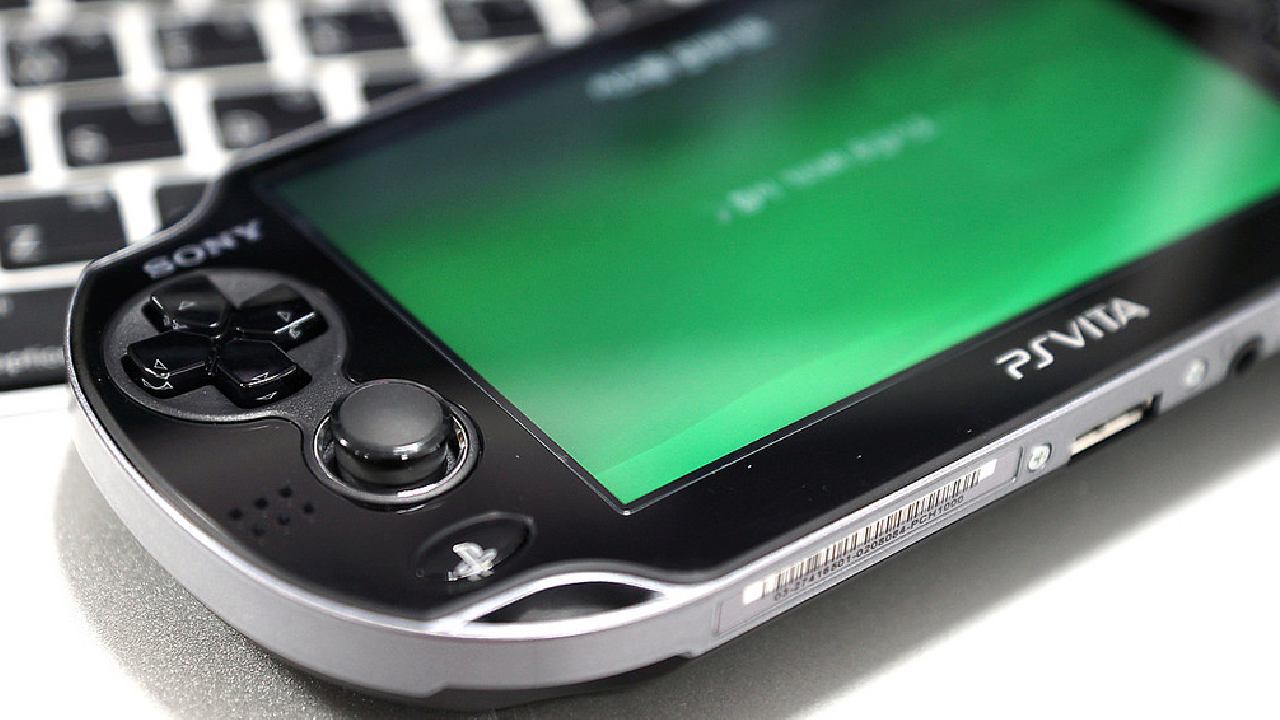
The PlayStation Vita deserves some love here, too.
PS Vita followed in the footsteps of the PSP and brought dual analog sticks along with visuals that felt genuinely ambitious for a handheld at the time. Unfortunately, that early excitement didn't translate into long-term support. Games like Uncharted: Golden Abyss were expensive to produce for a portable platform.
Studios like Sony Bend, which worked on that title, eventually shifted their focus toward bigger console projects like Days Gone rather than sticking with handheld development. That same pattern played out industry-wide, with developers like Ready at Dawn moving away from PSP projects like the God of War titles to work on The Order: 1886 for PS4 instead.
After a genuinely strong opening lineup that included Uncharted: Golden Abyss, Gravity Rush, and eventually Killzone: Mercenary, support for the Vita slowed to a crawl, and the platform turned into something of a barren wasteland afterward.
The console is one heck of a hardware device, and being able to get access to playing games such as Persona 4 Golden on it was really an honor at that time, since the game is currently available on virtually all platforms. It highlights the exact implications of going all digital when it comes to video games, and it marks the true end of the era for two PS consoles that meant so much to an entire generation of gamers.
Editor, NoobFeed
Related News
No Data.