

Valve Steam Machine: Why Unified Memory Wasn't the Best Choice
Unified memory introduces significant architectural trade-offs between low-latency system RAM and high-bandwidth VRAM in gaming hardware.
Hardware by Nakiro on Jul 01, 2026
Unified memory is one of the most talked-about hardware characteristics in modern gaming systems. This means that the CPU and GPU can access the same pool of memory.
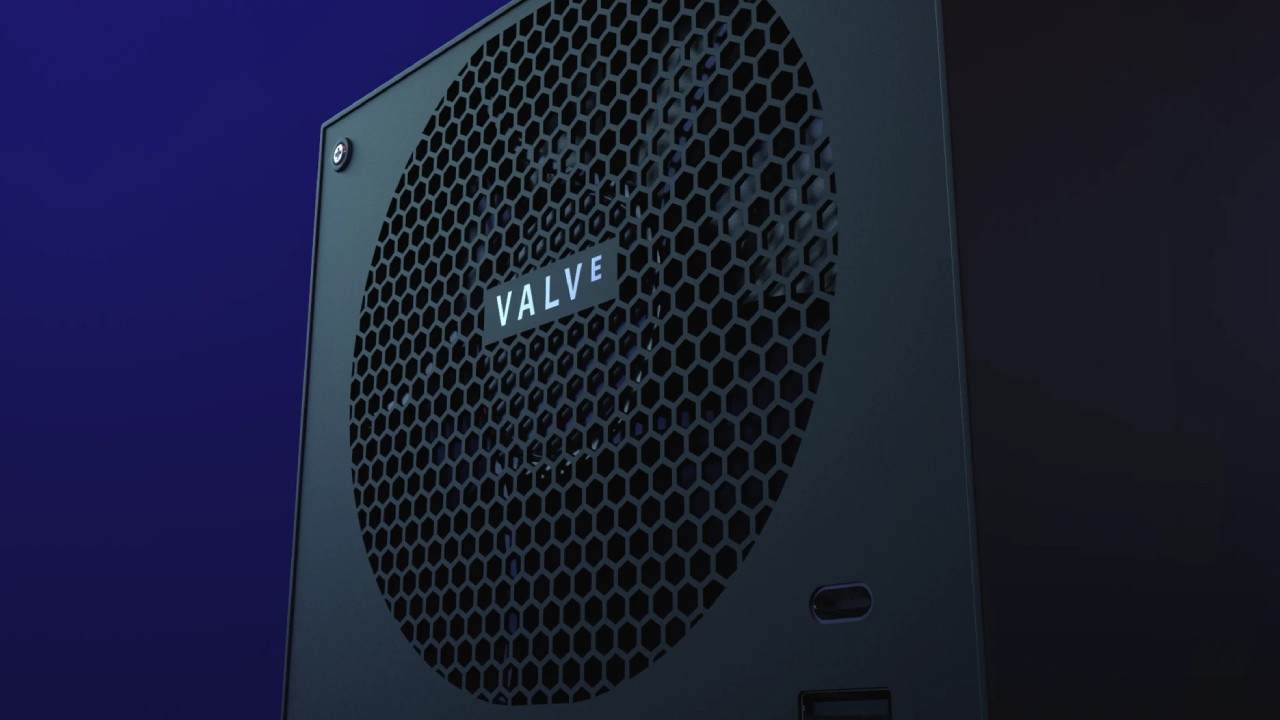
With the game needs ever-increasing, many players have been questioning whether a console-style unified memory design would have been a wiser decision for Valve's Steam Machine, especially given its total memory of 24GB but only 8GB of GPU-addressable VRAM. Sounds great on paper, but in practice, there are major engineering, cost, and architectural trade-offs.
Why Unified Memory Sounds Like the Better Option
Unified memory is a really nice idea at first appearance, and it makes a lot of sense for some applications. By sharing a memory pool, the GPU could access more than the dedicated 8GB, which might address some performance concerns without increasing overall memory cost.
However, there is a price to pay for that flexibility. If the memory is soldered directly to the board, users lose the ability to upgrade it later. Valve also loses flexibility because it cannot easily change how much memory each machine ships with. There are hardware trade-offs as well.
System RAM is designed to prioritize very low latency, while VRAM is optimized for extremely high bandwidth. With unified memory, both have to use the same memory tech. So it is effectively somewhere in the middle rather than optimized for either attribute.
When system memory and VRAM are separate, the RAM can maintain low latency, while the VRAM provides maximum bandwidth. That separation can provide performance benefits depending on the workload.
Is 8GB of VRAM Really the Main Problem?
Even though 8GB is a limitation, it is not necessarily a drastic one for this class of GPU. Graphics performance sits roughly between an RX 6600 and an RX 7600, making 8GB acceptable, though not ideal.
Hopefully, through the verified program, most games can be guaranteed to launch with settings and specifications that keep VRAM usage under control, ensuring the 8GB limitation does not become a major issue for the majority of players.
The Bigger Hardware Design Challenge
The bigger issue is that unified memory is not simply about changing how memory is connected. To make unified memory work properly, the CPU and GPU must be unified into a single system-on-chip (SoC).
Once everything, including the CPU, GPU, media encoders, and other components, sits on a single piece of silicon, a unified memory interface can connect directly to memory such as GDDR6 or GDDR7. That is how modern consoles are designed.
The Problem is that Valve's Steam Machine does not support that kind of design. Is 8GB of VRAM Really the Main Problem? It would take hundreds of millions of dollars in development to build a brand-new CPU from scratch. That makes unified memory far more complicated than simply redesigning the motherboard.
Could Strix Halo Have Been the Answer?
One possible alternative would have been using a variant of Strix Halo. In theory, one of the CPU chiplets could have been disabled because a Steam Machine does not need 16 cores and 32 threads. That would leave the primary GPU to handle gaming, potentially using salvaged silicon.
The downside is that Strix Halo is extremely expensive. Performance is roughly on par with a PlayStation 5, which is only slightly better than what the Steam Machine already delivers. While unified memory would certainly be an advantage, it would also require a significantly more expensive processor.
Why Valve Chose a Separate CPU and GPU
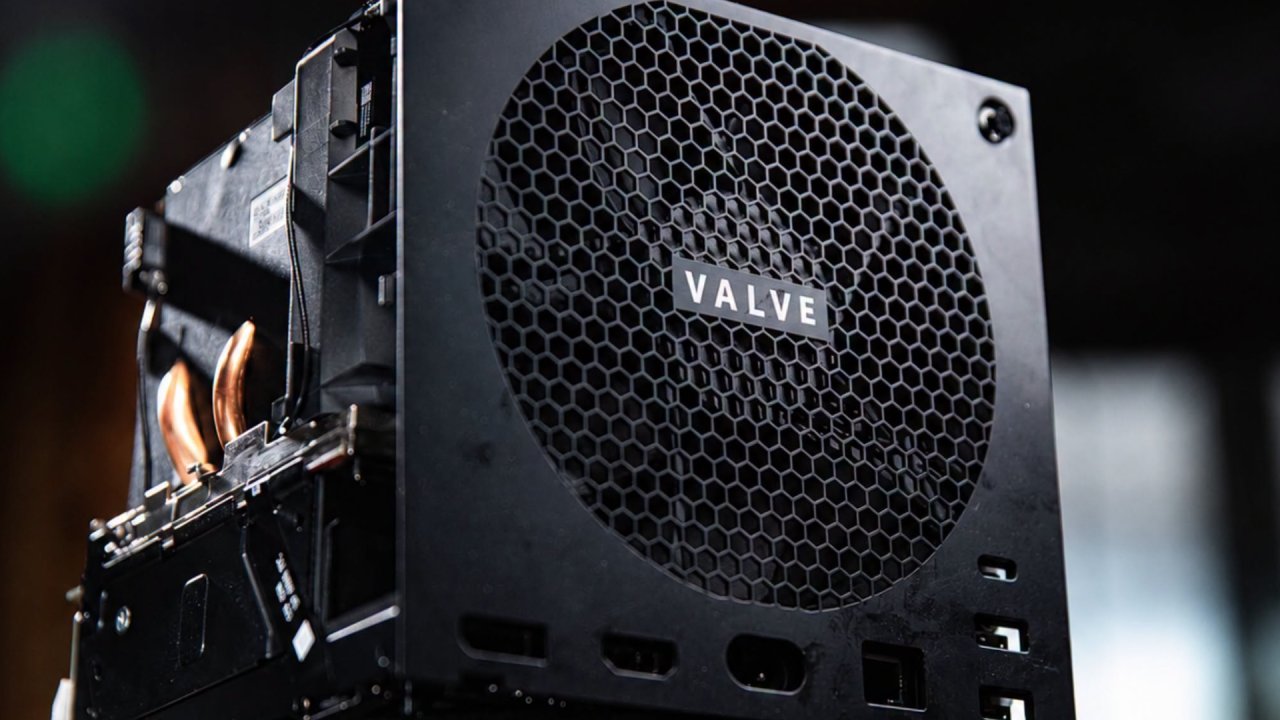
Looking at what Valve actually delivered, the machine is essentially built around a lower-end mobile-based CPU combined with a separate GPU. The graphics processor is a desktop-class Navi 33, similar to the RX 7600, though it shares many characteristics with the RX 7600M, including 28 compute units.
The decision to use separate CPU and GPU components was primarily driven by cost. Once those components are separated, they can no longer share the same memory pool. That is ultimately why the system does not feature unified memory.
The Reality of a Unified Memory Stream Machine
A Strix Halo-based Steam Machine would certainly have been an exciting concept. If you're looking for a compact gaming PC with performance around the level of a PlayStation 5 and unified memory, that's probably the type of hardware you want.
The trade-off is price. A Strix Halo system would cost far more than $1,049, making it a completely different product category from the Steam Machine. While unified memory offers clear advantages, the cost of achieving it through a custom SoC or a premium processor makes the existing design a far more practical solution for Valve's intended market.
Editor, NoobFeed
Latest Articles
No Data.