
Star Wars: Fate of the Old Republic Sounds More Focused as Arcanaut Avoiding Industry Trends
New details surrounding Casey Hudson’s upcoming RPG point toward a shorter, replayable experience backed by veteran developers and a funding group focused on creative freedom instead of trend-chasing.
News by Tahmid Mahi on May 13, 2026
Star Wars: Fate of the Old Republic continues sounding more promising every time new information surfaces around the project. Even from the beginning, the messaging surrounding the game has felt unusually confident, especially given how uncertain large-scale RPG development can often be. Of course, that does not guarantee success.
Plenty of studios with talented developers and strong ideas still run into problems later in development. But right now, most of what you are hearing about the fate of the Old Republic points in a surprisingly positive direction. One of the greatest details is the release window. Hudson and the development team have apparently reaffirmed that the game is not a project targeting 2030 or later.
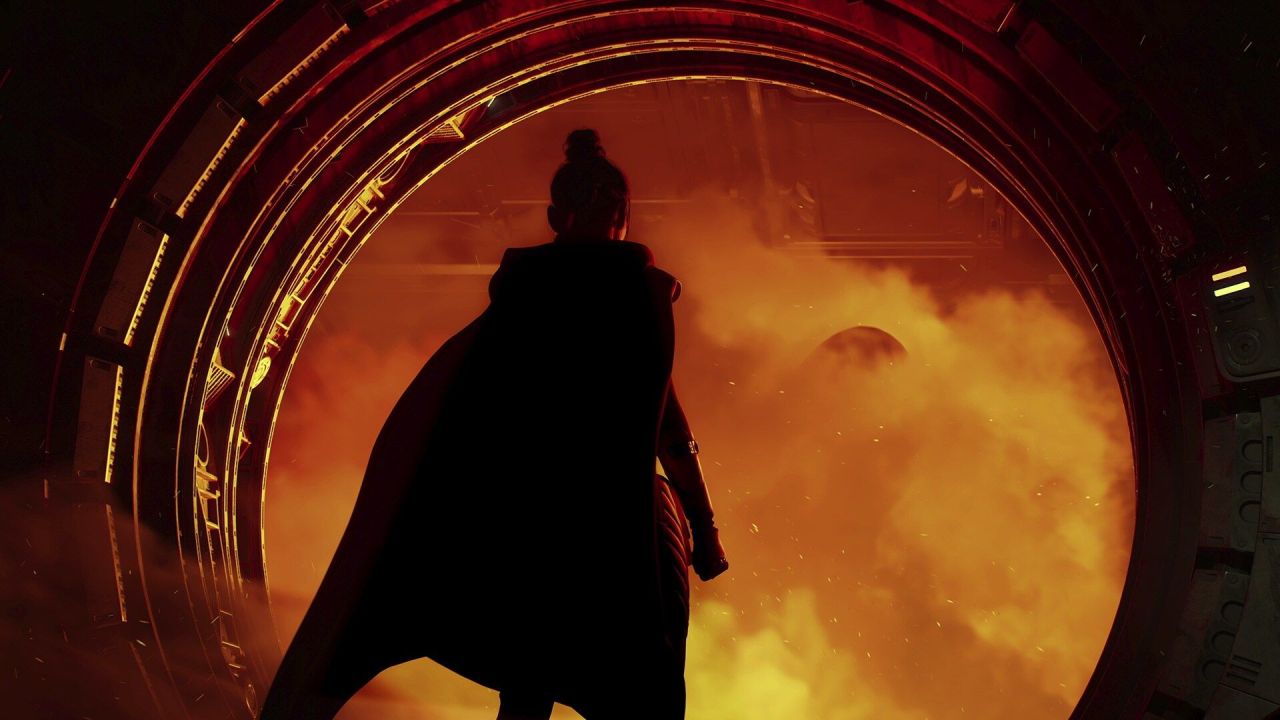
That alone stands out because modern AAA games often spend 6 or 7 years in development before release. Given the ambitions of large-scale RPGs these days, even targeting a 2029 release sounds unusually confident. Since the project was announced at The Game Awards and reportedly entered development sometime around spring or summer 2025, many people assumed the game would not realistically arrive until the next decade. Instead, the current expectation appears to be 2029 or earlier.
That timeline sounds much more believable once you look at the team behind the game. Reports suggest Hudson has assembled a studio filled with veterans who worked on major RPG franchises such as Mass Effect 2 and the original Star Wars: Knights of the Old Republic. It is essentially a team of developers who already understand how to build cinematic, choice-driven RPGs.
Again, having experienced developers is never a guarantee that everything will work perfectly. But it does give the project a stronger foundation than a completely inexperienced studio tackling something this ambitious for the first time. At least it makes the game's overall vision feel a lot more believable at the moment.
Up until now, most people had seen only a cinematic teaser trailer, which naturally left many questions unanswered. The newer information, however, finally gives you a clearer idea of what kind of RPG the game may actually become. And now, it feels like the game is much more committed to replayability and player choice.
One of the most important details is that Fate of the Old Republic reportedly will not be a massive 100-plus-hour experience.
The game appears to be more focused on replayability and branching storylines than on sheer size. Reports say that, rather than spending hundreds of hours on a single playthrough, players will be encouraged to replay the campaign and explore different paths, outcomes, and character interactions.
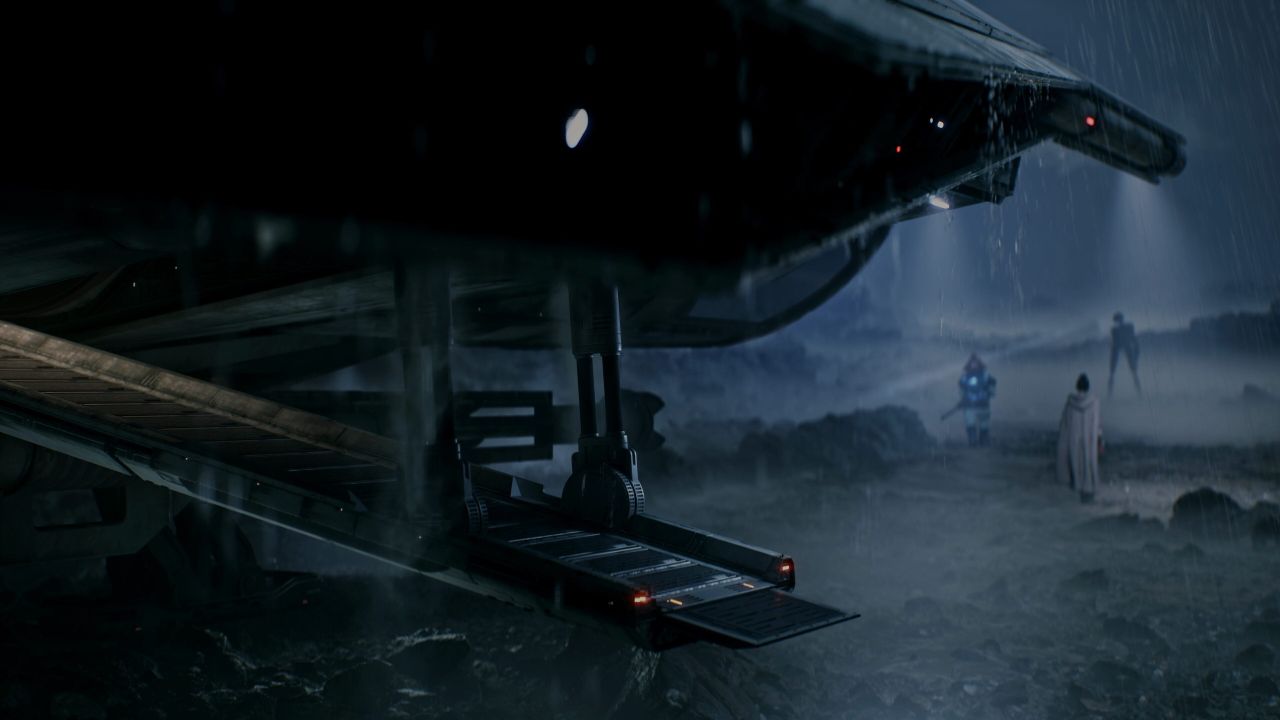
The project is reportedly being funded by a new holding company, Greater Than Group (G2G), led by former NetEase veteran Simon Zhu. According to the reports, Zhu left NetEase after the company canceled multiple titles and reduced investments in studios. What makes the situation more interesting is the philosophy behind the investment.
Zhu reportedly believes the gaming industry has spent the last several years overcorrecting by chasing trends such as AI, live-service mechanics, and other commercially driven ideas, rather than focusing on strong creative projects.
That mindset appears to line up closely with the direction Fate of the Old Republic is taking.
Casey Hudson has reportedly also been outspoken about avoiding AI tools in development. According to Hudson, he finds AI creatively soulless and personally unimpressive. In an industry where many companies are increasingly experimenting with generative AI systems, hearing a major RPG project openly distance itself from that trend has caught a lot of attention.
The broader message surrounding the project seems to center on balancing creativity, player satisfaction, and commercial success without sacrificing any of them. According to Zhu, developers should not have to compromise their artistic goals simply to follow the current industry trend.
That philosophy feels especially relevant in today's AAA gaming environment, where many studios often seem pressured to add live-service mechanics, battle passes, multiplayer hooks, or other systems designed primarily for long-term monetization. Over the last decade, many games have clearly shifted toward trends that publishers believed would generate the safest financial returns.
Fate of the Old Republic seems to be trying to avoid that mentality altogether.
Instead of chasing the most popular mechanics in the market, the project appears more interested in delivering a focused RPG experience built around storytelling, replayability, and meaningful player choices. It may not be trying to become the next endless live-service platform or a game designed to be played for hundreds of hours immediately.

The reports suggest that the team could be going for something more like older RPGs such as Mass Effect 2, where the main campaign is around 20 to 30 hours but still has a lot of replayability through different choices, character relationships, and alternative story endings.
A more focused, shorter RPG can allow developers to keep pacing tight and mission design memorable. The game can focus on maintaining consistent quality throughout the experience rather than stretching content across a massive runtime. Furthermore, that type of structure makes it easier for players to stay engaged without long stretches of filler content.
Replayability changes the entire equation as well.
Even if one playthrough lasts 25 hours, branching paths, different classes, romance options, and alternate endings could still provide players with reasons to return multiple times. In that sense, you could still end up spending well over 100 hours with the game without forcing every single playthrough to become overwhelmingly large.
That is part of why comparisons to Baldur's Gate 3 keep surfacing around the discussion, although the scale may obviously differ. Baldur’s Gate 3 succeeded partly because it combined a massive RPG structure with extremely high replay value. At the same time, not every RPG needs to follow that exact formula to succeed.
Some of the most beloved RPGs ever made were far shorter while still offering meaningful depth and player choice. Older BioWare titles especially proved that strong writing, memorable companions, and impactful decisions can often matter more than simply extending playtime.
The shorter scope may also be one of the main reasons the project has a realistic chance of arriving before the next decade. Building a giant 100-hour RPG with modern production values can easily consume most of a console generation. A more contained, yet replayable, structure gives the studio a much better chance of maintaining a manageable development timeline.
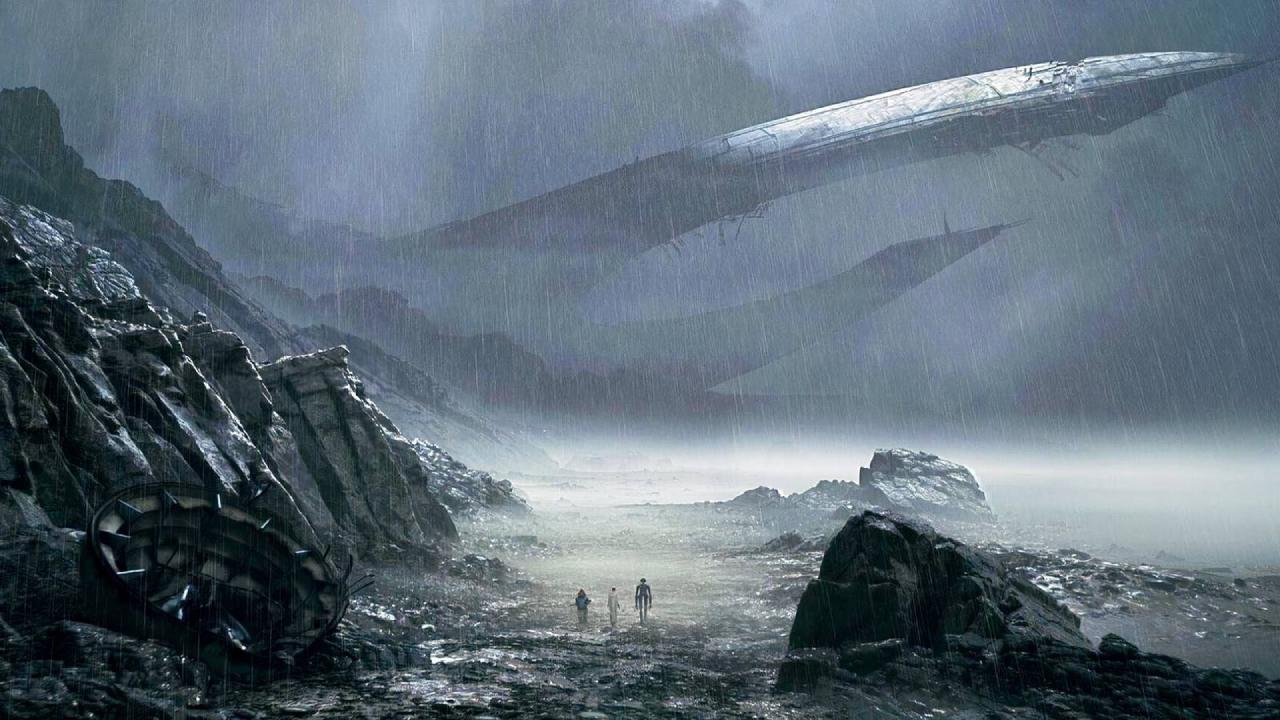
Even so, nobody expects the game to arrive immediately. Current expectations still suggest players will have to wait a long time before developers publicly show substantial gameplay. Some reports suggest players may not even see another major reveal until 2027, with a possible launch window sometime in 2029.
Currently, though, the overall tone surrounding Fate of the Old Republic feels refreshingly different from many modern AAA announcements. Instead of endless discussions about monetization strategies or AI implementation, most of the conversation centers on experienced RPG developers trying to build a focused, story-driven game.
Editor, NoobFeed
Related News
No Data.