
The Structural Collapse of the XBOX Gaming Empire
An internal email from four years ago predicted the current corporate restructuring.
News by Elme Dhee on Jul 12, 2026
The massive downsizing wave at XBOX, witnessed today, has been talked about for a while. Someone inside Microsoft warned Phil Spencer about it over four years ago. In March 2021, an internal software architect expressed deep concern regarding the rapidly growing studio empire. He warned that this aggressive expansion could turn into an absolute bloodbath if economic circumstances changed.
Looking back today, that warning feels almost prophetic for the company. This was an internal alarm from an employee who worried the brand was expanding faster than it could realistically sustain. While leadership responded at the time by noting they had never closed a studio due to financial loss, the current reality is impossible to ignore.
.jpg)
The division is cutting 1,600 employees immediately, with another 1,600 expected over the coming year. This massive reduction represents roughly twenty percent of the total workforce. In addition to these layoffs, five development studios are leaving the brand entirely. Corporate leadership believes the business has become too slow, bloated, and financially unhealthy.
XBOX shifts its strategy toward independent studio releases and alternative metrics.
The immediate goal currently is to flatten the organization and simplify development pipelines. Instead of shutting teams down completely, several are being allowed to operate independently while retaining their intellectual property. This shift gives these studios a much better chance of finding new investors and surviving. It also serves as highly strategic public relations for the parent corporation.
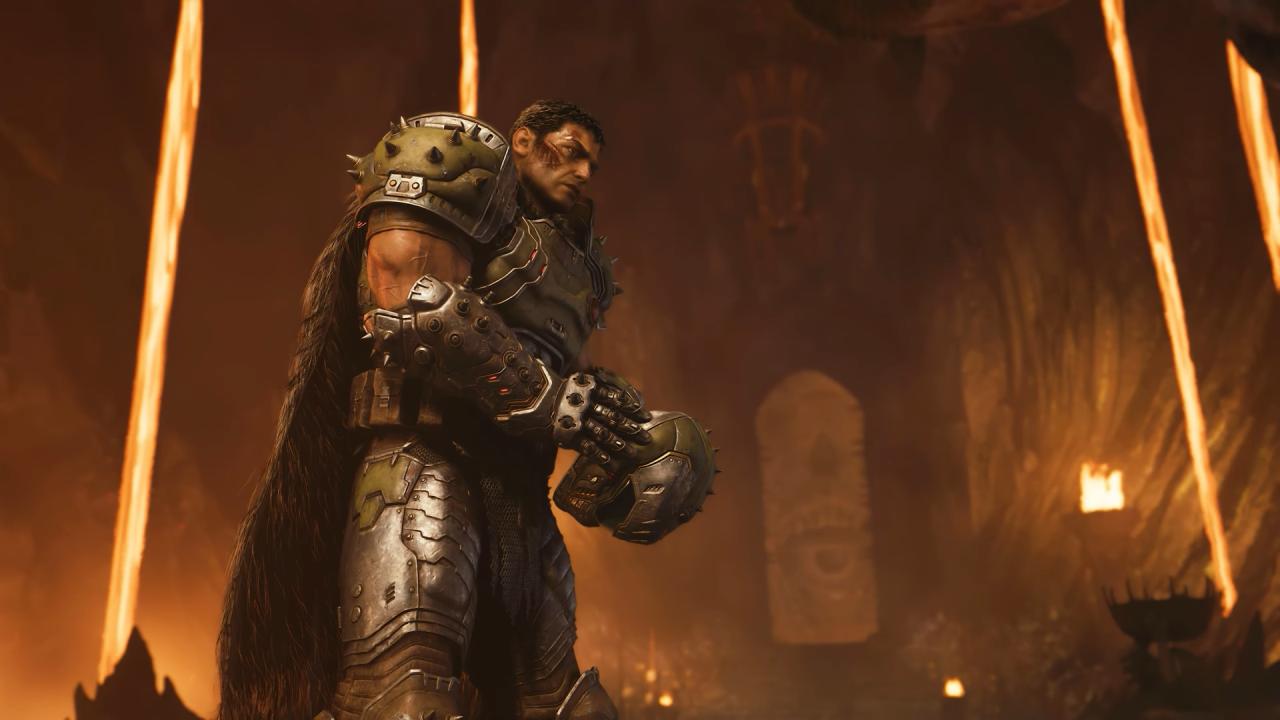
If the corporation closes a studio, it owns the negative headline entirely. If it lets a studio go independent and it later fails, the company can claim it gave them a fair chance. These cuts are already affecting major teams like id Software and Bethesda Game Studios. Even the biggest flagship franchises will not come through this transition untouched.
Furthermore, leadership now wants to reach an ambitious one billion daily active users. To put that into perspective, major platforms like Steam do not even reach 100 million daily users. The company is no longer chasing traditional console competitors in the market. Instead, it is pursuing an engagement model closer to that of a social media platform.
Mass layoffs severely impact major first-party development teams.
This strategy explains why leadership keeps highlighting massive mobile ecosystems like Minecraft and Candy Crush. Those titles reach audiences well outside the console-playing crowd and are perfect for this kind of engagement strategy. The big worry is that this fundamentally changes what the brand is focused on. With such a massive user goal, it becomes much harder to justify smaller creative games.
The focus naturally shifts toward giant evergreen franchises that keep millions engaged every day. The most remarkable part of this story is that someone predicted this outcome back in 2021. They looked at the expanding empire and warned that it could end poorly for XBOX. Four years later, the company is laying off thousands of employees and shifting its strategy.
That employee saw the corporate storm coming long before anyone else did. Bethesda Game Studios has reportedly lost around 35 employees, including key live service staff. Because of these sudden cuts, future development roadmaps will likely need to be altered. Obsidian has also reportedly lost around one-quarter of its workforce despite releasing consistently good games.
Reinvestment strategies mask the true human cost of development scaling.
These cuts include long-serving veterans who had been with the studio for decades. That is the true human cost hidden behind corporate phrases like resource reallocation. Management claims it is not reducing overall investment and will pour savings into remaining teams. That may sound encouraging, but more money does not automatically produce better games.
Games are not factories where doubling the budget means twice the final quality. Creative development is much less predictable, and adding hundreds of employees can break projects. Bigger budgets can inflate expectations, extend production schedules, and force generic mass appeal. The games industry has repeatedly shown that expensive projects can still fail spectacularly.
Enormous, established ecosystems like Minecraft and Candy Crush are entirely unique properties. They are capable of reaching massive audiences that traditional development models cannot sustain. XBOX is gambling its entire future on these metrics, permanently changing the platform's landscape. Only time will tell if this leaner, corporate structure can deliver the hits fans expect.
Editor, NoobFeed
Related News
No Data.