
Did Valve's Software Innovation Fail to Save Fixed Hardware?
Even masterclass software engineering just can't overcome the physical limits of aging, un-upgradable hardware.
News by Maisie Scott on Jul 12, 2026
Valve has delivered a masterclass in software optimization on aging architecture with its latest release. The analysis is built on comprehensive industry hardware data indicating dedicated consoles face steep battles. This stems from launching fixed hardware at a time when major competitors are already dominating the global marketplace.
The timing has worked out poorly for this specific device within the broader market. However, analysis shows the new machine remains brilliantly engineered under the hood. Developers successfully squeezed maximum performance out of older hardware components. It’s like Valve is building a master mechanic racing cars from second-hand parts.
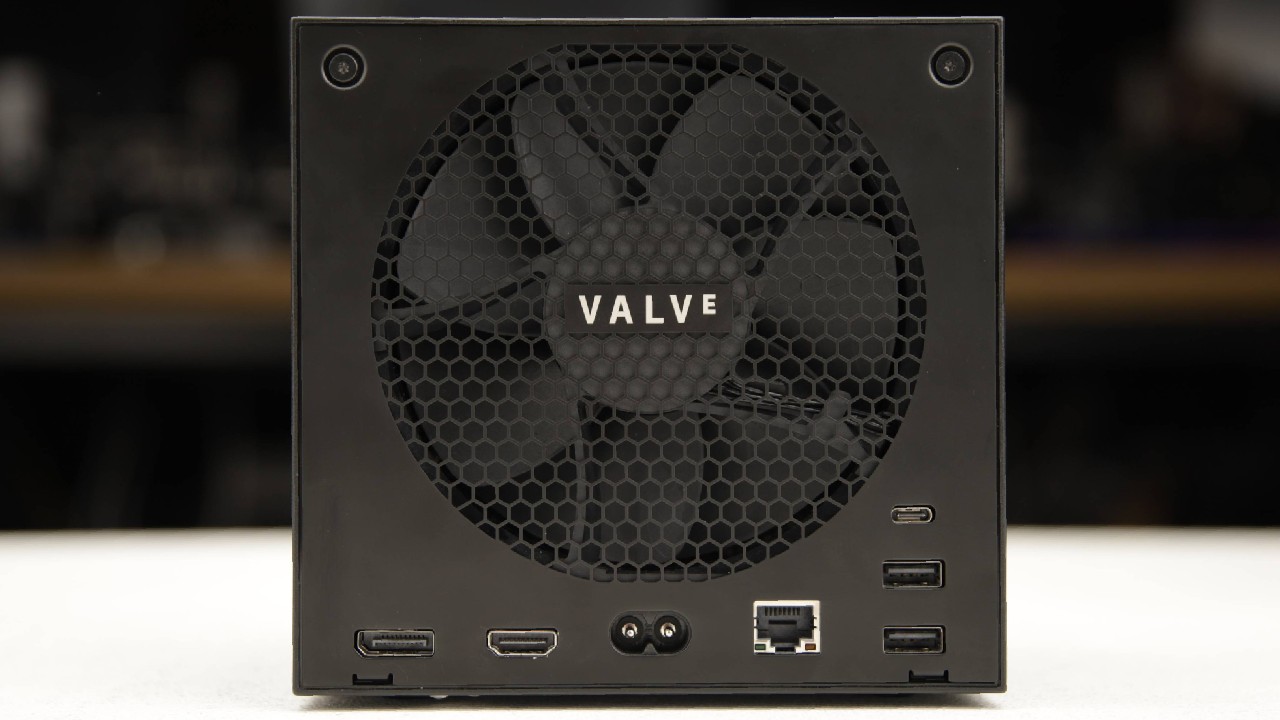
Industry experts are praising the technical achievements of this specialized configuration. It's complicated software design actually works surprisingly well under real-world conditions. The improved OS gives a smoother user experience than ever before. This, combined with great frame pacing, means gameplay remains consistently smooth across a wide variety of games.
Amazing software engineering seems to violate the laws of physics.
Better memory management also helps translation layers a lot. Internal resource management is perfect. There are built-in protections from crashing. If users accidentally push graphics past available memory, the system survives. Performance slows down temporarily, but the core infrastructure remains fully functional. This performance represents phenomenal engineering by the development team.
While marketing materials claim this machine runs six times faster than standard portables, which hold up during targeted benchmark tests, real-world independent testing shows its true physical limits. The system handles graphics-heavy titles well enough, but it noticeably lags behind in terms of raw processing power.
The huge price gap puts the hardware limitations in perspective relative to the established consoles.
Results are different when comparing hardware to a standard PlayStation 5. The performance indicators are much closer than what you would expect for modern hardware releases. Consumers must weigh this reality carefully before making definitive purchasing decisions. A machine years newer, costing twice as much, trades punches with older hardware.
Advocates will argue for the specifications, noting that the machine utilizes newer processing units. The device possesses a newer architecture in that department for power efficiency. That advantage remains measurable, offering smoother lows, but isn't transformational. Benchmark data proves it does not double the performance of older consoles.
A retail price of $1,000 represents a massive jump, essentially doubling the cost of a standard system. For that kind of premium, consumers naturally expect an absolute performance massacre across every title. A price tag that high demands a level of power that makes competing systems look entirely ancient by comparison. Instead, buyers are left paying premium prices usually reserved for flagship smartphones, without the undeniable leap in value to match.
The fixed hardware configurations restrict the long-term viability in a changing marketplace.
Users pay steep premiums only to watch older devices keep pace. The engineering team deserves massive credit for performing miracles with this project. Ultimately, they are polishing bronze and asking people to pay gold. This financial imbalance brings analysis directly to the flawed value proposition. The machine does not just compete against console manufacturers in isolation.
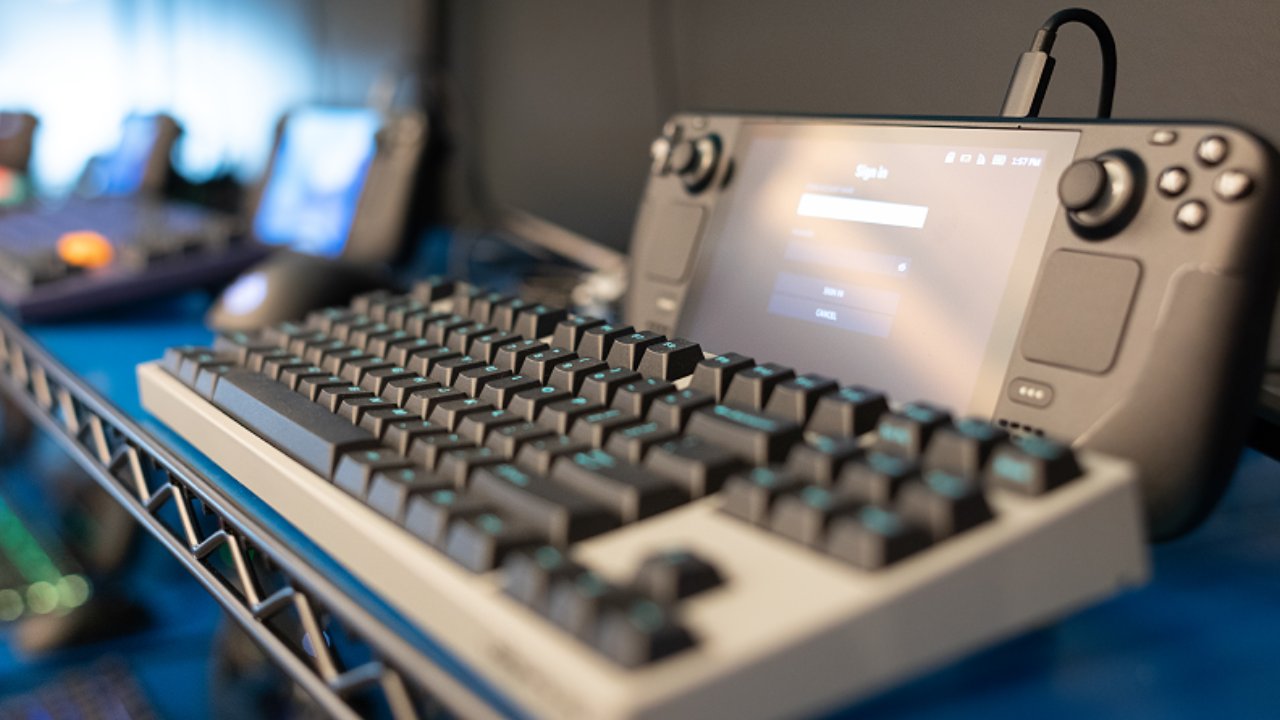
That comparison becomes less significant when analyzing the broader, rapidly evolving marketplace. It is a direct rival of desktops, laptops, PCs, and portable systems. Every consumer looking at the price tag asks the same question.
Buyers expect generational leaps rather than respectable hardware tweaks for $1,000. Worse still, this unit features fixed hardware that cannot be modified. Users cannot swap in faster graphics cards as demand increases. This inflexibility severely hurts the long-term viability for core gamers.
Future component releases accelerate the obsolescence of premium fixed devices.
Purchasers remain stuck with exact hardware specifications for the entire lifespan. Meanwhile, desktop gamers spend fractions of that money on new cards. That simple upgrade let PC users break away from fixed systems. Today's desktop components are ahead; tomorrow's hardware ages. You have to go to a whole different place for real leaps from generation to generation.
True innovation happens when hardware and software line up perfectly, but this version misses the mark. While the engineering is impressive, the price tag makes it a tough sell. Only hardcore enthusiasts will be able to justify the cost, given the limitations, because for the average gamer, the steep premium outweighs the clever software fixes.
Ultimately, it proves you can only optimize around hardware constraints so far, leaving it with an uphill battle against alternative gaming setups.
Editor, NoobFeed
Related News
No Data.