
The Elder Scrolls 6 Enters Heavy Development as Hammerfell Rumors and Starfield Concerns Grow
After eight years of silence, new developer comments, persistent leaks, and shifting Bethesda priorities suggest the long-awaited RPG is finally moving forward, but cautious optimism is replacing blind hype.
News by Mahi Araf on Apr 21, 2026
There’s really no other way to describe it. The Elder Scrolls 6 has turned into one of the strangest major game announcements in modern gaming. It was revealed so long ago that, since that brief teaser appeared, you’ve seen people switch careers, relocate, start families, or even step away from gaming entirely. Eight years later, you still haven’t seen real gameplay, a proper trailer, a deep dive, a release date, or even a clear idea of what the game actually looks like. For a franchise this significant, that level of silence stands out.
Now, after years of almost nothing, you’re finally starting to see small but meaningful signs. A few leaks, developer comments, and subtle teases are beginning to surface, suggesting the game is at least entering a more serious stage. That shift alone is enough to bring attention back, especially because The Elder Scrolls isn’t just another series.
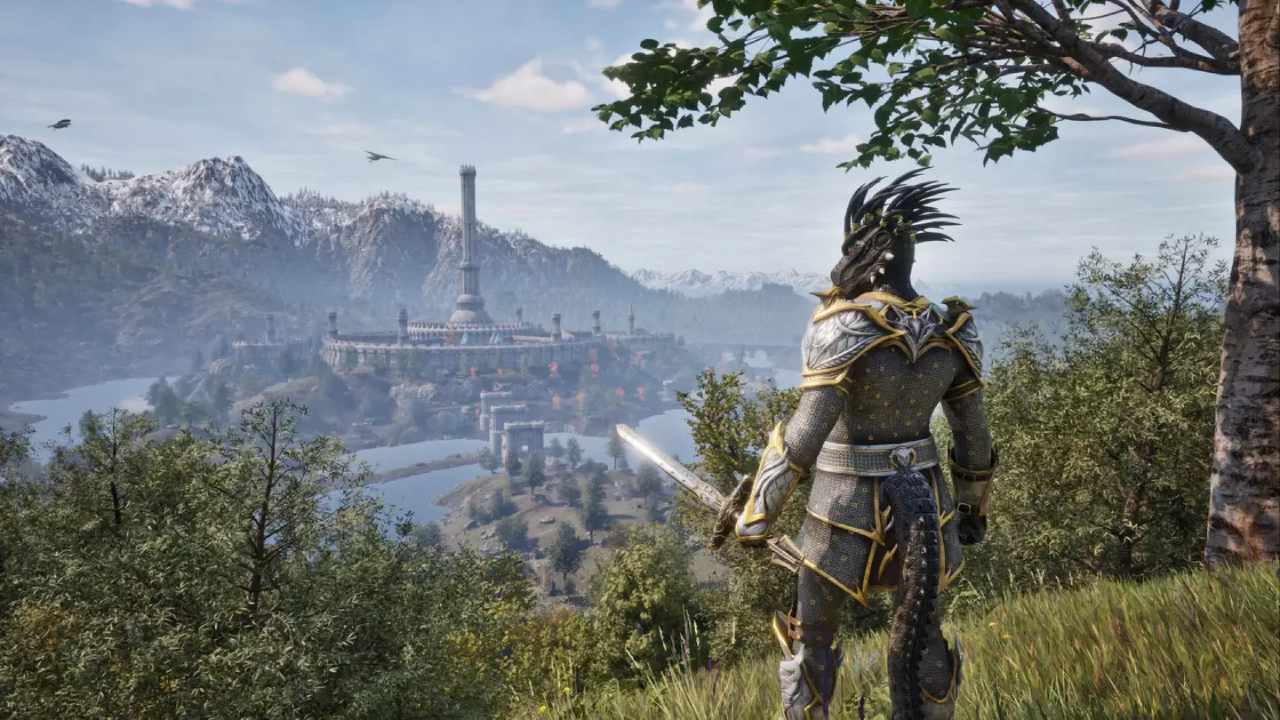
Skyrim became one of the biggest RPGs ever made and reached far beyond the usual fantasy audience. You saw players who had never touched fantasy games spend hundreds of hours exploring its world. It grew into something much bigger than expected, and following up a game like that automatically creates massive expectations.
When you wait this long, those expectations only grow heavier.
Recently, some Bethesda developers confirmed that work on the game is actively happening, with part of the studio focused on it right now. At the same time, much of the team appears to be handling Fallout-related projects, especially with renewed attention from the television adaptation and other ongoing work. Even so, it sounds like a group of developers has been quietly building the next Elder Scrolls in the background.
Todd Howard also spoke more openly about the project, and one of the biggest takeaways was his admission that he would have preferred not to announce the game so early. Back then, Bethesda likely revealed it to reassure fans while the studio focused on Starfield and other projects.
But the downside of that decision has been years of frustration, jokes, impatience, and a game that almost feels mythical at this point. Hype doesn’t last forever, and when a game stays silent too long, you stop imagining greatness and start thinking about potential problems instead.
Over time, questions naturally build. You begin wondering whether development is difficult, whether the vision has changed, whether the engine is struggling, or whether the release is still far away. Those concerns grow when a studio remains quiet for years. What’s interesting now is that the language around The Elder Scrolls 6 is starting to shift.
Instead of feeling like a distant concept, it sounds more like an active production that Bethesda is slowly moving toward as Starfield continues to receive support.
Recent interviews suggest the game has been in full production for a while, with Bethesda talking about upgraded versions of its Creation Engine being developed specifically for this project. That signals real development momentum rather than early planning.
Alongside that, long-running rumors are becoming harder to ignore. The most consistent speculation places the setting in Hammerfell, possibly alongside High Rock. Community discoveries, developer hints, and older concept material have all helped to support this idea by pointing in the same direction.

Hammerfell would separate the game from Skyrim’s snowy identity while staying grounded in familiar Elder Scrolls lore. Some rumors also suggest naval travel, particularly around the Iliac Bay between Hammerfell and High Rock. That idea has existed for years, but Starfield’s systems have made people think Bethesda might reuse some of that design experience in a fantasy setting.
Sailing between coastal cities, islands, and faction-controlled regions fits the geography and could expand exploration in a meaningful way.
There are also ongoing whispers about factions being rebuilt from the ground up. Skyrim’s factions were memorable but often followed straightforward paths. The rumors suggest Bethesda wants to return to deeper role-playing mechanics, where joining one faction meaningfully changes how other groups respond to you. While nothing is confirmed, comments from developers and insiders point toward a more reactive system.
Technically, the biggest shift appears to be the evolution of Bethesda’s engine. The studio has confirmed it is heavily iterating on Creation Engine technology, focusing on world loading, environmental detail, and how gameplay systems interact. The implication is clear. Starfield exposed certain weaknesses, and The Elder Scrolls 6 is expected to demonstrate that those lessons were learned.
Starfield wasn't a flop, but it didn't change culture like Skyrim did. People were more upset about how well the plan was put into action than how big it was. Players said that procedural environments, limited handcrafted discovery, and exploration that didn't always reward curiosity were issues. That feedback has changed how people feel about Elder Scrolls 6.
Rumors about cities that are denser, have more hand-made areas, and have fewer empty spaces seem to be direct answers to those complaints.
One thing that stands out is how quiet the project has stayed. Compared to earlier Bethesda games, where early builds or screenshots often leaked, The Elder Scrolls 6 has stayed unusually contained. That could suggest tighter internal controls or simply that development hasn’t progressed far enough for widespread leaks.
Despite all of this, there’s still no clear release window. Most credible hints still place it far into the future. On one hand, the game is real, actively being developed, and slowly becoming a priority again. On the other, years of silence and a changing reputation have made players more cautious.
Rumors about Hammerfell, naval travel, and deeper faction systems all sound promising, but none of it truly matters until you see the game in motion. Right now, The Elder Scrolls 6 exists in a space between memory and expectation. You already know what you want it to feel like.
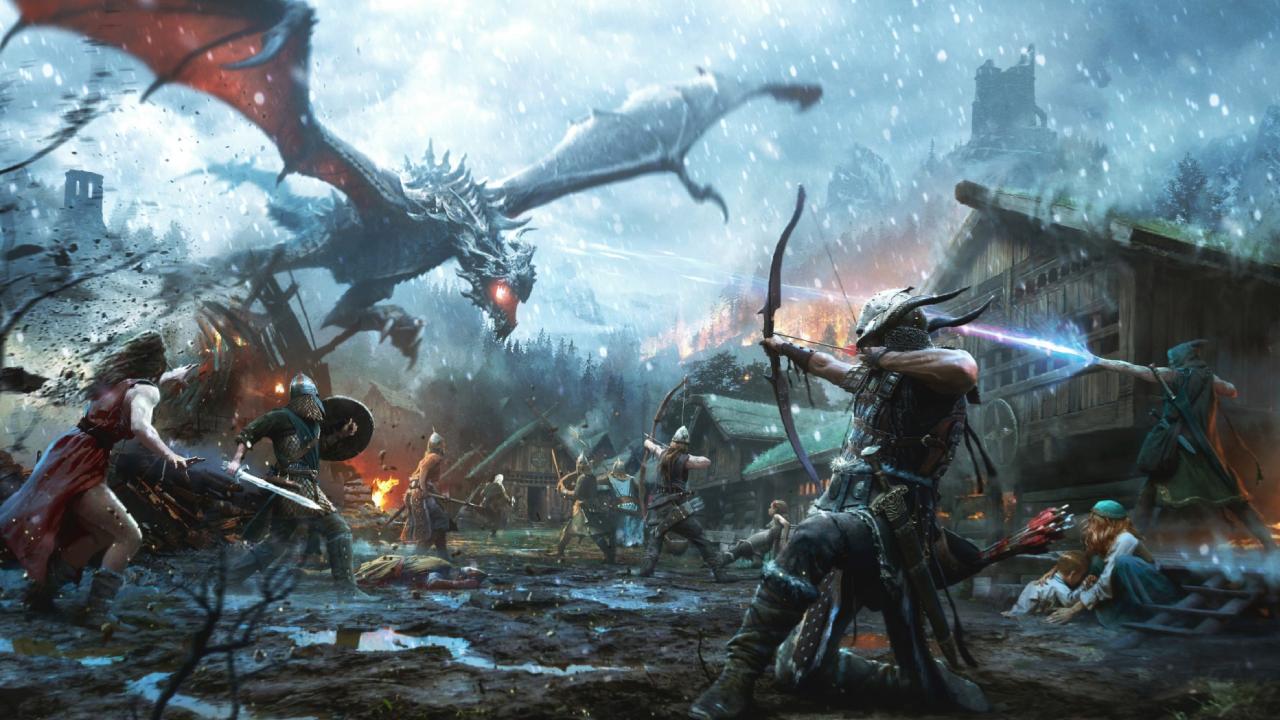
The real challenge is whether Bethesda can deliver that experience in a modern form without losing what made the series special.
That’s where things currently stand. Not pure excitement and not disappointment either, but a careful level of attention. People haven’t stopped caring. Instead, recent patterns have made blind hype feel risky. The timing plays a role as well. The game was announced in 2018 when it clearly wasn’t close to release. Since then, Bethesda launched Starfield, spent years supporting it, and only recently began speaking more openly about what comes next.
This overlap often leads to shifting priorities and systems being rebuilt multiple times. That doesn’t guarantee a negative outcome, but it does increase uncertainty. The Starfield effect also remains fresh. While not a failure, it didn’t land as the generational RPG many expected. Players struggled with its exploration structure and procedural repetition, which directly influences how Elder Scrolls 6 is being discussed.
Now, when you hear about large-scale world generation or procedural tools, the reaction isn’t immediate excitement. Instead, it’s cautious skepticism. That shift didn’t exist after Skyrim. It exists now, and it shapes expectations as Bethesda slowly moves toward revealing what The Elder Scrolls 6 will ultimately become.
Senior Editor, NoobFeed
Related News
No Data.