
Valve Eases Steam Machine Verified Standards as Pricing Remains Uncertain
New verification rules suggest console-like simplicity, while debates continue around pricing, memory specs, and long-term value.
News by Nami Tanaka on Jan 16, 2026
Once more, everyone is talking about Valve's future Steam Machine. This time, people aren't talking about big promises as much as about how easy the platform might be for both developers and players. According to new information, obtaining the Steam Machine Verified status will likely require fewer requirements than obtaining the Steam Deck Verified status.
These changes could make it easier for more people to support and use the feature. However, the lack of clarity surrounding pricing and specs continues to fuel discussion. Estimates are all over the place, and people have different thoughts on whether Valve can find the best balance between power, price, and usability. The biggest question is still the price.
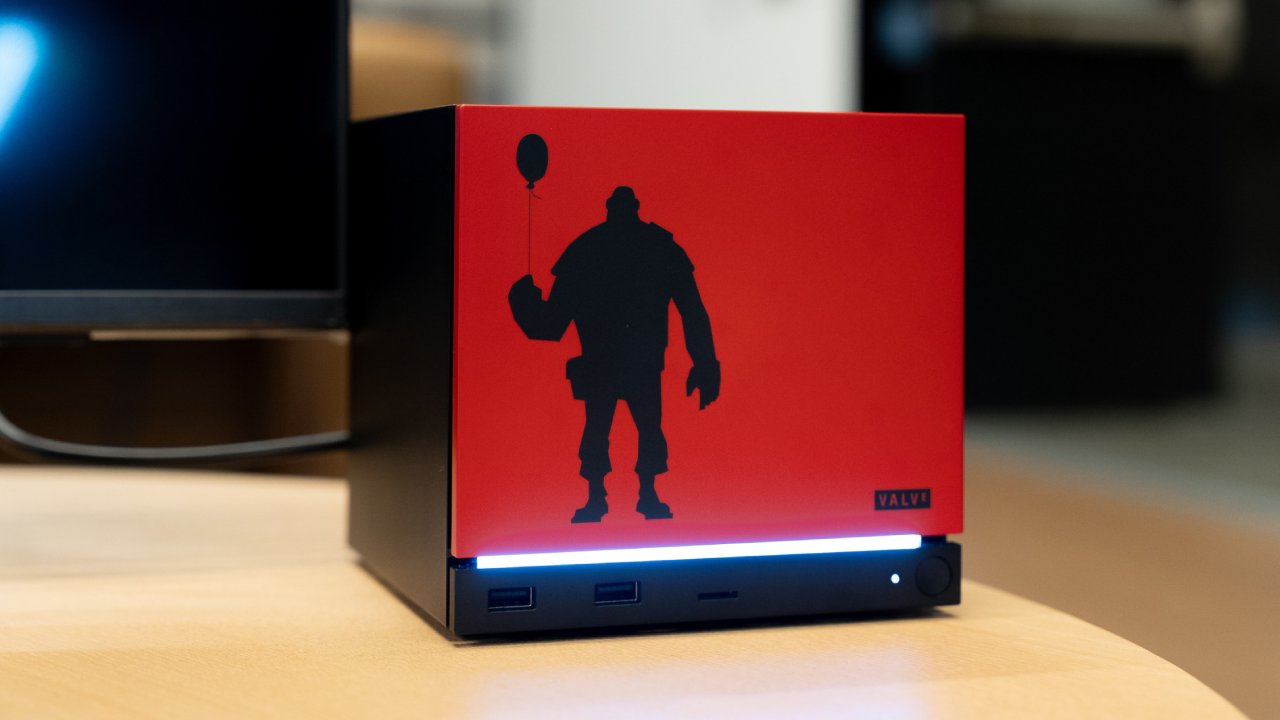
At the moment, people have a wide range of ideas about how much the Steam Machine will cost.
Some think it will be around $600, while others think it could be more than $1,000. Just seeing that gap shows how unclear things still are. The gear being talked about is not cheap by nature; that much we know. It is said that the machine will have 16 GB of DDR5 system memory and 8 GB of VRAM.
Those specs make you raise an eyebrow right away, especially when you consider how expensive RAM has become and how much they already cost compared to current-generation systems. One of the most talked-about features so far is the 8 GB of VRAM. Many players and developers in the PC game world today say that 12 GB is a good minimum, and some high-end graphics cards can go much further than that.
Still, it's not clear if that extra VRAM is really needed just for games. It's hard to say that most games really need huge amounts of VRAM unless you're doing professional-level work or creative projects that take a lot of time. In this light, 8 GB might be a better limit than it seems at first, especially if makers are told to make their apps work better with those limits in mind.
The way Valve does things here could have a bigger effect.
If the Steam Machine becomes a real goal platform, it may quietly push game developers to optimize their games. Many PC gamers who don't have top-of-the-line GPUs could benefit from starting with 8 GB of VRAM when designing. We might see better speed on all systems, not just Valve's. This includes older or mid-range systems as well.
Lawrence Yang, a creator at Valve, says that developers who want the Steam Machine Verified badge will face fewer rules than those seeking the Steam Deck Verified badge. A simple rule of thumb says that if a game is already verified on Steam Deck, it will also be verified on Steam Machine. It's important to think about what you say. It immediately makes it easier for creators to make games that work with it, and many games will be compatible from the start.
Without a doubt, there are some cases. It's not a surprise that virtual reality games will have their own verification method. VR brings its own problems, especially if the Steam Machine is sold as a device that can do everything and also work with VR gear. Whether players buy these parts together or separately, VR support is more complex and requires additional checks. In any case, the process seems surprisingly simple for classic games.
Taking a look at how well the Steam Deck works with this move helps explain why Valve is making it. Verification of the Steam Deck is based on a few specific factors, such as whether all features work with the default controller setup, whether the game shows the right controller icons, whether text can be read on the handheld screen, and whether the default graphics settings work well on the device.
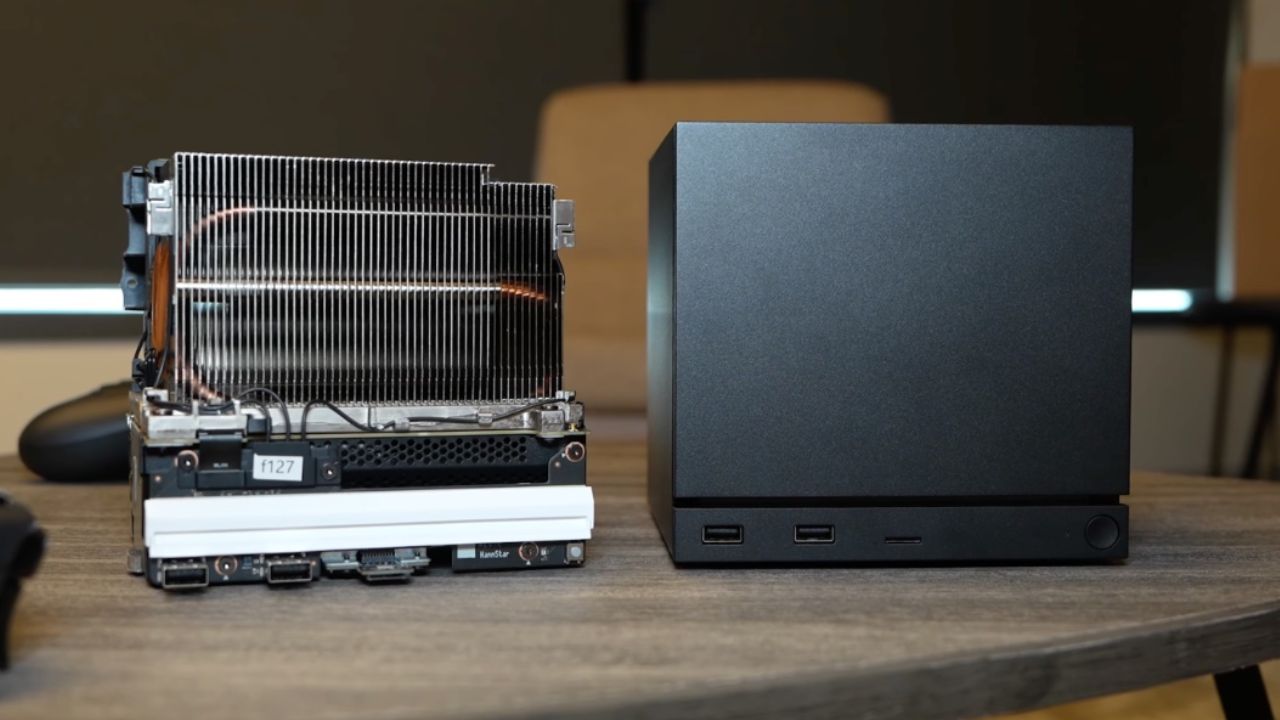
There are many checks that depend on the built-in screen and the Steam Deck's set resolution.
But the Steam Machine solves all those problems. You can't see it at a normal distance, and the screen doesn't have a fixed resolution. It works with many different monitors and TVs, so make sure you plug it into the right one.
Text size, UI scaling, and resolution are no longer the developer's responsibility; they are handled by the user. That's why it makes sense for Valve to loosen those requirements and instead check whether the game works as intended and runs well.
Valve says the Steam Machine is about 8 times as powerful as the Steam Deck.
If what that claim says is true, then any game that works well on the Deck should also work well on the Steam Machine. This difference in speed supports the idea that Steam Deck verification can serve as a starting point. We think it's a smart and effective way to ensure compatibility without adding more work for writers.
That doesn't mean that standards go away completely. For a game to earn the Steam Machine Verified badge, it still needs to work properly. Native 4K at 60 frames per second won't be required. It's likely that upscaling technologies like FSR will work, and even smaller goals like 1080p at 30 or 60 frames per second might be enough. The goal isn't to achieve perfect technical results but to ensure a smooth, effective experience.
The most important thing is that the game must work on a computer with 8 GB of VRAM. That one limitation could have a real impact on optimization decisions. If devs aim for that goal, players with GPUs about the same age or a little older may also see better performance. In this way, the Steam Machine might indirectly help PC gamers, even if those gamers never buy the gear themselves.
Verification also comes with a strong marketing motivation. Badges are important on Steam. A confirmed checkmark makes a game stand out, makes it easier to believe, and makes buyers want to buy it. Verification of the Steam Deck is already a big part of how games are sorted, pushed, and found. If verification for Steam Machines moves forward, makers will have a strong incentive to ensure their games meet those requirements.
From a player's perspective, this fits with the console-like experience Valve seems to want to achieve. You want to buy a game, download it, and play it right away, without having to change settings over and over again. That's exactly what the green check mark means. Users with more experience can still change speed settings if they want to, but verified games should work well right out of the box.
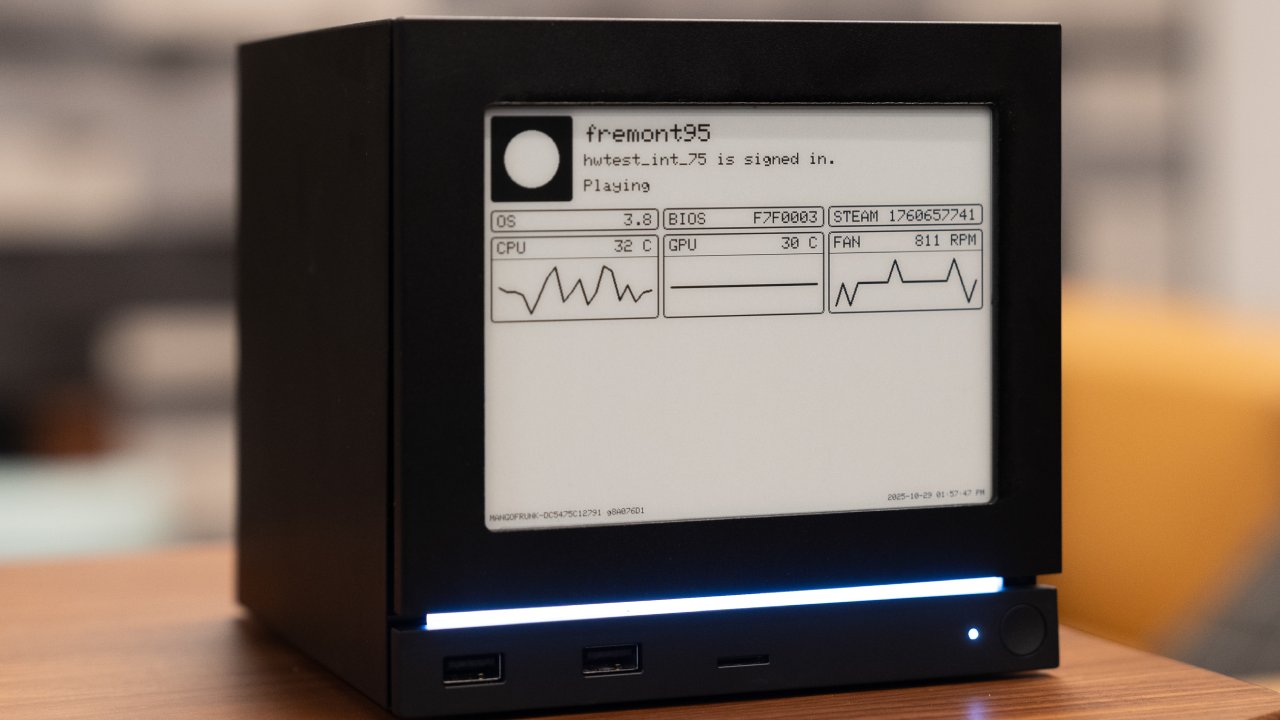
This strategy might help the Steam Machine find its own place in the market.
Valve may be able to attract players who like Steam's environment but would rather have a setup that works well in the living room by combining the flexibility of PCs with the simplicity of consoles. For you, that could mean a smoother experience without having to give up the huge Steam library.
In the end, everything comes down to price. If Valve can get the Steam Machine out there for around $600 to $700, it might be a good choice. It might be enough to stand out in a crowded market at that price point if it works well, helps with proof, and is easy to use. But if the price goes up too much, it might not be as appealing, especially since PCs and consoles are already strong competitors.
For now, the fact that verification standards have been loosened is a good sign. They say Valve is prioritizing ease of use, compatibility, and accessibility over strict technology standards. While we wait for the official price to be announced, the Steam Machine is becoming less about its raw numbers and more about how well all of its parts work together. If Valve follows through on their plan, you may soon have another great way to enjoy your Steam library with the least amount of trouble and the most comfort.
Moderator, NoobFeed
Related News
No Data.