
Altheia: The Wrath of Aferi Review
PC
Altheia: The Wrath of Aferi blends myth, morality, and RPG storytelling with choice-driven combat and narrative freedom.
Reviewed by Zahra Morshed on Aug 22, 2025
Altheia: The Wrath of Aferi arrives as a strikingly ambitious blend of myth and modern role-playing, developed by an indie studio, MarsLit Games, which has been steadily building a reputation for narrative-driven projects. The title comes from deep mythological roots and combines cultural references with a high-fantasy style. It's both an introduction to the new world and a statement of purpose that can be read on its own.
The developers have used hand-crafted artistry to try to make a story that doesn't just happen, but also questions how people see things. Unlike larger franchises that stretch across decades, Altheia: The Wrath of Aferi is fresh in its debut, giving it the advantage of narrative freedom, while simultaneously carrying the burden of proving itself in an oversaturated industry.
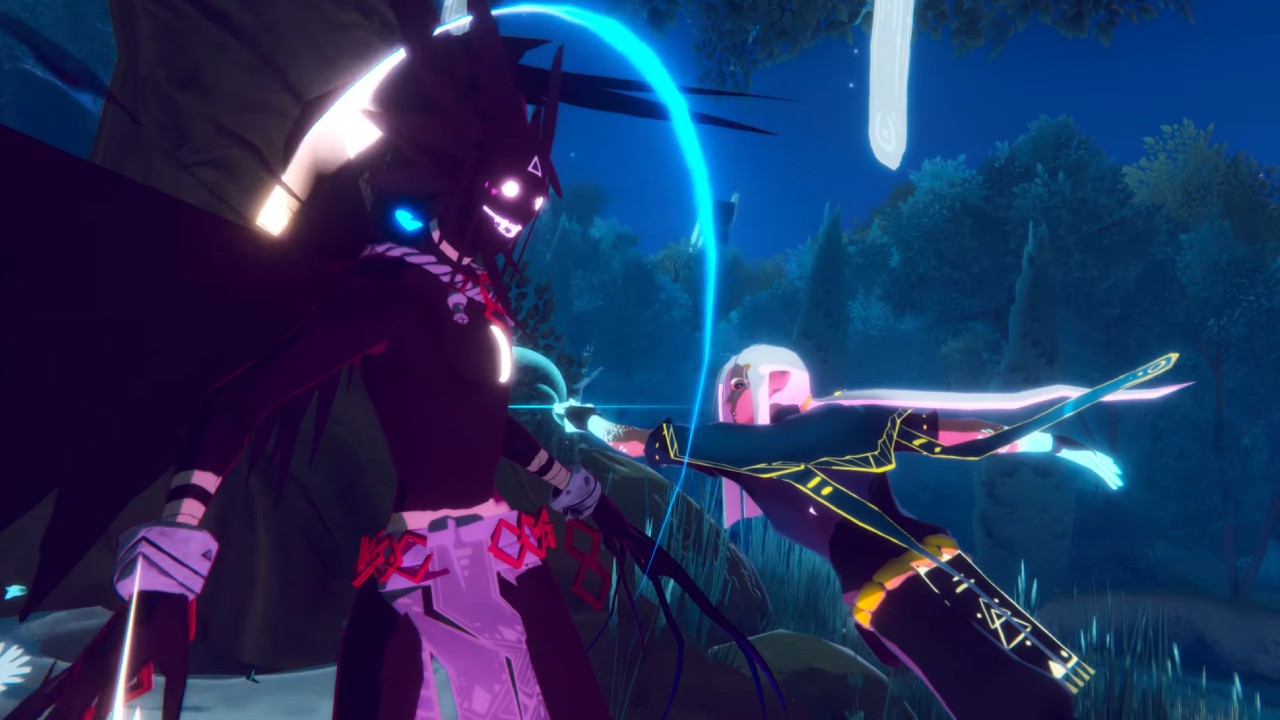
The narrative foundation of Altheia: The Wrath of Aferi lies in a world plagued by fractured divinity. You are thrown into a world where gods and humans clash, and every choice has a big impact. The main character of the game would have to discover the secrets of Aferi's wrath, a divine force that could destroy not only countries but also reality itself. The story has a good mix of big mythological stakes and small character arcs, which makes it more than just a showcase.
Altheia: The Wrath of Aferi is great because it's not afraid to explore moral uncertainty. The story here is more complex than in many fantasy RPGs, which rely on simple good vs. evil plots. Each action has a chain reaction that you must think through. Themes of betrayal, loyalty, and sacrifice give the narrative weight, and dialogue is written with maturity, capturing the cultural nuance of its mythological inspirations.
Where many games aim for universality and lose specificity, this one thrives by anchoring itself to a particular set of myths and moral dilemmas. The side quests aren't just fillers; they also give you a look into the world's society and beliefs. Smaller characters often show up in bigger stories, and the decisions people make in these situations have effects that are minor but important.
In this way, the story flows together and doesn't fall into the trap of having random filler material. The narrative design shows a clear understanding that your investment comes not only from large set pieces, but also from the smaller, personal stakes that gradually accumulate.
At its core, Altheia: The Wrath of Aferi employs third-person action RPG mechanics fused with choice-driven progression. Exploration is planned and meant to immerse you in a carefully crafted world, rather than just letting you walk around aimlessly. It's easy to move around, but fighting requires more than just reflexes because it involves planning. Not only do the choices you make affect how the story ends, but they also change how the game is played, how quests can branch, and how materials can be accessed.
One great thing about Altheia: The Wrath of Aferi is how it combines story-driven choices with linear progress. This game is not just about completing side quests. It is also about moral challenges that shape character growth and the development of the world. The story drives the features, making sure that the gameplay feels like a conversation with the story and not just a separate system. This combination of design and story makes the experience more cohesive than in many other RPGs, where story and gameplay are separated.
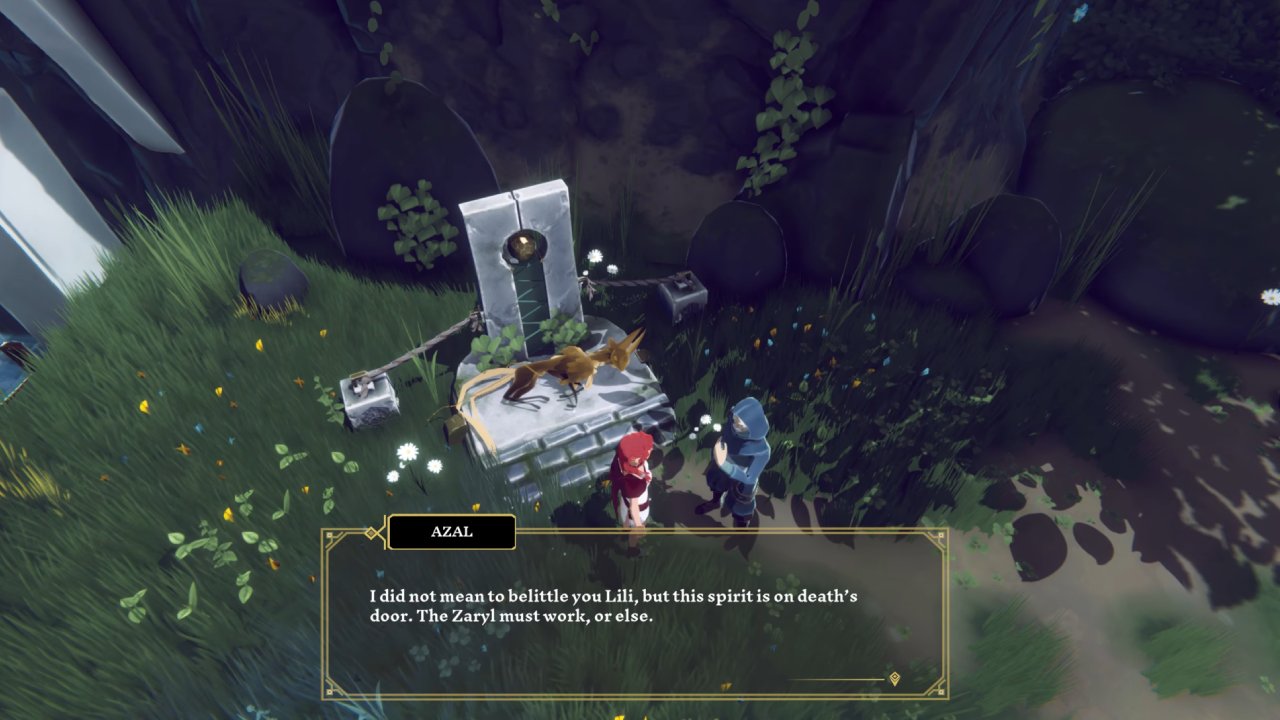
The game also rewards people who are interested in exploring. The world is full of hidden paths, forgotten ruins, and holy objects that reward you if you take your time and interact with them. Altheia: The Wrath of Aferi doesn't fill the map with a lot of icons; instead, it lets you find things on your own, which makes exploration feel satisfying instead of overwhelming.
This way of thinking is supported by user interface design, which uses clean, simple overlays that put the focus on engagement. There is progress tracking, but it never fills up the screen with too much data. This keeps your focus on the world. It is important to know how to fight strategically in Altheia: The Wrath of Aferi.
You can use both close-quarters weapons and magical skills connected to divine forces, which allows for a variety of play styles. Combat moves more slowly than in twitch-based RPGs on purpose so that you can plan and counterattack. Enemy encounters range from small skirmishes to bigger, almost puzzle-like battles against godlike foes, where it's important to know their patterns and take advantage of their flaws.
Combat isn't the only part of the puzzles; environmental tasks require you to observe and solve problems, and they often have lore built right into them. This makes sure that the problems don't feel like they were put there by a computer. The best thing about the fighting system is how well it works with the world. Every fight has a reason for happening, either because of the story or the setting. Especially boss fights are made to feel grand, and you need to know how they work and what's going on in the story to win them.
These meetings don't feel like separate problems; instead, they feel like natural peaks. But there are times when the pace of fighting doesn't feel right, especially during long battles where the enemy AI tends to repeat itself. Despite this, the layered design of abilities and mechanics offers enough flexibility to keep engagement high.
Puzzles are better, with a lot of different ways to connect with the environment and solve problems that are symbolic and have mythological themes. In some puzzles, you have to change divine symbols, and in others, you have to read clues in the surroundings. These tasks are never just extra work; they're meant to reinforce ideas about being wise, making sacrifices, and God's will. In this way, tasks are both a way to solve the game and tell a story, which helps you become more immersed in Altheia: The Wrath of Aferi's mythology.
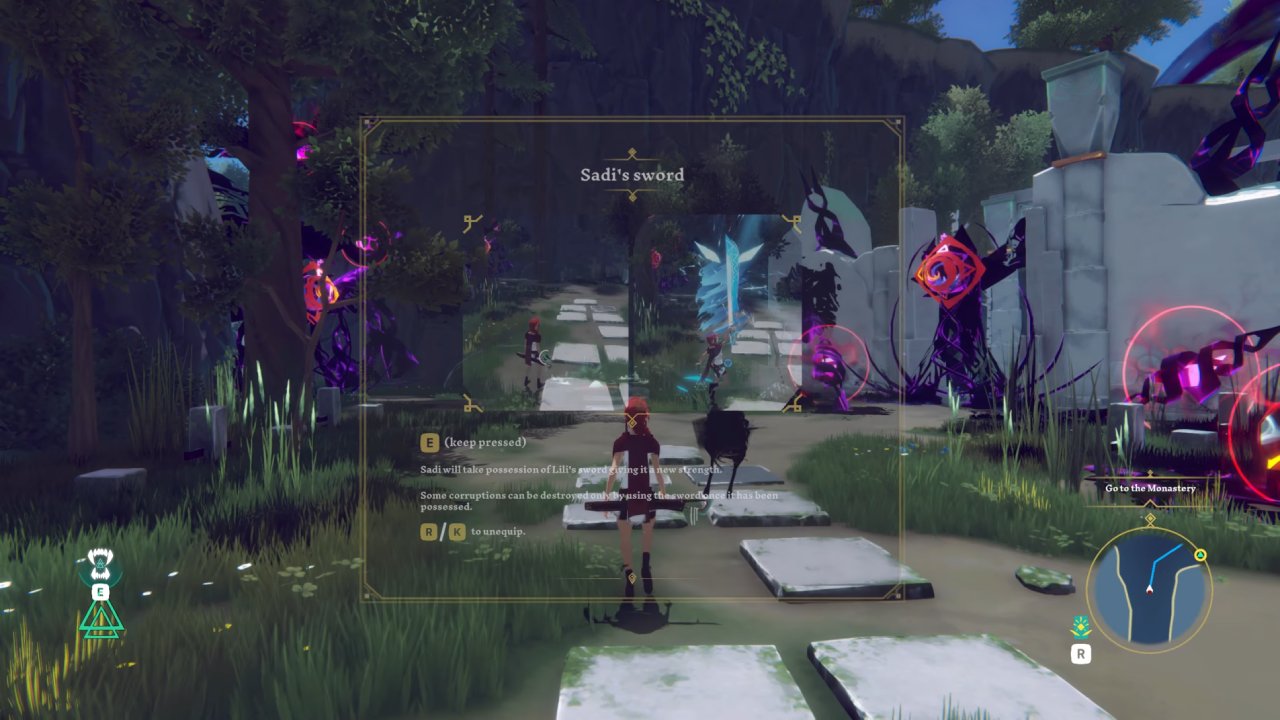
Altheia: The Wrath of Aferi moves slowly toward success. You can earn experience points by fighting and by exploring in a useful way. This makes sure that progress is tied to immersion rather than boring repetitive grinding. Skill trees are made so that you can choose what you want to specialize in, like combat, diplomacy, or divine powers.
The XP method is different because it is linked to story choices. By aligning with certain divine groups, you can get special skills, but ignoring others can lock away abilities for good. So, replayability is a natural result of the way the game was made. In many RPGs, grinding can feel like a chore, but Altheia: The Wrath of Aferi weaves grinding into the story so that progress never feels disconnected from the trip. You also have to plan because some resources are limited.
They have to choose where to spend points and which paths to take. It strikes a good mix between being easy to use and having a lot of options. It gives new players a simple way to get better while still letting diehard fans try out different builds. So, progression isn't just about getting better at the game; it's also about making sure your beliefs are in line with the game's ideas.
Altheia: The Wrath of Aferi is a work of art in terms of how it looks. Painterly landscapes and high-fidelity models are used together in the game to make a world that feels both alive and timeless. It really shines in its art direction, which focuses on dreamlike landscapes, divine buildings, and symbolic patterns. The color palette changes fluidly based on story beats, giving scenes emotional weight.
Technical performance is strong for an indie studio effort, with consistent frame rates and minimal texture pop-ins. However, occasional animation stiffness betrays the budget constraints. What the visuals achieve is immersion through identity rather than realism. Many fantasy RPGs aim for photorealism, but Altheia: The Wrath of Aferi chooses to look like a living myth, a storybook brought to motion.
Lighting is a particular strength, with divine encounters illuminated in surreal glows that give each event the sense of ritual significance. While the game does not reach the graphical fidelity of AAA blockbusters, it does not need to. Its art style is classic enough that it will still be interesting years after technology standards have changed.
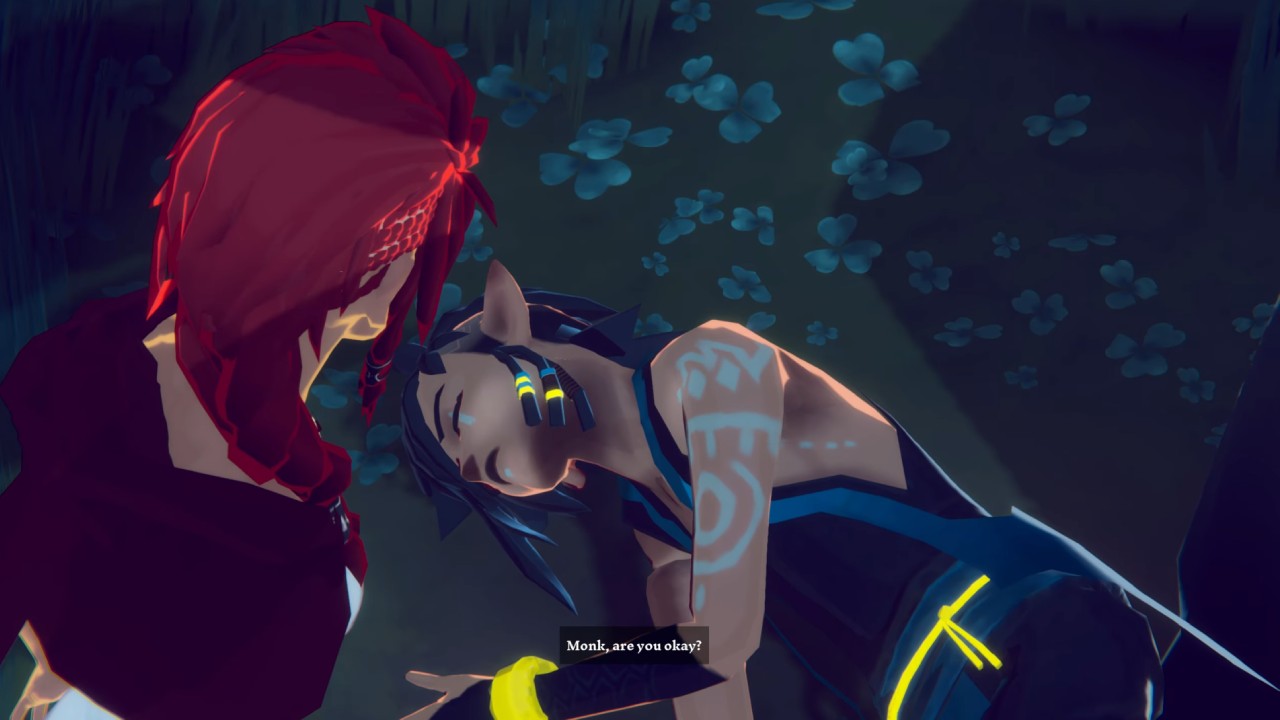
Altheia: The Wrath of Aferi has a very engaging sound design that combines orchestral pieces with instruments from other cultures that add to the game's mythological roots. During battles, the music becomes more important and intense, but during exploration, it becomes more ambient. Voice acting is limited, but it is done with passion, which makes important parts of the story more emotional.
Soundscapes of the environments are very detailed, with sounds like the echo of holy halls and the rustle of leaves in forgotten ruins that help you feel like you are in the world. It is essential to pay close attention to how sound affects the story choice. Aligning with certain groups changes song themes, which subtly reinforces the choices made in the story.
Small details, like the way divine objects resonate or how the tones of storms caused by Aferi's wrath change, make it feel even more like sound is an integral part of world-building. The fact that you often feel the weight of the story through both dialogue and soundscapes that evoke feeling is a testament to the design.
Altheia: The Wrath of Aferi is one of the few games that manages to be both ambitious with its story and mechanically sound. It gives you an experience where every part, from fighting to sound, fits into a single artistic idea.
It stands out in a market full of formulaic role-playing games because it isn't afraid to explore moral and mythological depth. There are some small problems with the speed of battle and the quality of the graphics, but the story, art direction, and use of choice-driven design make up for them.
The game also does a good job of balancing ease of use and depth. There is an easy starting place for people who are new to the genre, and people who have played a lot of narrative RPGs will enjoy the many choices and the ability to play again and again.
Altheia: The Wrath of Aferi is one of a kind because it is based on mythology, but what makes it really great is how well the story, gameplay, and art all work together. It's not so much about getting benefits as it is about getting lost in a myth that makes you think. The game feels really new in a year when the RPG market is full of updates and remasters.
It's brave enough to question the norms while also being solid enough to keep you interested from beginning to end. Its flaws show how ambitious it is, and that ambition is what will make it memorable. This game is great for people who want to be entertained and also feel involved with the story, ideas, and consequences.
Contributor, NoobFeed
Verdict
A myth-infused RPG that blends narrative depth with strategic combat, Altheia: The Wrath of Aferi delivers a bold, story-first experience that lingers long after the credits roll.
75
Related News
No Data.