
WUCHANG: Fallen Feathers Review
PlayStation 5
A grim journey that finds its wings in the endgame.
Reviewed by Azfar Rayan on Jul 24, 2025
Leenzee Games, a Chinese developer entering the competitive and challenging Soulslike genre, releases WUCHANG: Fallen Feathers as its first game. The game, which retails for $50 on Steam, first gained attention with a chic trailer that included gory battles and hideous monsters. Despite not being a sequel, it has the weight of ambition of creating a new intellectual property and making a big impression in a crowded field of titans.
You take on the role of Wuchang, a woman suffering from the enigmatic Feathering sickness, which turns humans into monstrous birds. In contrast to most, she not only endures it but also capitalizes on its strength instead of turning like many others.
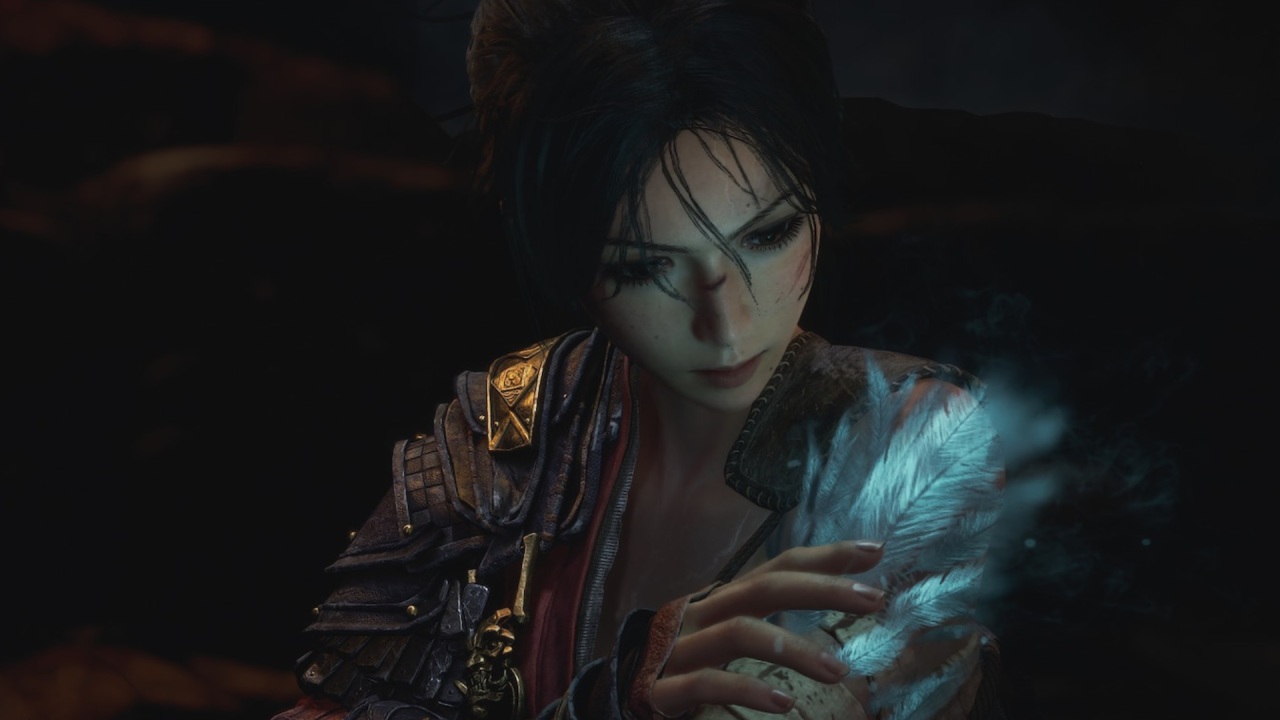
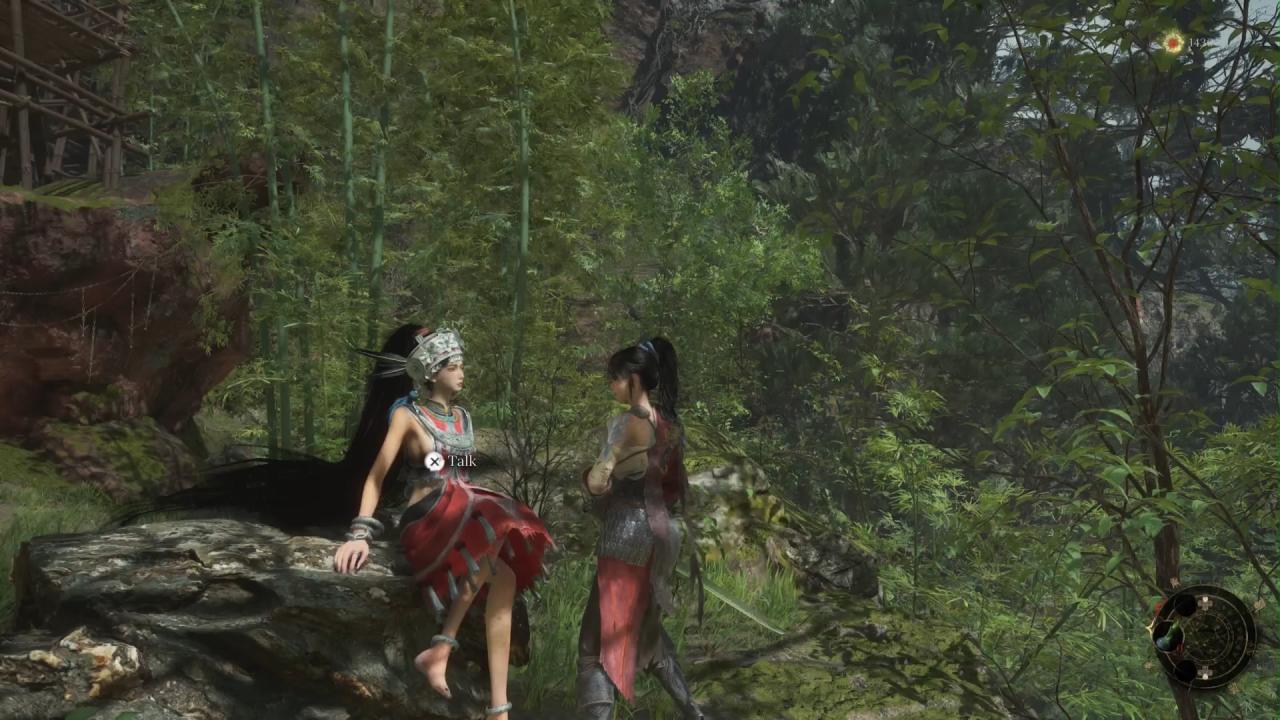
As you navigate moral decisions that lead to four distinct game endings, you embark on a quest of discovery to learn more about the Feathering's beginnings. Your encounters with NPCs will determine these results, and many of them will give you direct hints if you listen to their dialogue.
WUCHANG: Fallen Feathers' gameplay mainly relies on the classic Souls-like framework. You traverse linked but mostly linear levels chock-full of secrets, ambushes, and traps. The design makes extensive use of genre tropes, such as poison swamps, burning towns, woodlands, and cold areas that cause environmental damage.
The game has secret passageways, shortcut discoveries, and riddle-based doors to keep things interesting even though exploration is simple. Shrine checkpoints let you track NPC side quests, enhance your skills, and fast travel, but they don't always tell you when it's best to advance those quests.
With five main weapon types: longswords, dual blades, halberds/axes, one-handed swords, and spears, WUCHANG: Fallen Feathers offers quick and adaptable combat. Every weapon has a unique tree of talents and disciplines and plays differently. Dual blades have a special "clash" mechanism that allows you to phase through enemy attacks, while longswords emphasize patience and parrying.
Axes prioritize raw damage and poise. With its aggressive spellcasting that keeps you from lazily spamming from the sidelines, Magic is also a powerful choice. The two schools of spells are Magic and Feathering. One allows you to cast spells through Skyborn Might charges with Magic, the other increases your weapon's magic potential through Feathering.
The option to respec at any shrine, which allows you to change your whole build at any time, is a noteworthy feature. Want to use a halberd in the middle of a dungeon instead of your dual blades? No issue. In order to invest in different skill trees, one for each type of weapon, plus others for spells and general upgrades, you must first gather Red Mercury, which you may then refine to level up.
The skill trees unlock disciplines, which are combat skills unique to a given weapon, and rely on your base stats. In order to add even more personalization, you can also equip pendants for buffs and affix benedictions to weapons, much like you would with Diablo's runes.
Combat gains complexity thanks to the Skyborn Might system. You gain charges of Skyborn Might as you hit, parry, and evade, which improves your fighting skills. This resource is used up by spells, strong assaults, and disciplines; therefore, efficiency and timing are essential.
Madness is another important mechanic that increases if you kill humoids or die, but will decrease slightly when killing monsters. While hitting maximum Madness increases your damage, it also increases how much damage you take. When you die at maximum Madness, you have to face your inner demon in order to recover your experience and reset your Madness. Although this technique is intriguing in theory, it becomes annoying during boss fights and makes repeated tries more severe.
WUCHANG: Fallen Feathers can be tedious in the early-game. In certain instances, such as when it urges you to parry with a weapon that is incapable of parrying, the game fails to adequately explain its mechanics. Because of the uneven lesson design, early bosses may turn into obstacles.
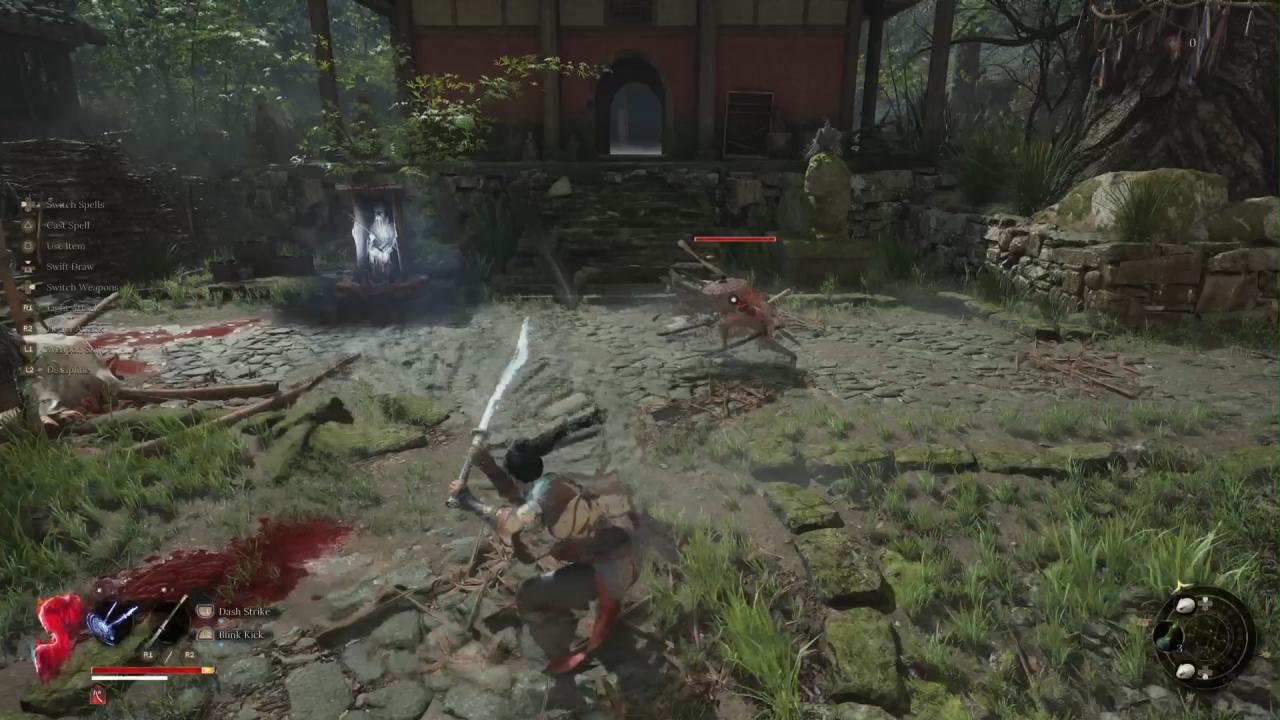
But the experience is significantly enhanced by New Game+. Your now-expanded armament enables you to melt enemies because enemy damage scales, but their health does not. On the second and third runs, the system becomes much more accessible. Combat disciplines thrive, spells become practical, and trying out different builds becomes truly enjoyable.
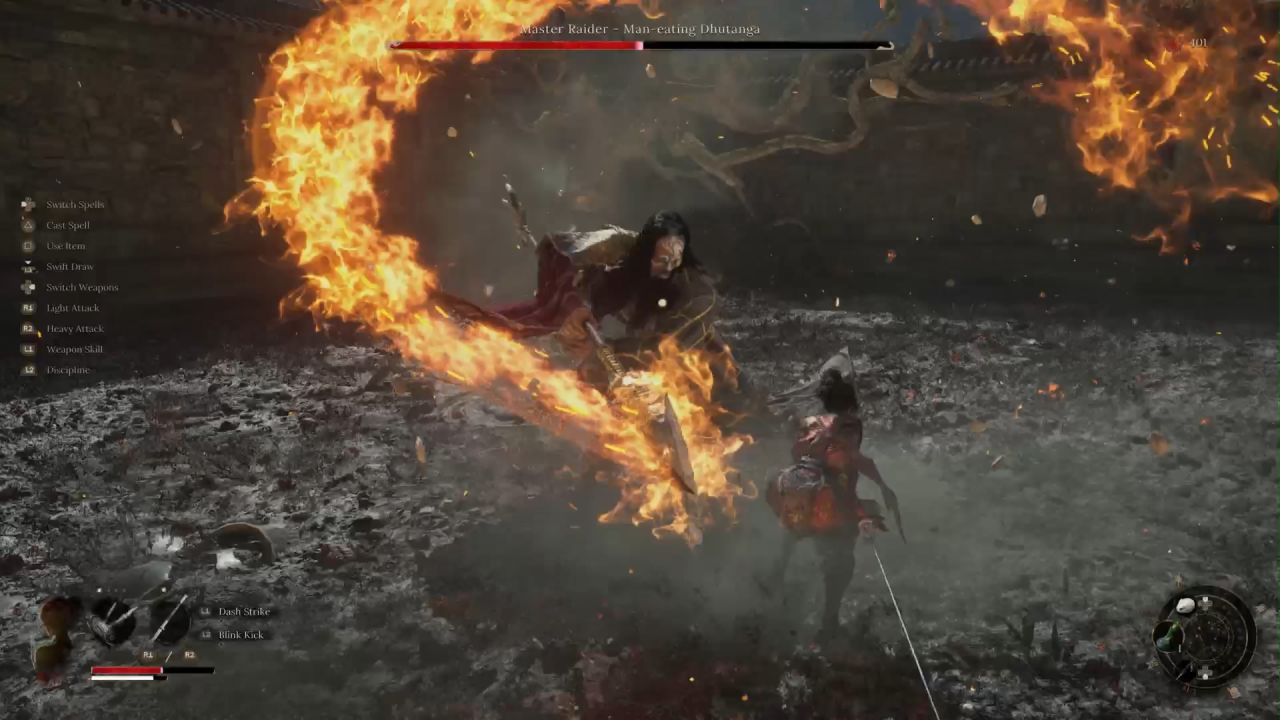
Enemy designs range from horrific, corruption-infested animals to humanoid enemies that you can stun with charged back blows. Highlights include bosses, many of which have interesting designs and special mechanisms. Some are blatantly harsh at first, but as you figure out their patterns, they become rewarding.
After several tries, one late-game boss transformed from an insurmountable horror to a rewarding no-hit victory. Not all bosses, though, experience the same sensation of advancement. During the review phase, an update was made to address some of the issues caused by bad camera angles, especially in confined spaces.
Another strong point is gear progression. Other sets of armor provide resistances specific to various elemental threats, such as stab, blight, corruption, and slash, but the base armor set remains functional throughout the game. You may switch up your appearance without compromising your stats because you can easily 'transmog' your armor.
You'll need to switch up your equipment frequently to account for resistance as you confront diverse terrain, such as a swamp infested with blight or a valley covered in frost. Additionally, weapons and pendants change as a result of New Game+ cycles and upgrades.
WUCHANG: Fallen Feathers has a good but unremarkable world design. The level patterns promote exploration through contextual storytelling and shortcut unlocking, and each section eventually loops back into itself.
There will be hidden bridges and doors that can only be opened from one side, along with other surprises that seem straight out of the Souls-like playbook. While certain sections are exquisitely designed, others get boring because of status effects and difficult-to-find routes. Dropping off a ledge and skipping a whole level to get to a boss early was one of the most memorable moments.
Side quests are important since they frequently influence the plot and grant access to special objects or bosses. They are difficult to finish correctly, and your actions can have a variety of consequences.
The game doesn't always make it clear when it's appropriate to move a quest along, even when it provides cues when an NPC has something to say. Given how difficult and punishing side quests can be, it feels like a lost opportunity that there isn't a trophy directly linked to finishing them. Powerful weapons and unique bosses can even be obtained through some side quests.
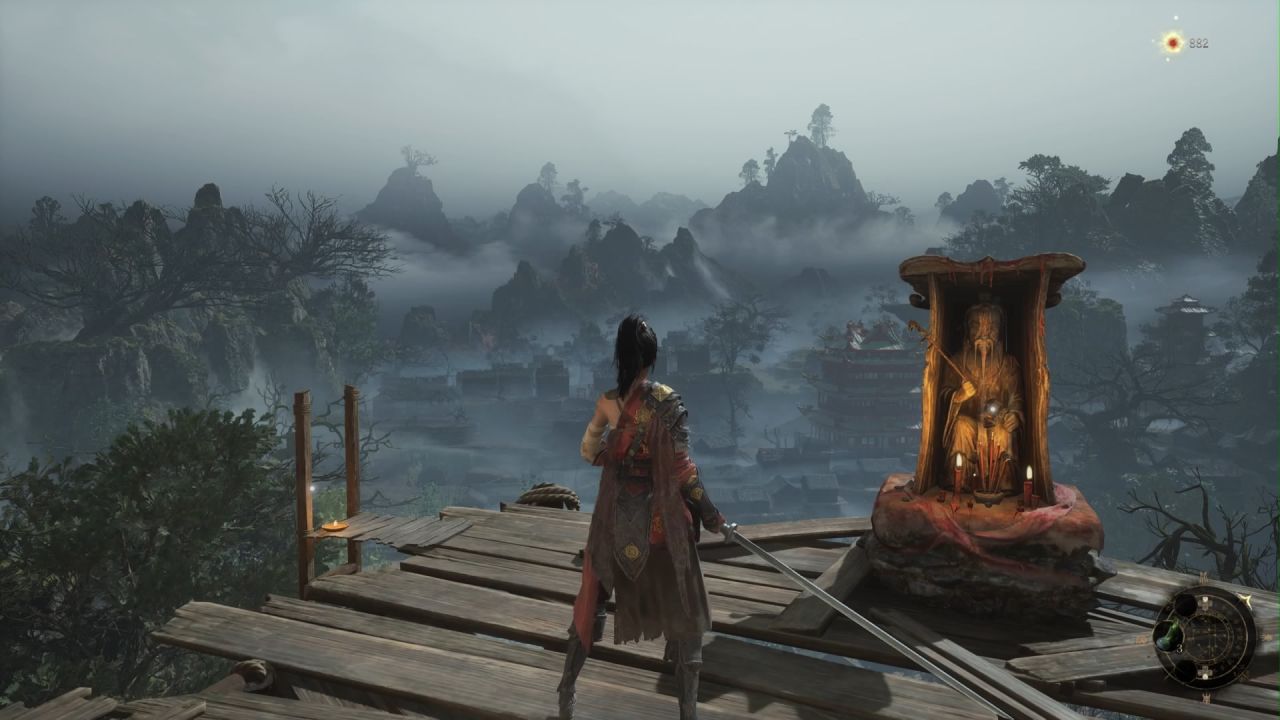
WUCHANG: Fallen Feathers' art direction is impressive from a graphic standpoint. Corrupted forests, eerie temples, frozen summits, and flaming towns are all depicted in terrible realism, and the visual aesthetic flawlessly reflects the dark fantasy tone.
Character designs are striking, particularly those of the terrifying bosses and enemies. On PC, performance is mostly steady; however, there are sporadic frozen moments while the game loads or catches up. The inability to properly rebind keys, which is disappointing for a PC version, is one grievance.
Although serviceable, sound design is not outstanding. The majority of the music tends to fade into the background, with only two boss pieces standing out. It doesn't improve the gameplay; it just supports it.
The atmosphere helps sell the scenario, spells have a solid impact, and combat sounds are clear. Nevertheless, it doesn't have the recognizable soundtrack that distinguishes the best films in the genre.
WUCHANG: Fallen Feathers provides a solid 30 to 40 hours for a typical run, and more for those who are New Game+ players or completionists. The most challenging gameplay will be your first one, particularly if you're not familiar with its mechanics.
However, the game becomes much more fluid once you comprehend Skyborn Might, Madness, and construct synergy. Some bosses can take more than a dozen tries to defeat, and difficulty spikes are real.
There are some gains in quality of life. A minor but useful aspect is that you don't lose stamina when running when there are no attackers in your immediate vicinity. You only get four item slots in the game, though.
There are usually only two situational tools: one for healing and another for temper-boosting abilities like leech. This can feel restrictive, particularly in communities that are heavily reliant on status. The gameplay would be smoother if these spaces were expanded.
WUCHANG: Fallen Feathers, the more time you spend playing, the better it becomes. Deep customization, interesting combat, and a fulfilling New Game Plus loop make up for its early mistakes with ambiguous rules and annoying features like Madness.
Although it doesn't revolutionize the genre, it's a good, marginally better entry that merits your consideration. For $50, it offers enough quality and content to make the purchase worthwhile, particularly for players who like hard boss battles and methodical exploration.
Senior Editor, NoobFeed
Verdict
Those who persevere through WUCHANG: Fallen Feathers' early hiccups with clumsy mechanics and ambiguous systems will discover a rich, fulfilling Soulslike that excels in its New Game Plus and adaptable combat.
75
Related News
No Data.